The Evolution of Digital Asset Sovereignty and Federal Oversight
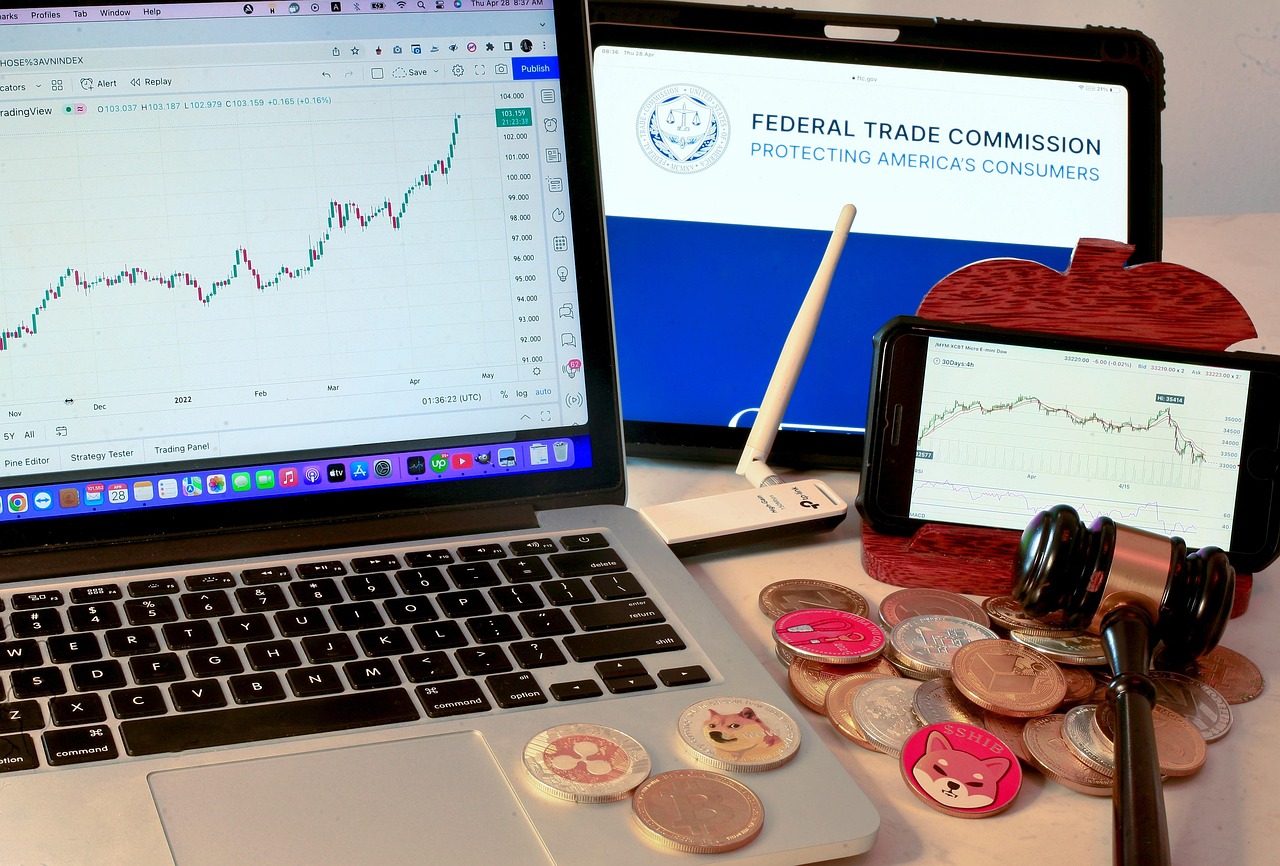
The landscape of digital asset regulation in the United States is undergoing a fundamental transformation, marked by a shift from aggressive enforcement to a framework emphasizing individual ownership and market stability. Commodity Futures Trading Commission (CFTC) Chair Michael Selig has recently articulated a stance that reinforces the permanence of cryptocurrency within the American financial system, asserting that the government lacks the authority to seize personal crypto assets blockonomi.com. This declaration comes at a pivotal moment as the legislative environment matures, with the Genius Act already codified into law and the CLARITY Act advancing through the Senate to establish a more rigid market structure blockonomi.com. As federal authorities move to classify major assets like Bitcoin, Ether, Solana, and Zcash as digital commodities, the risk of these technologies being outlawed in the U.S. has effectively diminished to near zero blockonomi.com.
Internal Shifts at the CFTC: A New Regulatory Philosophy
The current administration of the CFTC has significantly altered its approach to industry oversight, moving away from the high-volume litigation strategies seen in previous years. During the Biden administration, the CFTC pursued over 80 enforcement proceedings against various cryptocurrency entities blockonomi.com. In contrast, under the current leadership, that figure has dropped to just two cases, both of which targeted individual actors rather than major corporations blockonomi.com. This shift is accompanied by the abandonment of at least five major investigations, including an advanced inquiry into a prominent exchange platform blockonomi.com.
However, this change in direction has not been without internal friction. Reports indicate that several career regulators who voiced concerns regarding specific platforms—including Polymarket, Crypto.com, and Gemini Titan—faced administrative leave, internal investigations, and eventual dismissal blockonomi.com cryptopolitan.com. These officials had reportedly flagged issues ranging from inadequate fraud prevention systems to the premature launch of operations before regulatory reviews were finalized blockonomi.com. Despite these internal disputes, the White House has maintained that all actions taken are in the best interest of the public and free from conflicts of interest blockonomi.com.
The Rise and Regulation of Prediction Markets
Prediction markets have transitioned from niche crypto-native tools to mainstream indicators of public sentiment and probabilistic outcomes cryptodaily.co.uk. These platforms, which allow users to wager on everything from election results to AI milestones, are increasingly cited by analysts as real-time data sources cryptodaily.co.uk. Within this sector, a significant shift in market share has occurred. At the beginning of 2026, Polymarket held a dominant 91.11% share of the crypto-themed event contract market cryptopolitan.com. By mid-May, however, Kalshi emerged as a formidable competitor, recording a record $454.2 million in weekly spot volume cryptopolitan.com.
The regulatory environment for these platforms remains a complex patchwork of federal and state challenges. While the CFTC has provided some no-action relief for fully collateralized event contracts on regulated exchanges, it has also engaged in legal battles with states like New York over jurisdictional authority crypto.news. Polymarket, in particular, has been working to resolve a 2022 enforcement action that included a $1.4 million settlement, recently acquiring the CFTC-registered exchange QCX LLC for approximately $112 million to facilitate a regulated path forward in the U.S. crypto.news.
Global Regulatory Crackdowns: Indonesia and Beyond
While the U.S. explores a more integrated approach, other nations are moving toward strict prohibition. Indonesian regulators recently blocked access to Polymarket, classifying the platform as an illegal gambling operation under the nation's anti-gambling statutes blockonomi.com. The Ministry of Communication and Digital in Indonesia determined that wagering on uncertain future outcomes—such as political contests or economic developments—violates domestic law blockonomi.com. This move follows similar enforcement actions in Brazil and Argentina, where authorities cited concerns over market manipulation and unauthorized derivative trading blockonomi.com.
Other Asian and African nations are also tightening their frameworks:
- Singapore, China, and India: These jurisdictions have implemented restrictive measures against event-wagering platforms, often prioritizing betting mechanics over the underlying blockchain technology blockonomi.com.
- Kenya: The Finance Bill 2026 proposes new reporting obligations for Virtual Asset Service Providers (VASPs), requiring them to file annual returns with the Kenya Revenue Authority crypto.news. The bill also introduces a 5% withholding tax on local card transactions and a 20% tax on certain non-resident transactions crypto.news.
- South Africa: New draft regulations propose classifying crypto assets as "capital" under foreign exchange laws to better monitor cross-border transactions and prevent illicit financial flows crypto.news.
Legislative Progress and Market Uncertainty
In the United States, the CLARITY Act represents the most significant attempt to date to codify digital asset oversight. The Senate Banking Committee recently approved the act with a 15-9 vote blockonomi.com crypto.news. However, the path to final passage remains volatile. Market odds for the bill's approval before 2027 fluctuated significantly, dropping from 75% to 50% in a single week on the Kalshi platform ambcrypto.com. Conversely, Polymarket data showed a more optimistic 65% chance of passage within 2026 following supportive remarks from Senator Cynthia Lummis ambcrypto.com.
The bill faces opposition from the banking lobby, particularly regarding stablecoin yield. Analysts and financial institutions like JPMorgan Chase have expressed concerns that yield-bearing stablecoins could disrupt traditional banking models ambcrypto.com. Furthermore, the CFTC itself is operating with a "thin bench," as the House Agriculture Committee has urged the appointment of commissioners to fill four vacant seats, noting that a single-member commission cannot adequately manage the expanding digital asset market crypto.news.
Security Vulnerabilities in Decentralized Infrastructure
Despite the push for regulatory legitimacy, technical risks continue to plague the sector. Polymarket recently suffered a security breach where an attacker drained an internal wallet of approximately $520,000 to $700,000 in cryptocurrency finbold.com. The incident involved the rapid withdrawal of roughly 5,000 POL tokens from contracts on the Polygon blockchain finbold.com. Such events underscore the ongoing challenges decentralized platforms face in balancing open-access infrastructure with robust security protocols, even as they seek to integrate with traditional financial systems.
Conclusion
The current state of cryptocurrency regulation is a study in contrasts. In the United States, the CFTC's leadership is signaling a future where digital assets are protected from government seizure and integrated into the commodity market framework, despite internal administrative turmoil and legislative hurdles like the CLARITY Act. Globally, however, the industry faces a tightening net of tax obligations and outright bans, as seen in Kenya and Indonesia. As prediction markets like Kalshi and Polymarket continue to grow in influence, their ability to navigate these disparate regulatory environments while maintaining platform security will likely determine the long-term viability of decentralized forecasting and digital asset ownership on a global scale.