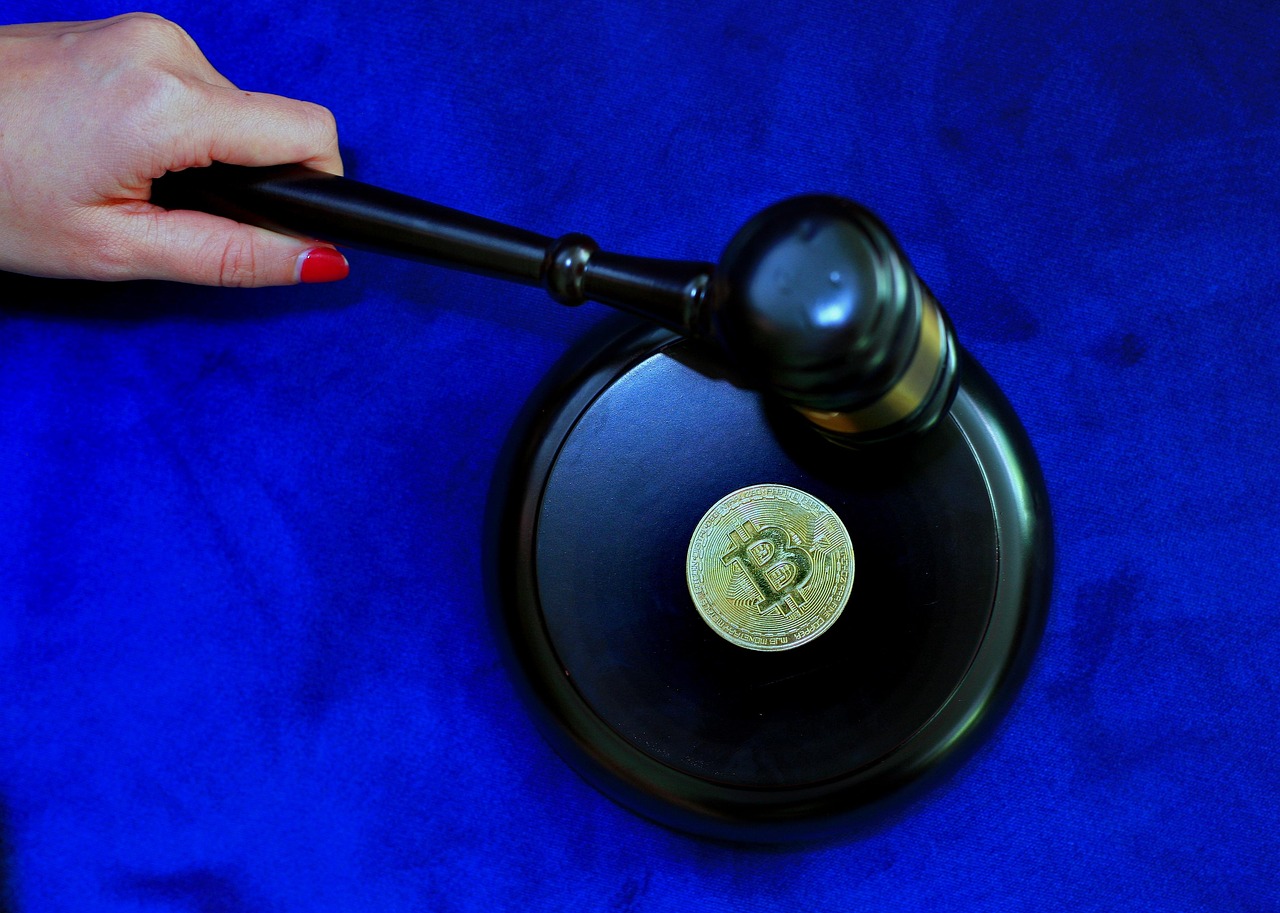
In a landmark shift for the United States digital asset landscape, Securities and Exchange Commission (SEC) Chairman Paul Atkins has declared that crypto markets deserve "long-overdue" regulatory clarity, signaling a definitive end to the agency's controversial "regulation by enforcement" era [3], [6]. Speaking at the Practising Law Institute and the DC Blockchain Summit, Atkins unveiled a comprehensive new interpretive framework—developed in coordination with the Commodity Futures Trading Commission (CFTC)—that fundamentally redefines the legal status of most digital assets [2], [3]. By designating the vast majority of cryptocurrencies as non-securities, the SEC is attempting to build a "bridge" toward permanent legislation while providing immediate relief to an industry that has operated without a defined rulebook for over a decade [1], [3].
A New Taxonomy: Defining the Five Pillars of Digital Assets
The centerpiece of the SEC’s new direction is a joint interpretive guidance that introduces a formal token taxonomy [2], [5]. This framework categorizes digital assets into five distinct classes to clarify how federal securities laws apply to different technologies:
- Digital Commodities: Assets whose value is tied to the functionality of a blockchain network [2].
- Digital Securities: Traditional securities that have been tokenized [3], [6].
- Stablecoins: Digital assets pegged to a stable reserve, such as the U.S. dollar [1], [3].
- Digital Collectibles/NFTs: Unique digital assets used for art or collectibles [3], [6].
- Digital Tools: Functional tokens used within specific ecosystems [2], [3].
According to Chairman Atkins, under this new interpretation, "only one crypto asset class remains subject to the securities laws": tokenized traditional securities [6]. This means that the vast majority of existing cryptocurrencies are no longer viewed as securities by the SEC [2], [3].
Solana and Major Altcoins Achieve Commodity Status
The new guidance has immediate and profound implications for major blockchain projects. In a joint filing, the SEC and CFTC specifically identified Bitcoin (BTC), Ethereum (ETH), Solana (SOL), and Cardano (ADA) as digital commodities [2], [5]. This classification is particularly significant for Solana; the ruling effectively removes the "security" label that had previously hampered its regulatory standing, making it "safe to trade" under the new U.S. legal framework [5].
Furthermore, the SEC clarified that common industry practices such as staking, mining, airdrops, and token wrapping are not, by definition, securities transactions [5]. This distinction provides developers like David Pakman of CoinFund with the confidence to experiment with new token models without the immediate fear of strict securities oversight [2].
The 'CLARITY Act' and the Legislative Bridge
Chairman Atkins emphasized that while the SEC’s interpretation provides immediate guidance, it is intended to serve as a temporary measure until Congress passes formal market structure legislation [1], [6]. The primary vehicle for this is the CLARITY Act, which passed the House of Representatives in July 2025 [3], [6].
Progress on the bill in the Senate has been complicated by disagreements over stablecoin yields [1]. In early March 2026, the probability of the CLARITY Act becoming law dropped to approximately 50% due to friction between the White House and the banking industry [1]. However, recent negotiations appear more promising. Senator Cynthia Lummis recently described a meeting with White House crypto adviser Patrick Witt as "productive," stating that lawmakers are now "99% of the way there" on the stablecoin yield issue [1], [6].
Institutional Sentiment and Market Impact
The shift toward regulatory certainty comes at a time of surging institutional interest. A recent Coinbase survey revealed that 73% of institutional investors plan to increase their crypto holdings in 2026 [4]. Similarly, a Ripple study of over 1,000 finance leaders found that 72% believe offering digital asset solutions is now a "competitive necessity" [8].
Despite the long-term optimism, the immediate market reaction to the SEC's announcement was characterized by caution. The total crypto market capitalization dipped by approximately 2% following the declaration [2]. This may be attributed to Atkins' own warning that the SEC's interpretation is not infallible; he noted that "the courts can deviate from that if they don’t like our rationale" [1].
Operationalizing the Framework: Sandboxes and Analytics
To move beyond mere interpretation, the SEC plans to propose formal rules that will codify this framework into law [1]. A key component of this plan is the creation of a regulatory sandbox, which will allow firms to develop proof-of-concept products under a series of exemptions [1].
Simultaneously, the U.S. Treasury is emphasizing the role of blockchain analytics to ensure this growth is responsible. A Treasury report, fulfilling a mandate from the GENIUS Act of 2025, identified blockchain monitoring as a "powerful multiplier" for anti-money laundering (AML) efforts [11]. The report highlighted the need to combat "pig-butchering" scams and North Korean cyberattacks while suggesting that Congress introduce a "hold law" to give institutions safe-harbor protections when freezing suspicious assets [11].
Conclusion: A Turning Point for U.S. Markets
The announcements by Chairman Paul Atkins represent a fundamental pivot in U.S. financial policy. By moving away from enforcement-led regulation and providing a clear taxonomy for digital assets, the SEC is attempting to drive capital back onshore and foster domestic innovation [3], [9]. While the finality of these rules depends on the passage of the CLARITY Act and potential court challenges, the industry now has its most transparent roadmap to date. As Atkins concluded, this is a "genuine turning point" that provides the foundation for the next era of digital finance in the United States [3].



![[crypto] XRP Wins Major Regulatory Clarity As Commodity Status Emerges](/uploads/thumbnails/crypto-xrp-wins-major-regulatory-clarity-as-commodity-status-emerges.jpg)