US Crypto Regulation: CFTC Approves Futures, CLARITY Act Delayed
CFTC to approve perpetual futures contracts soon, while the CLARITY Act faces setbacks due to stablecoin yield disagreements, impacting market sentiment.

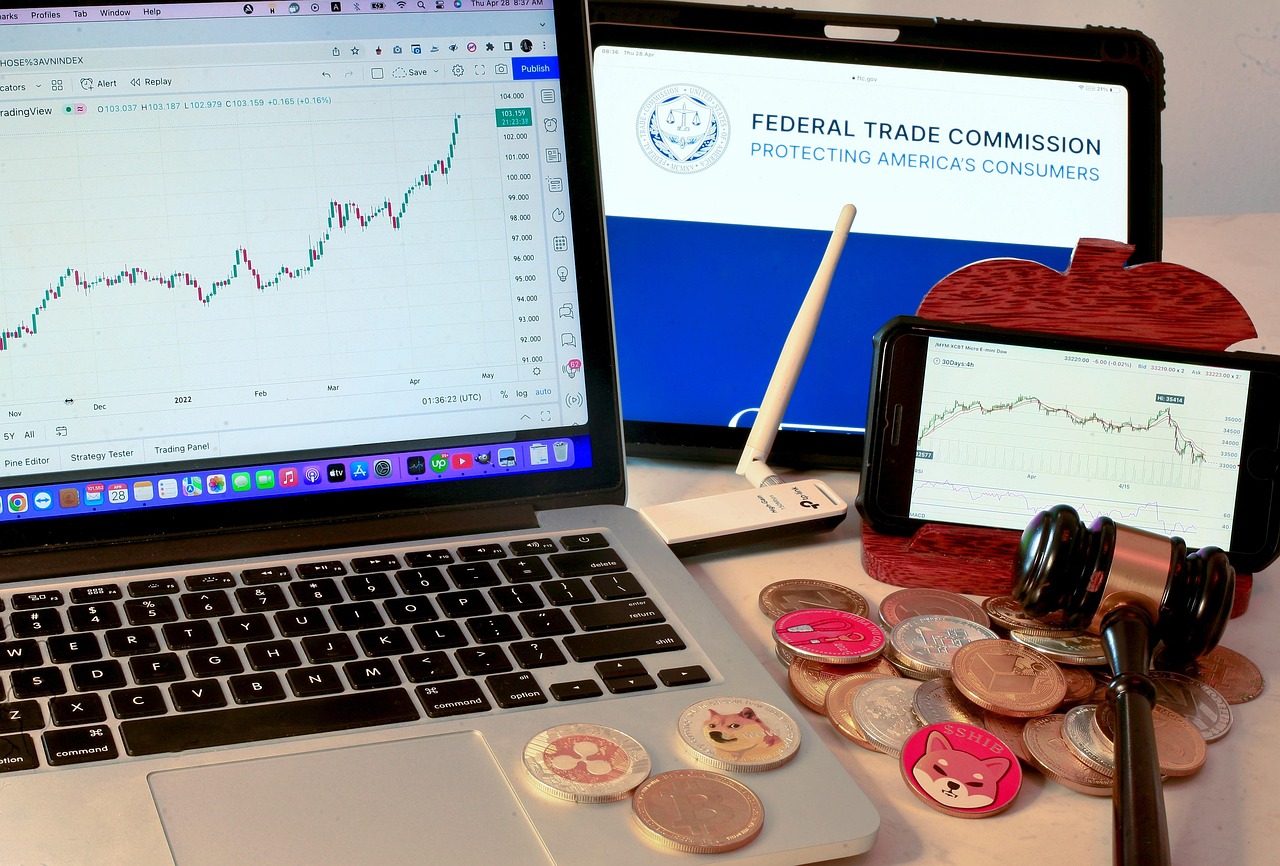
Photo: Pexels / Jonathan Borba
US Crypto Regulation Advances: CFTC to Approve Perpetual Futures, CLARITY Act Stalled
The US cryptocurrency regulatory landscape is experiencing a pivotal moment as two major developments unfold simultaneously. On one front, the Commodity Futures Trading Commission (CFTC) is preparing to approve crypto perpetual futures contracts within weeks, while on another, the comprehensive CLARITY Act faces significant delays due to industry disagreements over stablecoin yield provisions. This regulatory divergence highlights the complex challenges facing US policymakers as they attempt to balance innovation with investor protection in the rapidly evolving digital asset space.
The timing of these developments is particularly noteworthy. As Bitcoin trades at $68,132.49, down 0.96% from its previous levels, and Ethereum at $1,973.33, down 2.68%, the market appears to be responding to both the regulatory uncertainty and the potential for increased institutional participation that clearer rules could bring. Sentiment analysis shows Bitcoin sentiment at an average of 0.119 across 1,363 sources, while Ethereum sentiment sits at 0.206 across 788 sources, suggesting a cautiously optimistic outlook among market participants.
CFTC's Bold Move on Perpetual Futures
The most significant regulatory development comes from the CFTC, where Chairman Michael Selig has announced plans to establish a framework for crypto perpetual futures contracts in the United States within approximately 30 days. This announcement, made during a Milken Institute panel discussion in Washington, DC, represents a dramatic shift in the agency's approach to cryptocurrency derivatives.
Perpetual futures contracts allow traders to speculate on cryptocurrency valuations without preset expiration dates, making them particularly popular among crypto traders. While these products have been widely adopted across international crypto exchanges, they have lacked defined regulatory oversight in the United States. The CFTC's move to establish "true perpetual futures" within American markets could fundamentally reshape the domestic crypto derivatives landscape.
According to Selig, the previous administration's regulatory uncertainty forced companies and trading volume to migrate overseas, with significant trade activity moving to platforms based in Asia, Europe, and the Bahamas. These offshore exchanges already offer perpetual futures and have grown into among the most traded crypto products globally. The CFTC's new framework aims to bring this liquidity back to US markets while ensuring proper investor protections.
The forthcoming regulatory structure will establish parameters for contract design and specify compliance requirements for trading firms. The commission intends to provide comprehensive guidelines for US-based market operators, potentially creating a more level playing field for domestic firms competing with offshore platforms.
Beyond perpetual futures, the CFTC is also developing regulatory guidance for prediction market platforms and working to modernize its rules to accommodate decentralized finance (DeFi) protocols. Selig emphasized that the agency is "modernizing" its rules "so that there's a place" for DeFi in the United States, addressing years of regulatory uncertainty that has plagued DeFi developers.
The CFTC's aggressive timeline is particularly notable given that Chairman Selig is currently the only Senate-confirmed commissioner, with no indication that President Trump will nominate anyone to fill the agency's four vacant commissioner slots. This unique situation allows Selig to act more independently on regulatory matters, potentially accelerating the approval process for crypto derivatives.
CLARITY Act Stalls Over Stablecoin Yield Disputes
While the CFTC moves forward with specific regulatory frameworks, the broader CLARITY Act faces significant delays. The March 1 White House deadline to resolve stablecoin reward disputes under the CLARITY Act expired without a deal, highlighting the deep divisions between the crypto industry and traditional banking sector.
The CLARITY Act, formally known as the Digital Asset Market Clarity Act of 2025, is designed to clarify boundaries around digital assets, define oversight responsibilities, and establish a framework for how tokens and intermediaries are treated under federal law. However, negotiations have stalled at a critical point over whether stablecoin issuers should be allowed to offer yield or rewards to holders.
Representatives from both industries have held a series of meetings at the White House, frequently describing the discussions as "constructive." However, despite that tone, progress has been slow. While the Senate Agriculture Committee has approved its portion of the bill, progress in the Senate Banking Committee has slowed considerably.
The disagreement over stablecoin yield has become the central sticking point. Banks argue that allowing stablecoin issuers to offer yield could create unfair competition and potentially destabilize the financial system. Meanwhile, crypto firms contend that yield-bearing stablecoins are essential for attracting users and providing competitive returns in the digital asset space.
Senate Banking Committee leaders are now preparing new markup attempts later in March, with lawmakers facing mounting pressure to finalize text before a potential 2026 vote. Patrick Witt, executive director of the White House Crypto Council, had set the March 1 deadline for compromise, but that timeline has clearly been missed.
Industry Reactions: Optimism Meets Skepticism
The regulatory developments have sparked sharply different reactions across the crypto industry. Some market participants view the CFTC's move on perpetual futures as a positive step that could bring much-needed clarity and legitimacy to crypto derivatives trading in the United States.
Hyperliquid (HYPE), one of the fastest-growing platforms in the perpetuals segment, stands to benefit significantly if the regulatory framework allows for onshore trading of these products. The platform's growth has been largely driven by offshore markets, and a US regulatory framework could potentially create substantial new opportunities.
However, not all industry reactions have been positive. Cardano founder Charles Hoskinson has attacked the CLARITY Act as a "horrific, trash bill," arguing that it would make new crypto projects securities by default and leave their fate in the hands of an SEC rulemaking process that future administrations could weaponize. Hoskinson contends that the bill lacks protections for DeFi, prediction markets, and even stablecoins, since it bans yield on stablecoin balances.
Institutional perspectives vary as well. JPMorgan analysts have predicted that the Clarity Act, if signed into law by the middle of the year, could become a meaningful catalyst for digital assets in the second half of 2026 by reducing legal uncertainty and making it easier for institutions to expand exposure. This institutional optimism contrasts sharply with the skepticism expressed by some crypto-native voices.
The debate over the CLARITY Act highlights a fundamental question about what "regulatory clarity" actually delivers and who it helps. While supporters present the legislation as a long-awaited replacement for years of regulation by enforcement, critics argue that the current version could actually harm innovation and push US crypto founders offshore.
SEC-CFTC Coordination and Market Structure
A notable aspect of the current regulatory developments is the apparent coordination between the SEC and CFTC. SEC Chair Paul Atkins joined CFTC Chair Selig on the Milken Institute panel, emphasizing a unified regulatory strategy for digital assets. The two agencies are reportedly working together on crypto regulations, including a proposed memorandum of understanding (MoU) to position the United States as the global leader in crypto markets.
This coordination represents a significant shift from the previous administration's approach, which was characterized by what many in the industry saw as conflicting or unclear guidance from different regulatory bodies. The current approach aims to provide clear standards and legal certainty for market participants.
The market structure bill, when passed, will impact both agencies significantly. The CFTC would gain jurisdiction over many crypto assets currently classified as commodities, while the SEC would maintain oversight of securities tokens. This division of responsibilities could finally provide the clarity that has been missing from US crypto regulation.
However, the coordination also raises questions about how the agencies will handle overlapping jurisdictions and potential conflicts. The development of "innovation exceptions" to allow crypto experimentation without enforcement action suggests a more nuanced approach to regulation that attempts to balance innovation with investor protection.
Implications for DeFi and Innovation
The CFTC's stated intention to "modernize" its rules to accommodate DeFi protocols represents a potentially significant shift in how decentralized technologies are regulated in the United States. For years, DeFi protocols have faced regulatory uncertainty, with some enforcement actions characterizing them as exchanges or brokers.
Selig's comments suggest that the CFTC is working to provide clarity as to when and how DeFi protocols fall under its jurisdiction. The agency plans to make it "very clear as to what implicates the CFTC's regulations and what doesn't," potentially providing much-needed certainty for DeFi developers operating in the US.
This approach could have far-reaching implications for the development of decentralized technologies in the United States. If successful, it could create a regulatory environment that allows for innovation while still providing appropriate oversight. However, the details of how this will be implemented remain to be seen.
The emphasis on "future-proofing" regulations to accommodate on-chain software systems suggests an awareness of the rapid pace of technological change in the crypto space. This forward-looking approach could help ensure that regulations remain relevant as new technologies emerge.
Market Impact and Trading Dynamics
The regulatory developments are already having an impact on market dynamics. The prospect of approved crypto perpetual futures in the United States could potentially increase institutional participation in crypto markets, as these sophisticated derivatives products are often used by professional traders and hedge funds.
However, the uncertainty surrounding the CLARITY Act and other comprehensive regulatory frameworks may be contributing to the current market volatility. The 0.96% decline in Bitcoin and 2.68% decline in Ethereum prices could reflect investor concerns about the regulatory environment and its potential impact on the crypto industry.
The sentiment data, showing slightly positive sentiment for Bitcoin and slightly positive sentiment for Ethereum, suggests a market that is cautiously optimistic but still concerned about regulatory risks. This mixed sentiment is reflected in the trading volumes and price action across various crypto assets.
The potential for increased regulatory clarity could also impact the competitive dynamics between US and offshore crypto exchanges. If the CFTC's framework successfully brings perpetual futures trading back to US markets, it could reduce the competitive advantage currently enjoyed by offshore platforms that offer these products without clear regulatory oversight.
Timeline and Political Considerations
The timeline for regulatory developments remains uncertain, particularly for the CLARITY Act. With the upcoming US midterm elections in November, there is increasing pressure to pass comprehensive crypto legislation before the political calendar becomes more constrained.
Rebecca Liao, co-founder and CEO at Web3 and AI protocol Saga, has suggested that the legislation is effectively "on hold" due to government gridlock and partisan divides. This assessment contrasts with more optimistic predictions from some lawmakers who hope to pass market structure legislation by April.
The political dynamics surrounding crypto regulation are complex, with different stakeholders pushing for different outcomes. The crypto industry has spent years asking Washington for clear rules, and the current developments suggest that some progress is being made, even if comprehensive legislation remains elusive.
The CFTC's ability to move forward with specific regulatory frameworks, even as broader legislation stalls, demonstrates the agency's willingness to use its existing authority to address regulatory gaps. This approach could continue even if comprehensive market structure legislation is delayed.
International Competitive Implications
The US regulatory developments have significant implications for the country's competitive position in the global crypto industry. For years, US crypto firms have complained about regulatory uncertainty driving innovation and business activity offshore.
The CFTC's move to approve crypto perpetual futures could help reverse this trend by providing a clear regulatory framework for these products. This could potentially attract trading volume and liquidity back to US markets, benefiting domestic exchanges and market makers.
However, the success of this approach will depend on how the regulatory framework is implemented and whether it strikes the right balance between oversight and innovation. If the rules are too restrictive, they could continue to drive activity offshore. If they're too permissive, they could fail to provide adequate investor protections.
The international competitive implications extend beyond just trading volumes. Clear regulatory frameworks could also impact where crypto companies choose to incorporate, where they list their tokens, and how they structure their operations. This could have long-term implications for the US's position as a hub for crypto innovation.
Looking Ahead: Potential Scenarios
Several potential scenarios could unfold in the coming months. If the CFTC successfully implements its framework for crypto perpetual futures within the projected timeline, it could create a model for how other crypto products might be regulated in the United States.
Alternatively, if the CLARITY Act continues to face delays, it could lead to increased calls for more targeted regulatory approaches rather than comprehensive legislation. This could result in a patchwork of regulations addressing specific issues rather than a unified framework.
The outcome of the midterm elections could also significantly impact the regulatory trajectory. A change in congressional control could alter the priorities and approach to crypto regulation, potentially accelerating or further delaying comprehensive legislation.
Regardless of the specific outcomes, the current developments suggest that US crypto regulation is entering a new phase. The combination of targeted regulatory actions by agencies like the CFTC and ongoing legislative efforts indicates a growing recognition of the need to address the unique challenges posed by digital assets.
Conclusion: A Critical Juncture for US Crypto Regulation
The US cryptocurrency regulatory landscape stands at a critical juncture, with the CFTC's imminent approval of crypto perpetual futures representing a significant step forward, even as comprehensive legislation like the CLARITY Act faces delays. This divergence highlights the complex challenges facing US policymakers as they attempt to balance innovation with investor protection in the rapidly evolving digital asset space.
The CFTC's aggressive timeline for approving crypto perpetual futures within weeks demonstrates a willingness to use existing regulatory authority to address specific market needs. This targeted approach could provide much-needed clarity for crypto derivatives trading while the broader legislative process continues to unfold.
However, the delays in passing comprehensive legislation like the CLARITY Act underscore the deep divisions within the industry and between different regulatory perspectives. The disputes over stablecoin yield and the broader questions about how to classify and regulate different types of crypto assets remain unresolved.
The coming months will be crucial in determining whether the US can establish itself as a global leader in crypto regulation or whether regulatory uncertainty will continue to drive innovation and business activity offshore. The success of the CFTC's approach to perpetual futures could provide a model for future regulatory efforts, while the outcome of the CLARITY Act negotiations will shape the broader regulatory framework for years to come.
For market participants, the key will be navigating this period of transition while preparing for a potentially more regulated future. The current volatility in crypto prices may reflect both the uncertainty of the regulatory environment and the anticipation of potential opportunities that clearer rules could create.
As the US continues to grapple with these complex regulatory questions, the global crypto industry watches closely. The outcomes of these regulatory developments will not only impact US markets but could also influence regulatory approaches in other jurisdictions, potentially shaping the future of cryptocurrency regulation worldwide.
Related

US Crypto Regulation Advances: CFTC & CLARITY Act Focus
Mar 4, 2026

US Crypto Regulation: The CLARITY Act and its Implications for Stablecoins and the Broader Market
Feb 26, 2026
SEC and CFTC Pivot Toward Innovation as CLARITY Act Gains Momentum
Apr 19, 2026

US Crypto Regulation: Balancing Innovation & Protection
Mar 10, 2026

US Crypto Regulation: Stablecoins & Clarity Emerge
Feb 26, 2026

US Crypto Regulation: Clarity Act Advances Amidst SEC & CFTC Activity
Apr 12, 2026
Source Articles
This article is based on analysis of 15 source articles from our news database.
- 1Blockonomi·Trader Edge·blockonomi.com·
- 2NewsBTC·Ronaldo Marquez·newsbtc.com·
- 3Cryptopolitan·Nellius Irene·cryptopolitan.com·
- 4Cointelegraph·Cointelegraph by Turner Wright·cointelegraph.com·
- 5Crypto news·Andrew Folkler·crypto.news·
- 6CryptoSlate·Oluwapelumi Adejumo·cryptoslate.com·
- 7The Defiant·Olivia Capozzalo·thedefiant.io·
- 8CoinGape·Coingapestaff·coingape.com·
- 9Blockonomi·Maxwell Mutuma·blockonomi.com·
- 10CoinGape·Boluwatife Adeyemi·coingape.com·
- 11Bitcoinist·Ronaldo Marquez·bitcoinist.com·
- 12Bitcoin.com·Kevin Helms·news.bitcoin.com·
- 13NewsBTC·Christian Encila·newsbtc.com·
- 14Cointelegraph·Cointelegraph by Turner Wright·cointelegraph.com·
- 15CoinGape·Coingapestaff·coingape.com·