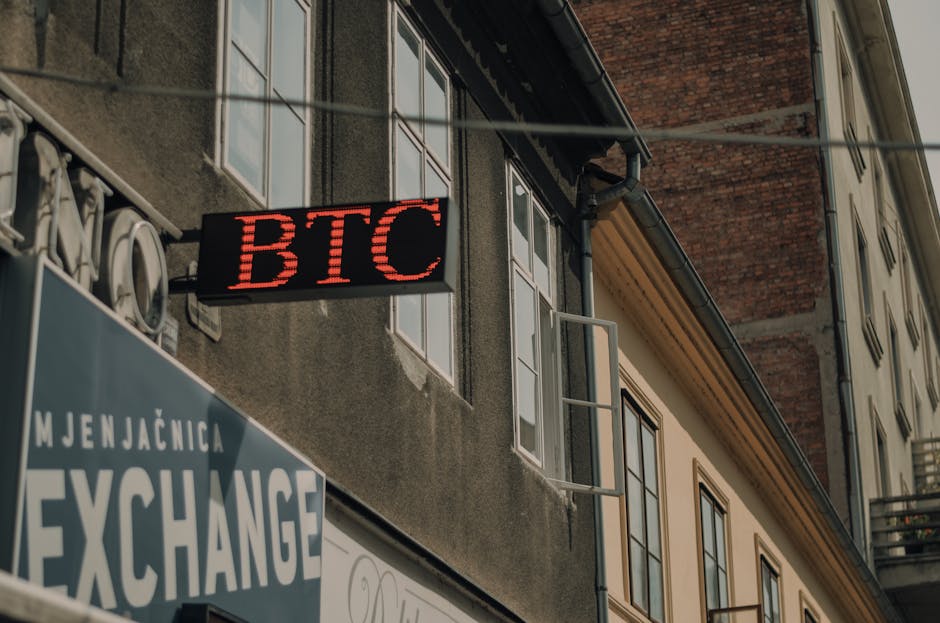
The European cryptocurrency landscape is approaching a definitive structural shift as the July 1, 2026, deadline for the Markets in Crypto-Assets (MiCA) regulation looms, placing the world’s largest digital asset exchange, Binance, at a critical crossroads. Recent reports suggest that the Hellenic Capital Market Commission (HCMC) in Greece may be preparing to deny Binance’s application for a MiCA license, a move that could effectively bar the platform from serving the European Union’s vast internal market [1] [3]. While Binance has vigorously disputed these claims, asserting that its application is compliant and has even been reviewed at the level of the European Securities and Markets Authority (ESMA), the conflicting narratives highlight the high stakes of the transition from a patchwork of national registrations to a unified, pan-European regulatory regime [4] [6].
The Greek Regulatory Hurdle: Conflicting Accounts
At the center of the current uncertainty is Binance’s strategic decision to utilize Greece as its primary regulatory gateway into the European Union. The exchange formally submitted its MiCA authorization request to the HCMC in January 2026, having previously established a Greek holding company, Binary Greece, in late 2025 [1] [7]. This move was seen as a pivot away from other potential jurisdictions like Malta, with Binance leadership citing Greece’s economic environment and security profile as key advantages [1] [8].
However, reports surfaced on June 16, 2026, citing sources familiar with the matter, indicating that the HCMC is moving toward a rejection of the application [3] [5]. If finalized, this decision would prevent Binance from utilizing the "passporting" mechanism, which allows a firm authorized in one EU member state to provide services across all 27 nations in the bloc [4] [7]. Binance has countered this reporting by stating that the HCMC had actually completed its assessment and found the application compliant with MiCA requirements [1] [6]. According to a Binance spokesperson, the HCMC even notified ESMA of its intent to grant authorization during an upcoming board session [1] [3].
The HCMC has maintained a policy of public silence, citing confidentiality rules regarding pending applications [2] [8]. This lack of official confirmation has created a period of intense market speculation, as the July 1 deadline represents a "hard stop" for firms lacking proper credentials [2] [9]. Under the operative legal reality of MiCA, there is no intermediate or "pending" status that allows a firm to continue serving EU clients after the deadline if they have not secured a full Crypto-Asset Service Provider (CASP) license [9].
The Mechanics of MiCA and the July 1 Deadline
The MiCA framework represents the first comprehensive attempt by a major global economy to regulate the crypto-asset sector under a single set of rules. It replaces a fragmented system where a Virtual Asset Service Provider (VASP) registered in one member state faced entirely different standards than one in another [9]. The regulation covers a wide array of operational requirements, including governance, custody standards, client asset protection, and market abuse rules [9].
The transition period, governed by Article 143, provided an 18-month grandfathering window for firms previously operating under national registrations [9]. That window is set to close on July 1, 2026, at which point firms must either be authorized under MiCA or cease operations within the EU [1] [9]. The scale of this transition is immense; data suggests that of the more than 1,200 crypto firms previously holding national VASP registrations, only approximately 210—or roughly 17%—have successfully converted to full CASP licensing [9].
For a global giant like Binance, the stakes of this conversion are particularly high. The exchange claims to serve more users in Europe than any other platform, and it has spent approximately 18 months pursuing its MiCA authorization [3] [6]. The company has warned that a denial would not only impact its own operations but could also weaken liquidity across the European market, reduce competition, and push investment and tax revenue outside the EU [1] [3].
Broader Market Implications and Competitive Shifts
The potential exclusion of Binance from the EU market could trigger a significant reshuffling of market share among regulated entities. While Binance faces hurdles in Greece, other major players have already secured their positions within the MiCA framework. Regulators in countries such as Germany, the Netherlands, France, Ireland, and Luxembourg have already granted authorizations to various digital asset companies [1] [9]. Firms including Coinbase, Kraken, Bitstamp, Circle, eToro, and Revolut have already secured MiCA-related approvals or strategic positioning within the bloc [7].
The concentration of licensed firms in specific jurisdictions highlights a competitive divide. Countries with established licensing pipelines, such as France and Ireland, have processed a higher volume of applications [9]. This has led to concerns among some regulators, notably in France, that firms might seek out "lighter-touch" jurisdictions to gain access to the entire EU market, prompting calls for more centralized oversight by ESMA [4] [7].
If Binance is unable to secure its Greek license, it may be forced to activate contingency plans. Reports have suggested the exchange is internally preparing for a potential EU exit, although the company has publicly emphasized that Europe remains central to its long-term strategy [3] [4]. The exchange has committed to providing a status update to its users by June 30, 2026, regardless of the final regulatory outcome [1] [6].
Global Regulatory Context and Compliance Efforts
The challenges in Greece are part of a broader narrative of regulatory scrutiny facing Binance globally. The exchange is currently operating under a US monitoring program following a $4.3 billion settlement with the US Department of Justice and Treasury Department in 2023 [1] [3]. As part of that agreement, former CEO Changpeng Zhao pleaded guilty to a felony charge, and the company has since undergone a significant leadership transition under new CEO Richard Teng [3] [8].
In response to these global pressures, Binance has significantly expanded its compliance infrastructure. The company now reports employing more than 1,500 compliance personnel worldwide and claims to have prevented nearly $7 billion in potential fraud losses through enhanced monitoring systems [6]. Despite these efforts, the exchange continues to face questions from US legislators regarding transactions involving sanctioned parties and has dealt with licensing setbacks in other regions, such as the Philippines [1] [8].
The MiCA deadline serves as a litmus test for whether these internal reforms are sufficient to satisfy the stringent requirements of European regulators. The HCMC’s decision—and the potential involvement of ESMA—will signal whether the EU intends to apply a higher level of scrutiny to global exchanges with complex regulatory histories compared to smaller, regional players [7].
Conclusion: A Decisive Moment for European Crypto
The situation surrounding Binance and the Greek HCMC is more than a localized licensing dispute; it is a defining moment for the implementation of the MiCA framework. As the July 1 deadline approaches, the discrepancy between Reuters' reports of an imminent rejection and Binance’s assertions of compliance creates a high-pressure environment for both the exchange and its millions of European users [1] [3] [4]. Whether Binance secures its foothold in Greece or is forced to exit the EU market, the outcome will fundamentally alter the competitive dynamics of the European crypto sector, potentially consolidating power among early-moving regulated firms while testing the EU's ability to enforce a unified digital asset policy [7] [9]. The final resolution, expected by June 30, will determine the immediate future of liquidity, competition, and regulatory standards in one of the world's most significant cryptocurrency markets [1] [6].