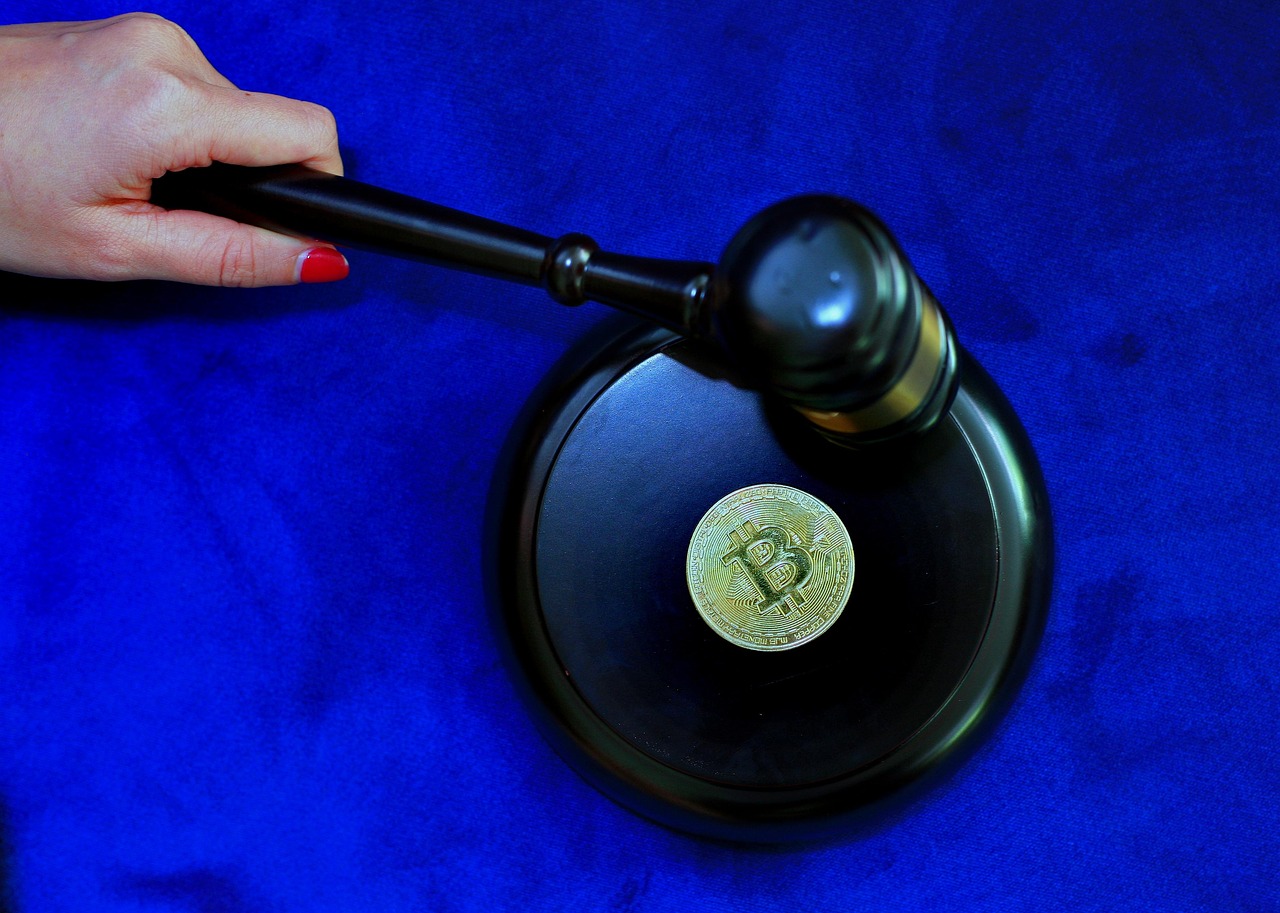
The global race to establish comprehensive regulatory frameworks for digital assets is intensifying, with Europe positioning itself as a frontrunner while the United States grapples with internal divisions over stablecoin legislation. Despite Europe's pioneering efforts with the Markets in Crypto-Assets Regulation (MiCAR), concerns are mounting that its early regulatory edge may not translate into genuine market dominance, risking a creeping 'dollarization' of its digital markets. Meanwhile, in the U.S., the proposed CLARITY Act faces repeated setbacks, primarily due to contentious debates surrounding stablecoin yield, highlighting the deep chasm between traditional financial institutions and the burgeoning crypto industry.
\n\nEurope's Regulatory Vanguard: MiCAR's Promise and Pitfalls
\nEurope has taken a proactive stance in regulating the nascent digital asset space, with Oliver Wyman noting its position as a global leader in cryptocurrency oversight benzinga.com. The landmark Markets in Crypto-Assets Regulation (MiCAR), which officially entered into force in late 2024, has been widely lauded for introducing clear legal standards, a unified classification system, and seamless cross-border licensing for a range of services, including custody, trading, and asset tokenization benzinga.com. This comprehensive framework has even been regarded as a blueprint for other jurisdictions seeking to bring order to the crypto landscape benzinga.com.
\n\nMiCAR's design is heavily influenced by traditional banking principles, incorporating strict licensing procedures, robust reserve requirements, and rigorous safeguarding rules benzinga.com. While these measures are crucial for strengthening consumer protection and fostering market integrity, they have inadvertently created bottlenecks that threaten to stifle innovation benzinga.com. Lengthy approval timelines and significant compliance burdens can deter new entrants and slow down the pace of development within the European digital asset ecosystem benzinga.com.
\n\nCrucially, MiCAR leaves several critical areas unaddressed, which could undermine Europe's ambition for market autonomy. Notably, the regulation does not adequately cover the treatment of deposit tokens, which are designed to link conventional bank money to blockchain networks, nor does it fully encompass decentralized finance (DeFi) protocols, which largely fall outside its current scope benzinga.com.
\n\nThe consequences of these gaps are already becoming apparent. Euro-denominated stablecoins currently represent less than 2 percent of the worldwide total benzinga.com. This low adoption rate fuels worries about the increasing "dollarization" of digital markets, where U.S. dollar-pegged stablecoins dominate, potentially ceding financial sovereignty in the digital realm to the U.S. benzinga.com. While Europe has successfully written the rulebook, competitors elsewhere are rapidly laying the physical and digital infrastructure that could ultimately define market leadership benzinga.com.
\n\nThe US Stablecoin Conundrum: CLARITY Act's Rocky Path
\nAcross the Atlantic, the United States is embroiled in its own complex battle to establish a clear regulatory framework for digital assets, particularly stablecoins. The proposed Guiding and Establishing National Innovation for U.S. Stablecoins Act, or CLARITY Act, aims to outline how regulators should approach crypto, but its progress has been repeatedly stalled by contentious debates over stablecoin yield crowdfundinsider.com, crypto.news, u.today, u.today, pymnts.com, .
\n\nAt the heart of this legislative gridlock is the issue of whether crypto platforms should be allowed to pay users to hold stablecoins, akin to how banks offer interest on savings accounts crowdfundinsider.com, u.today. Cryptocurrency exchange Coinbase has emerged as a central figure in this debate, reportedly expressing significant concerns about the "stable yield language" in the latest version of the legislation crowdfundinsider.com, u.today, pymnts.com, u.today, pymnts.com. Representatives of Coinbase informed Senate offices that the exchange could not support the bill, marking the second time CEO Brian Armstrong has withdrawn support, famously stating in January that "we’d rather have no bill than a bad bill" crowdfundinsider.com.
\n\nCoinbase's opposition stems from the fact that the proposed legislation would ban crypto platforms from paying users to hold stablecoins, thereby eliminating a substantial revenue stream for the exchange crowdfundinsider.com, u.today, cointelegraph.com, u.today. Coinbase currently earns significant revenue by holding customer stablecoins and collecting the interest generated from backing assets like U.S. Treasuries crowdfundinsider.com.
\n\nThe banking industry, on the other hand, vehemently argues that allowing rewards on stablecoins would lead customers to withdraw deposits from traditional savings accounts, opting instead for "digital dollars" with potentially higher yields crowdfundinsider.com, u.today, cointelegraph.com, pymnts.com. Banks contend that such a shift would destabilize their lending capacity and pose a risk to the traditional financial system crowdfundinsider.com, u.today, cointelegraph.com, pymnts.com. The crypto industry, however, views this as anti-competitive behavior designed to protect legacy business models crowdfundinsider.com.
\n\nDespite the ongoing friction, efforts to find a bipartisan compromise continue. Senator Thom Tillis and Senator Angela Alsobrooks have been leading the latest Senate talks u.today, pymnts.com, pymnts.com. The latest draft of the CLARITY Act attempts to bridge the gap by allowing limited activity-based rewards, such as loyalty programs or promotions, while directing the SEC, CFTC, and Treasury Department to define specific rules within a year crowdfundinsider.com. Senator Lummis has emphasized the necessity of bipartisan compromise for the Clarity Act to pass, stating that lawmakers are "working around the clock to ensure stablecoin rewards are protected and to prevent deposit flight from community banks" crowdfundinsider.com.
\n\nThe White House has also weighed in, with Patrick Witt, executive director of the President’s Council of Advisors for Digital Assets, dismissing speculation about Coinbase blocking the bill as "uninformed FUD" crypto.news. Witt expressed confidence that the stablecoin yield deal reached last week between the Senate and White House would reignite momentum for the CLARITY Act crypto.news. However, reports from Punchbowl News (PBN) indicate that while Coinbase's current holdout might not be as strong as Armstrong's public opposition in January, the exchange's representatives did convey their inability to support the latest stablecoin yield deal to the Senate crypto.news, u.today, pymnts.com.
\n\nThe Battle for Yield: Banks vs. Crypto
\nThe fundamental disagreement over stablecoin yield underscores a broader conflict between the established banking sector and the innovative crypto industry. Traditional banks, concerned about potential deposit flight, advocate for regulations that limit or prohibit yield on stablecoins crowdfundinsider.com, u.today, cointelegraph.com, pymnts.com. This stance is reflected in the current legislative language, which, according to Bitcoin skeptic Peter Schiff, suggests that the banking lobby has successfully "strong-armed lawmakers" cointelegraph.com. Schiff noted that under the proposed legislation, stablecoin issuers would not be permitted to pay interest to their users, allowing issuers to keep the yield for themselves rather than sharing it, which he argued would attract "a lot more customers" cointelegraph.com.
\n\nThe impact of these regulatory uncertainties is already being felt by key players in the stablecoin market. Circle ($CRCL), the issuer behind the USDC stablecoin, saw its stock plunge approximately 15% following news of the latest legislative deal cointelegraph.com. This decline highlights the significant revenue implications for companies that rely on stablecoin yield generation. Moreover, the centralized nature of some stablecoins, like USDC, raises concerns about censorship and permissionless access, core tenets of the broader cryptocurrency ethos newsbtc.com. On-chain investigator ZachXBT claimed that Circle wrongfully froze 16 wallets in connection with an ongoing civil legal case, including those belonging to crypto exchanges, online casinos, and foreign currency exchange businesses, which ZachXBT stated "do not appear related at all" newsbtc.com. This incident underscores the power issuers wield over centralized stablecoins, a power that critics argue goes against the fundamental value proposition of cryptocurrencies as censorship-resistant assets newsbtc.com.
\n\nThe evolving regulatory landscape is also shifting the focus of stablecoin stability. Traditionally, stability has been framed around infrastructure, reserves, and the mechanics of maintaining a one-to-one peg with fiat currency cointelegraph.com. However, as the U.S. moves forward with legislation like the GENIUS Act, the center of gravity is shifting. Stability may increasingly be shaped not solely by what sits on issuer balance sheets, but by what happens with wallets and the broader ecosystem of digital cash adoption cointelegraph.com.
\n\nAutonomy in a Dollarized Digital World
\nThe parallel regulatory struggles in Europe and the United States highlight a critical juncture for the global digital asset market. Europe's early lead with MiCAR is commendable, providing a clear and unified framework that many other jurisdictions look to emulate benzinga.com. However, the framework's reliance on traditional banking principles, coupled with its unaddressed areas like deposit tokens and DeFi, creates vulnerabilities benzinga.com. The alarming statistic that Euro-denominated stablecoins constitute less than 2% of the global total underscores a significant threat to Europe's financial autonomy in the digital age: the creeping "dollarization" of its digital markets benzinga.com.
\n\nTo truly ensure autonomy, Europe must not only refine MiCAR to address its current gaps and foster innovation but also actively promote the development and adoption of euro-denominated digital assets. Without a robust and competitive ecosystem for euro-pegged stablecoins and other digital currencies, Europe risks becoming a mere consumer of digital financial infrastructure largely denominated in U.S. dollars, potentially ceding significant economic and monetary influence.
\n\nThe ongoing legislative battles in the U.S., particularly around stablecoin yield, demonstrate the intense lobbying power of traditional finance and the challenges of integrating novel digital financial products into existing regulatory structures crowdfundinsider.com, cointelegraph.com. The outcome of the CLARITY Act will not only shape the future of crypto in the U.S. but also influence global standards and market dynamics. If U.S. regulations unduly restrict innovation or favor traditional institutions, it could further entrench the dollar's dominance in the digital asset space, exacerbating Europe's "dollarization" concerns.
\n\nUltimately, both Europe and the U.S. are navigating complex terrains where innovation, consumer protection, financial stability, and national autonomy intersect. For Europe, the challenge is to leverage its regulatory foresight into genuine market leadership, actively countering the trend of dollarization by fostering a vibrant, euro-centric digital asset ecosystem. For the U.S., the task is to forge a balanced regulatory path that encourages innovation without compromising financial stability, a path that has proven elusive thus far. The decisions made today in both jurisdictions will profoundly shape the future of digital finance and the balance of power in the global economy.
", "title": "Europe's Digital Autonomy at Risk Amid Global Stablecoin Regulatory Battles", "subtitle": "MiCAR's Promise Faces Dollarization Threat as US CLARITY Act Stalls on Yield Disputes", "seo_meta": { "description": "Analysis of Europe's MiCAR framework and US CLARITY Act, highlighting challenges in stablecoin regulation, dollarization risks, and the battle for digital asset market autonomy.", "keywords": ["crypto regulation", "MiCAR", "CLARITY Act", "stablecoins", "digital assets", "European autonomy", "dollarization", "Coinbase", "financial journalism"] } } ```![[crypto] Senate Faces Tight Deadline to Vote on CLARITY Act Before August Break](/uploads/thumbnails/crypto-senate-faces-tight-deadline-to-vote-on-clarity-act-before-august-break.jpg)