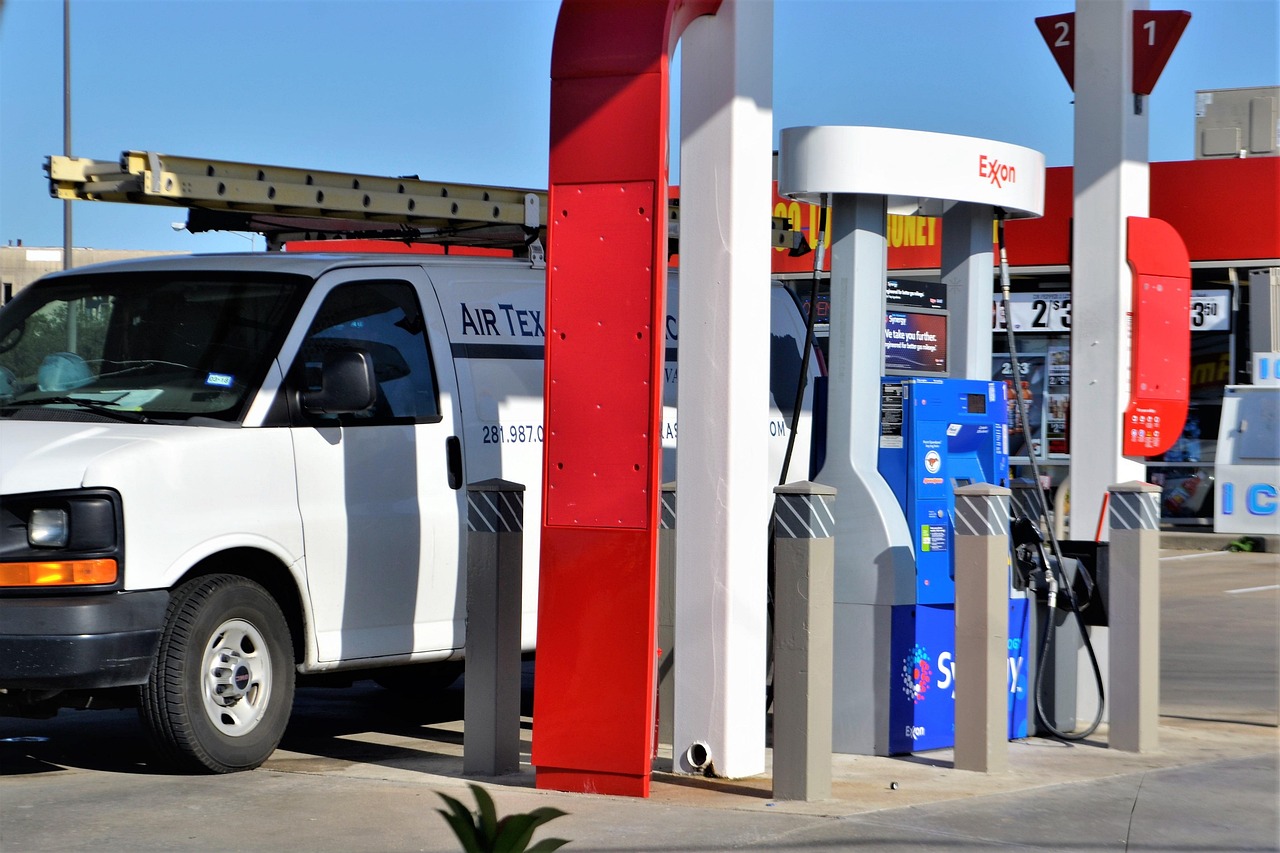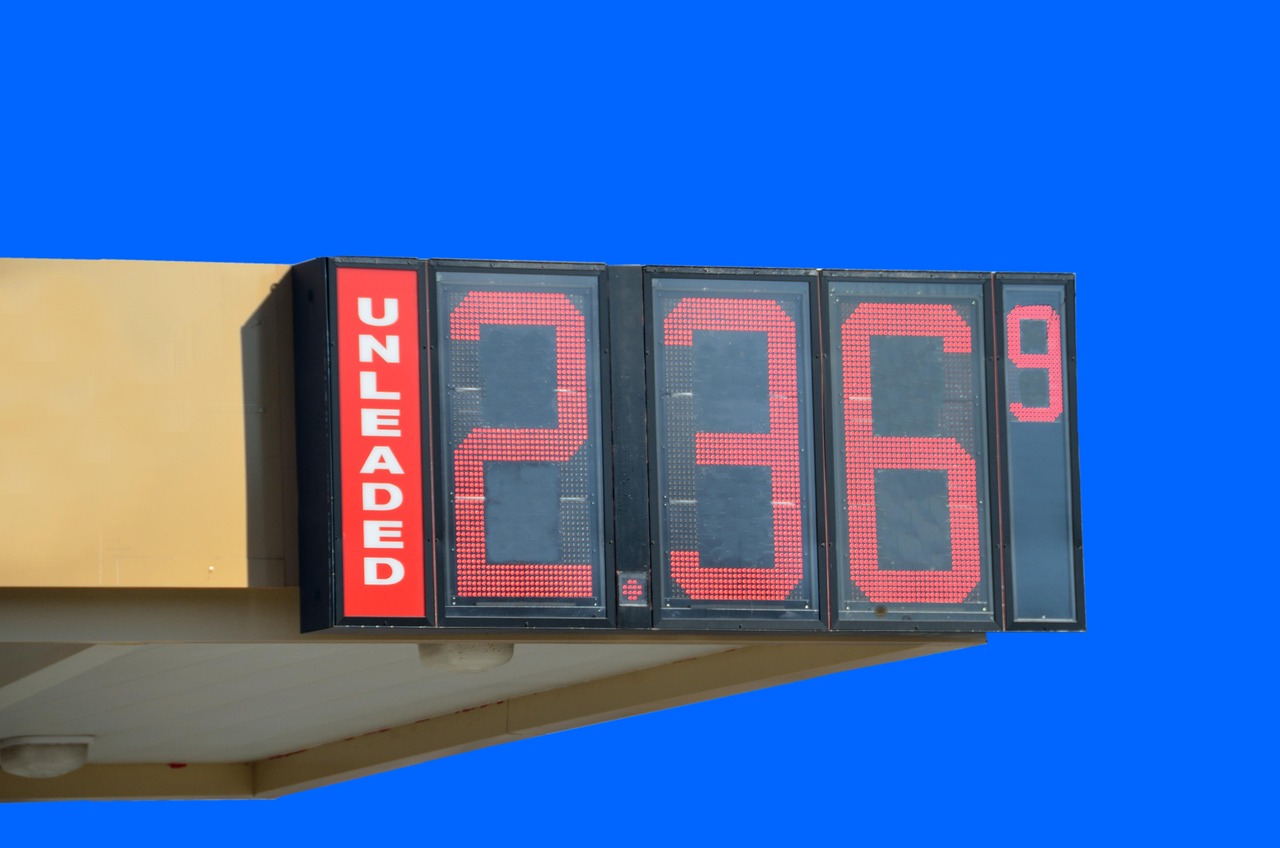
The American energy landscape is undergoing a period of intense volatility as the national average price for retail gasoline surpassed $3.75 a gallon for the first time since October 2023 [8]. This surge comes as global fuel markets grapple with severe supply disruptions stemming from the ongoing conflict in the Middle East, specifically following the joint U.S. and Israeli military actions against Iran in late February [8]. As pump prices climb, the ripple effects are being felt across global financial markets, influencing central bank rhetoric from Washington to Reykjavik and putting renewed pressure on consumer sentiment ahead of critical political milestones [2, 5, 8].
The Catalyst: Geopolitical Conflict and Supply Chokepoints
The primary driver behind the recent spike in energy costs is the escalating war in the Middle East, which has significantly hindered exports from one of the world's most vital oil-producing regions [8]. According to market reports, Iran’s retaliatory attacks on shipping in the Strait of Hormuz have effectively stymied exports from Gulf producers, creating a tighter global market despite relatively healthy domestic inventories [8].
While the United States maintains approximately 28.5 days of motor fuel supply—the highest level for this time of year since 2021—retail prices have remained tethered to the skyrocketing cost of crude oil [8]. Since the end of February, the national average for retail gasoline has climbed by approximately 84 cents, reaching $3.83 per gallon as of mid-March [8]. This move tracks closely with the trajectory of U.S. West Texas Intermediate (WTI) crude futures, which surged from $67.02 a barrel to $96.16 over the same period [8].
Oil as the 'Straw that Stirs the Drink'
The impact of energy prices on the broader macroeconomy cannot be overstated. Analysts at Currencythoughts note that WTI oil prices have jumped a staggering 57.6% in the seven-week span between the late January FOMC meeting and the current March review [5]. This massive appreciation has acted as the primary catalyst for shifts in other asset classes, contributing to a 5% decline in the Dow Jones Industrial Average and significant corrections in the cryptocurrency and precious metals markets [5].
- WTI Crude: Up 57.6% since late January [5].
- Brent Crude: Recently climbed back above $103 per barrel [7].
- Gasoline: National average at $3.83 per gallon [8].
Inflationary Pressures and the Federal Reserve's Dilemma
The sudden spike in energy costs has complicated the inflation outlook just as the Federal Open Market Committee (FOMC) prepares for its second policy review of 2026 [5]. Recent data indicates that U.S. wholesale prices jumped 0.7% in February, exceeding market forecasts and pushing the year-over-year Producer Price Index (PPI) to 3.4% [3].
This "hawkish" inflationary backdrop has led many market participants to anticipate a "hawkish hold" from the Federal Reserve [1]. While the Fed is not expected to change interest rates at the March meeting, there is growing concern that rate cuts could be delayed as far out as 2027 [1]. The internal dynamics of the Fed also show signs of friction; in January, Governors Miran and Waller preferred a 25-basis point cut, but the current environment of slowing growth paired with rising inflation risks has made the path forward highly uncertain [5].
Global Central Bank Reactions
The U.S. is not alone in facing these challenges. Other central banks are already adjusting their stances in response to the energy-driven inflation shock:
- Bank of Canada: Left its overnight interest rate unchanged at 2.25%, citing the "highly uncertain" economic impacts of the Middle East war and elevated inflation risks due to higher energy prices [2].
- Central Bank of Iceland: Raised its 7-day term rate by 25 basis points to 7.5% in a split 3-2 decision, aiming to combat 5.2% consumer price inflation [6].
- Australia: Recently implemented a rate hike, which Iceland followed [6].
Impact on Precious Metals and Commodities
As the U.S. dollar remains firm and Treasury yields hover near 4.21%, non-yielding assets like gold and silver have faced significant downward pressure [1, 7]. Gold (XAU/USD) recently slid 3.3%, breaking the psychological support level of $5,000 per ounce [1]. Technical analysts suggest the path of least resistance for gold remains downward, with structural support identified at $4,760.46 [1].
Silver has shown similar volatility, testing the $79 mark after fluctuating between $78 and $83 during recent sessions [7]. Meanwhile, platinum has retreated roughly 2-3%, eyeing key support at $2,030 as traders weigh cautious macro drivers against tight market conditions [4]. The broader commodity selloff is evidenced by the 10.6% plunge in gold and the 28.5% collapse in silver prices over the last seven weeks [5].
Political Implications and Consumer Sentiment
The surge in gasoline prices carries significant political weight in the United States. President Donald Trump, who was reelected in 2024 on a platform of lowering energy costs, now faces scrutiny as pump prices exceed $3.75 [8]. The timing is particularly sensitive as the country approaches the November midterm elections, which will determine control of Congress [8]. Supply disruptions and the resulting price hikes have reportedly soured some voters on the administration's foreign policy decisions regarding the conflict in Iran [8].
Conclusion: A Market in Flux
The convergence of a major geopolitical conflict in the Middle East and stubborn inflationary data has created a high-stakes environment for investors and policymakers alike. With gasoline prices at $3.83 a gallon and crude oil sustaining levels near $96-$103, the immediate outlook for the global economy remains tilted toward the downside [2, 7, 8]. While the U.S. maintains robust fuel inventories, the global nature of oil pricing ensures that domestic consumers remain vulnerable to international shocks [8]. As the FOMC navigates this "inflationary tilt," the market's focus will remain squarely on the duration of the Middle East conflict and the Federal Reserve's ability to balance slowing growth against rising energy-driven costs [1, 2, 5].
![[crypto] Iran strikes Gulf energy network as oil surges past $110 – crypto markets react](/uploads/thumbnails/crypto-iran-strikes-gulf-energy-network-as-oil-surges-past-110-crypto-markets.jpg)