Oil Price Surge: US-Iran Conflict & Global Supply Chains
A deep dive into the geopolitical risk driving oil prices to record highs following the US-Iran conflict and potential supply chain disruptions.
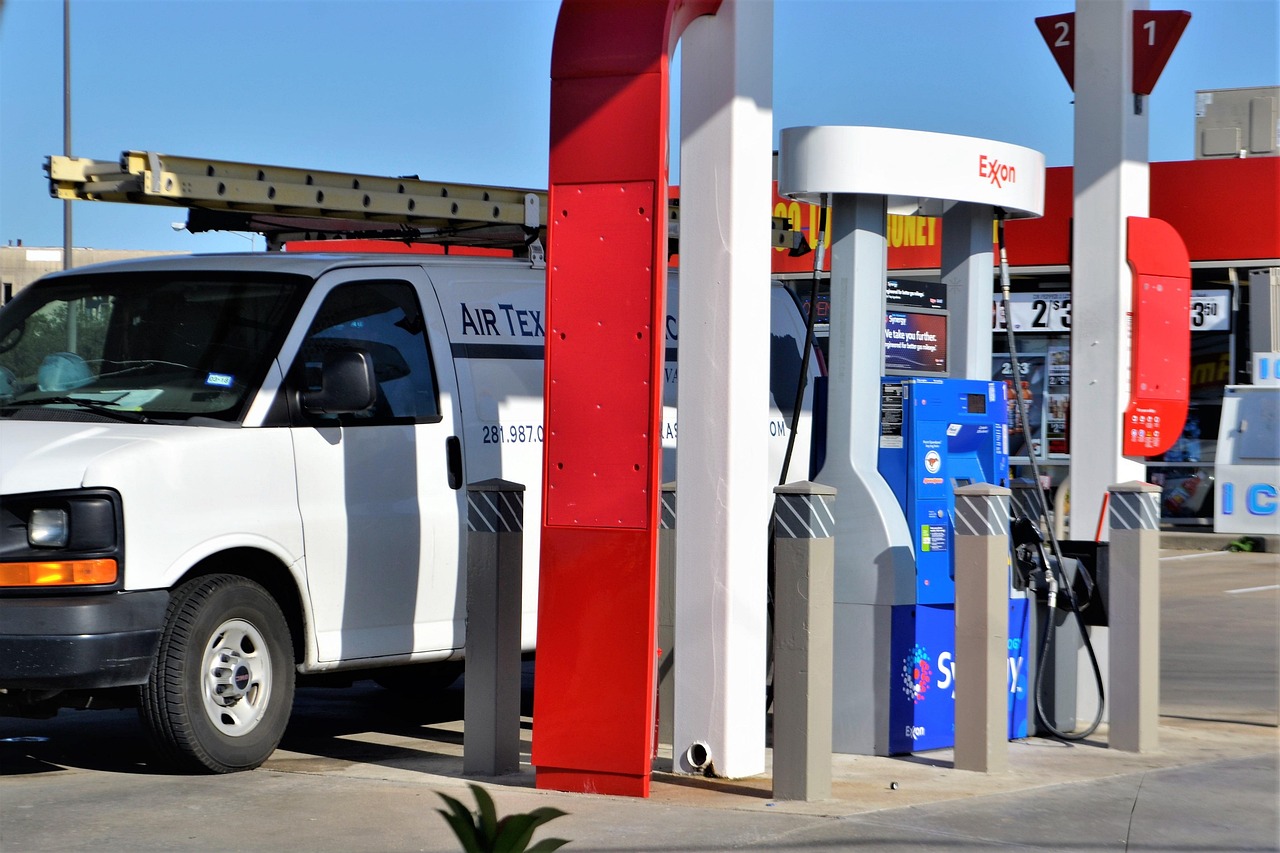
Photo: Pixabay / ArtisticOperations
Oil Price Surge Following US-Iran Conflict: A Deep Dive into Geopolitical Risk and Global Supply Chains
The global oil market is experiencing significant volatility following the outbreak of direct military conflict between the United States, Israel, and Iran. This geopolitical crisis has sent shockwaves through energy markets, with Brent crude oil prices surging dramatically as investors grapple with the potential for supply disruptions in one of the world's most critical energy corridors.
The conflict erupted over the weekend when President Trump ordered missile, fighter, and bomber strikes on a wide range of Iranian targets, with Israel joining the attacks. The strikes reportedly resulted in the death of Iran's Supreme Leader Ayatollah Ali Khamenei and several other military and political leaders. Iran responded by launching hundreds of missile and drone attacks at virtually every country in the Middle East, many of which host US military bases or personnel .
Immediate Market Impact: Oil Prices Spike
The immediate market reaction has been dramatic. Brent crude oil prices have surged by 443 points to reach 6,535.00, representing a significant percentage increase that reflects the market's assessment of heightened supply risks gold.einnews.com. This price movement is part of a broader risk-off sentiment that has gripped global markets, with investors seeking safe-haven assets amid the escalating conflict.
The oil price surge is particularly noteworthy given the strategic importance of the Strait of Hormuz, through which approximately 20 million barrels per day of oil and nearly a fifth of global liquefied natural gas supply transits . Any disruption to this critical waterway could have severe consequences for global energy markets.
Geopolitical Risk Premium
The current price spike reflects what market analysts are calling a "geopolitical risk premium" being built into oil prices. Hakan Kaya, senior commodities portfolio manager at Neuberger Berman, emphasized that "the scale of what is at stake cannot be overstated" . Iran produces roughly 3.4 million barrels per day of crude and condensate and exports about 1.7 million barrels per day, largely to China.
The market is particularly concerned about the nonlinear price consequences if the Strait of Hormuz remains impaired for any meaningful duration. While a disruption lasting days could be absorbed through storage drawdowns, a closure measured in weeks would deplete buffers and could push crude well into triple digits .
Safe-Haven Assets Surge
The oil price surge is occurring alongside dramatic increases in other safe-haven assets. Gold prices have surged to $5,400 per ounce, representing a roughly 80% increase from the previous year . Silver prices have also skyrocketed, with MCX silver prices jumping 9.09% to reach Rs 2,90,308 per kilogram gold.einnews.com.
This flight to safety reflects investor concerns about the broader economic implications of the conflict. Nigel Green, chief executive of deVere Group, warned that the surge risks reigniting inflation just as central banks believed price pressures were coming under control . "Investors are now confronting a renewed inflation threat at a moment when price growth in major economies remains above or only just approaching central bank targets," Green noted.
Global Market Reactions
The conflict has triggered a broad-based sell-off in equity markets. The Dow Jones Industrial Average opened down 488 points, or 1%, at 48,489 points . The broader S&P 500 index is also down 1%, while the tech-focused Nasdaq Composite fell by 1.53% at the opening bell .
European and Asian-Pacific markets also experienced losses today, and several Middle East bourses saw declines yesterday after the US-Israel war with Iran began . The flight from risk assets is being compounded by concerns about the impact on global economic growth if oil prices remain elevated.
Inflation Concerns and Central Bank Dilemmas
The oil price surge poses a significant challenge for central banks that have been working to bring inflation under control. The conflict threatens to undo progress made in reducing price pressures, potentially forcing central banks to maintain higher interest rates for longer than previously anticipated.
Kathleen Brooks, research director at XTB, noted that "far from acting as havens, sovereign bonds have sold off sharply" . US Treasury yields are higher by 8 basis points so far today, and Canada is also facing similar pressures. This bond market reaction suggests that investors are pricing in higher inflation expectations and potentially higher interest rates.
Supply Chain Vulnerabilities
The conflict highlights the vulnerability of global supply chains to geopolitical disruptions. The Middle East remains a critical node in global energy infrastructure, and any prolonged conflict could have cascading effects throughout the global economy.
European natural gas prices have surged 28% as the continent relies on imports of Liquefied Natural Gas from the Persian Gulf, which are being disrupted by the conflict . This price spike could have significant implications for European industries and households already grappling with high energy costs.
US Energy Independence
One mitigating factor in the current crisis is the United States' increased energy independence. The US is more insulated from surging oil prices than in past wars given the boost in domestic oil production over the past several years . This domestic production capacity provides some buffer against global supply disruptions.
However, the interconnected nature of global markets means that even US consumers and businesses will feel the effects of higher oil prices through increased transportation costs, higher input costs for energy-intensive industries, and broader inflationary pressures.
Historical Context and Market Psychology
Market analysts are drawing parallels to previous geopolitical crises that have impacted oil prices. The Russian-Ukraine conflict in February 2022 saw gold spike intra-day before settling lower than prior to the attacks . This historical pattern suggests that while initial reactions to geopolitical events can be dramatic, markets often stabilize once the immediate shock passes.
However, the current conflict presents unique risks given Iran's strategic position in global energy markets and the potential for escalation. The death of Supreme Leader Khamenei represents a significant escalation that could lead to unpredictable Iranian responses.
Impact on Emerging Markets
Emerging markets are particularly vulnerable to oil price shocks, as many are net oil importers and lack the fiscal buffers to absorb sustained price increases. Countries in Asia, Africa, and Latin America could face balance of payments pressures and inflationary challenges if oil prices remain elevated.
India, for example, which imports a significant portion of its oil needs, could see its current account deficit widen and inflation accelerate if the conflict leads to sustained higher oil prices. The Reserve Bank of India may need to maintain tighter monetary policy to combat imported inflation.
Long-term Strategic Implications
The conflict raises questions about the long-term stability of energy markets and the wisdom of continued dependence on Middle Eastern oil supplies. Countries may accelerate efforts to diversify their energy sources, invest in renewable energy, and build strategic petroleum reserves.
The crisis could also accelerate the transition to electric vehicles and other technologies that reduce dependence on oil. However, in the short term, the global economy remains heavily dependent on oil, making geopolitical stability in key producing regions crucial for economic stability.
Market Technical Analysis
From a technical perspective, the oil price surge has broken through several key resistance levels, suggesting that the upward momentum could continue in the near term. Traders are watching for signs of exhaustion in the rally, but the fundamental drivers of higher prices remain strong.
The gold market is also showing strong technical momentum, with prices pushing well above $5,400 an ounce . If the bid continues, the all-time high of $5,586 may come swiftly into play. However, historical patterns suggest that geopolitical price spikes tend to return from whence they came once the immediate crisis passes.
Investment Strategies in Volatile Markets
For investors navigating this volatile environment, diversification and risk management are paramount. The traditional safe-haven assets of gold and government bonds are performing as expected, but the unusual bond market sell-off suggests that even these traditional refuges may face pressure if inflation concerns intensify.
Energy sector investments may benefit from higher oil prices, but investors must weigh the potential for geopolitical risks to materialize into actual supply disruptions. Companies with diversified production bases and strong balance sheets are likely to be better positioned to weather the current volatility.
Policy Responses and International Coordination
The international community may need to coordinate responses to ensure energy market stability. This could include strategic petroleum reserve releases, diplomatic efforts to de-escalate the conflict, and contingency planning for supply disruptions.
The United States, as a swing producer with significant shale oil capacity, has tools at its disposal to moderate price increases. However, the effectiveness of these tools depends on the duration and severity of the conflict.
Economic Growth Implications
Higher oil prices act as a tax on global economic growth, reducing disposable income for consumers and increasing costs for businesses. The International Monetary Fund and other economic forecasters may need to revise growth projections downward if oil prices remain elevated.
The timing of this price shock is particularly challenging, coming as many economies are still recovering from the pandemic and facing other headwinds including demographic shifts, technological disruption, and climate transition costs.
Currency Market Effects
The US dollar has strengthened amid the flight to safety, which could provide some offset to higher oil prices for the United States. However, for countries with currencies weakening against the dollar, the impact of higher oil prices will be magnified as oil is priced in dollars globally.
Emerging market currencies are particularly vulnerable in this environment, and central banks may need to intervene to support their currencies if the dollar strength persists.
Conclusion: Navigating Uncertainty
The oil price surge following the US-Iran conflict represents a significant market event with far-reaching implications for the global economy. While the immediate price reaction has been dramatic, the ultimate impact will depend on how the conflict evolves and whether it leads to sustained supply disruptions.
Investors and policymakers alike must navigate a complex landscape of geopolitical risks, inflationary pressures, and market volatility. The traditional playbook of seeking safe-haven assets remains relevant, but the unusual bond market reaction suggests that even these traditional refuges may face pressure in the current environment.
As the situation continues to develop, market participants will be closely watching for signs of de-escalation or further escalation, as well as monitoring the physical oil market for any actual supply disruptions. The coming weeks will be crucial in determining whether the current price surge represents a temporary spike or the beginning of a more sustained period of higher oil prices.
The conflict serves as a stark reminder of the interconnectedness of global markets and the persistent vulnerability of the global economy to geopolitical shocks. As the world grapples with this latest crisis, the importance of energy security, diversified supply chains, and resilient economic policies has never been more apparent.
Related
Oil Prices Surge Amid Middle East Conflict
Mar 2, 2026

Oil Surges as US-Iran Conflict Escalates, Disrupting Global Trade
Mar 2, 2026

Oil Surges as Iran-Israel Conflict Escalates, Disrupting Global Supply
Mar 3, 2026

Oil Volatility Rises as U.S. Business Slows and Hormuz Tensions Flare
May 8, 2026

Oil Surges as Middle East Conflict Fuels Market Volatility
Mar 3, 2026

Hormuz Blockade Triggers Energy Surge Amid AI Infrastructure Race
Jul 14, 2026
Source Articles
This article is based on analysis of 7 source articles from our news database.
- 1Gold Industry News·Suresh P Iyengar·gold.einnews.com·
- 2Gold and silver prices see sharp rise amid Iran-Israel War: Should you book profit or stay invested?Gold Industry News·Shaghil Bilali·gold.einnews.com·
- 3Gold Industry News·Adekunle Agbetiloye·gold.einnews.com·
- 4Gold Industry News·Piyasi Mitra·gold.einnews.com·
- 5Gold Industry News·Mike Larson·gold.einnews.com·
- 6Gold Industry News·gold.einnews.com·
- 7Gold Industry News·Graeme Wearden, Lisa O’Carroll, Phillip Inman, Tom Knowles·gold.einnews.com·