US-China Trade Tensions & USD Impact: A Deep Dive into Policy Shifts and Global Repercussions
The global currency markets are experiencing heightened volatility as US-China trade tensions continue to evolve, creating a complex landscape for investors and policymakers alike. The US Dollar, traditionally seen as a safe-haven currency, is facing unprecedented pressure from multiple fronts, including shifting trade policies, legal uncertainties, and changing monetary dynamics. This comprehensive analysis examines the current state of US-China trade relations, their impact on the USD, and the broader implications for global markets.
Current State of US-China Trade Relations
The trade relationship between the United States and China remains fraught with tension, despite ongoing negotiations and diplomatic efforts. Recent developments have created a volatile environment where policy shifts can occur rapidly, leaving markets struggling to price in the latest developments.
According to recent market analysis, the EUR/USD pair has risen for the second consecutive day, approaching 1.1819 as sentiment towards the US dollar remains under pressure amid uncertainty over US tariff policy investmacro.com. This weakness in the dollar reflects broader concerns about the stability and predictability of US trade policy.
US Trade Representative Jamieson Greer has indicated that tariff rates for individual countries could be increased from the current 10% to 15% or higher, though specific criteria for such changes remain unclear investmacro.com. This ambiguity has contributed to market uncertainty, as investors struggle to anticipate the next moves in the ongoing trade negotiations.
President Donald Trump has maintained a measured tone on tariffs in his recent addresses, making it clear that he would not change his strategy despite legal challenges to his trade policies investmacro.com. This steadfastness in the face of opposition has created additional uncertainty about the future direction of US trade policy.
Legal Challenges and Policy Shifts
The legal framework surrounding US trade policy has become increasingly complex, with recent court decisions creating new uncertainties for both domestic and international stakeholders. The shift from using the International Emergency Economic Powers Act (IEEPA) to Section 122 of the Trade Act of 1974 has left the administration on uncertain legal ground, according to financial analysts fxstreet.com.
Commerzbank's Volkmar Baur argues that this transition has created potential challenges and repayment obligations that could affect the implementation of current trade policies fxstreet.com. The legal uncertainty surrounding these policy shifts has contributed to market volatility and has made it more difficult for businesses to plan for the future.
The Supreme Court's involvement in trade policy decisions has added another layer of complexity to the situation. While specific details about recent rulings are not available in the provided sources, the mere fact that trade policies are being challenged in court has created additional uncertainty for market participants.
Impact on the US Dollar
The US Dollar has experienced significant pressure across multiple currency pairs, reflecting the broader uncertainty surrounding US trade policy. The Dollar Index (DXY), which tracks the Greenback's value against six major currencies, has shown mixed performance, attracting bids after a weak opening around 97.50 and turning slightly positive to near 97.75 during European trading sessions fxstreet.com.
However, this apparent strength masks underlying weakness in the currency. The Dollar has fallen to near 97.50 as White House policy doubts linger, extending losses for the second successive session fxstreet.com. This decline reflects growing concerns about the sustainability of current trade policies and their potential economic impact.
TD Securities has provided a nuanced view of the Dollar's current position, describing it as tactically supported as a safe haven on Iran-related geopolitical risks and strong US data, while maintaining a structural decline outlook fxstreet.com. This dual perspective highlights the complex factors influencing the Dollar's performance.
The bank expects the USD to stay bid versus EUR, AUD, and crowded G10 shorts, suggesting that while the Dollar faces headwinds, it still retains some safe-haven appeal in times of global uncertainty fxstreet.com. This dynamic creates a challenging environment for currency traders and investors trying to navigate the current market conditions.
Regional Currency Impacts
The impact of US-China trade tensions extends far beyond the direct bilateral relationship, affecting currencies across the Asia-Pacific region and beyond. The New Zealand Dollar (NZD) has shown particular strength, with NZD/USD extending gains for the third consecutive day and trading around 0.6000 during Asian hours fxstreet.com.
This appreciation reflects the broader weakness in the US Dollar amid ongoing uncertainty over White House economic policies. The NZD/USD pair has risen as tariff confusion weighs on the US Dollar, climbing back into the 0.6000 handle after the US Dollar came under broad selling pressure fxstreet.com.
The Japanese Yen has also strengthened, with USD/JPY drifting lower to near 156.15 during early Asian sessions as the US Dollar softens against the Japanese Yen amid tariff uncertainty fxstreet.com. This movement reflects the Yen's traditional safe-haven status and the market's flight to safety amid trade policy uncertainty.
The British Pound has maintained weekly gains around 1.3565 against the US Dollar, trading firmly as the US Dollar remains under pressure due to uncertainty surrounding the United States trade policy outlook fxstreet.com. This strength in the Pound reflects broader Dollar weakness rather than specific strength in the UK economy.
China's Currency Policy and Market Response
China has maintained a relatively stable approach to its currency policy amid the ongoing trade tensions. TD Securities strategists expect Chinese authorities to keep USD/CNY volatility low through the 2026 Two Sessions, while not resisting Chinese Yuan strength fxstreet.com.
This approach reflects China's desire to maintain economic stability while avoiding the appearance of currency manipulation. The People's Bank of China has demonstrated a willingness to allow gradual Yuan appreciation, which has contributed to the recent decline in USD/CNY.
OCBC strategists Sim Moh Siong and Christopher Wong have noted recent RMB strength as USD/CNY fell sharply after holidays, tracking a heavy USD/CNH fxstreet.com. This move reflects a softer Dollar, better risk sentiment, and perceived policy tolerance for RMB appreciation.
The Chinese authorities' approach to currency management has created a relatively stable environment for USD/CNY trading, even as broader trade tensions continue to create volatility in other currency pairs. This stability has been crucial for maintaining confidence in the Chinese economy amid external pressures.
Commodity Markets and Trade Relations
The relationship between commodity markets and trade tensions has become increasingly important, particularly in the context of US-China relations. Oil prices have remained elevated due to Middle East tensions, which has created additional complexity in the trade relationship fxstreet.com.
HSBC Global Research views USD/CAD as largely driven by the broader Dollar trend, with the pair trading slightly below levels implied by rate spreads, reflecting Canadian Dollar resilience fxstreet.com. The elevated oil prices linked to Middle East tensions are supportive of the Canadian Dollar, creating an interesting dynamic in North American trade relations.
This commodity-driven dynamic adds another layer of complexity to the trade relationship between the US and its major trading partners. The interplay between energy prices, currency values, and trade policies creates a multifaceted environment that requires careful analysis to understand fully.
Monetary Policy Considerations
The Federal Reserve's monetary policy stance has become increasingly important in the context of trade tensions and currency market volatility. Market expectations for the Fed to keep interest rates unchanged at its next meeting reflect concerns about the economic impact of ongoing trade disputes investmacro.com.
The Fed faces a delicate balancing act between supporting economic growth and maintaining price stability in an environment of significant trade policy uncertainty. The central bank must consider the potential impact of tariffs on inflation, consumer spending, and business investment when making policy decisions.
The relationship between monetary policy and trade policy has become more complex as trade tensions have escalated. Traditional monetary policy tools may be less effective in an environment where trade policy creates significant uncertainty and disrupts established supply chains.
Technical Analysis and Market Sentiment
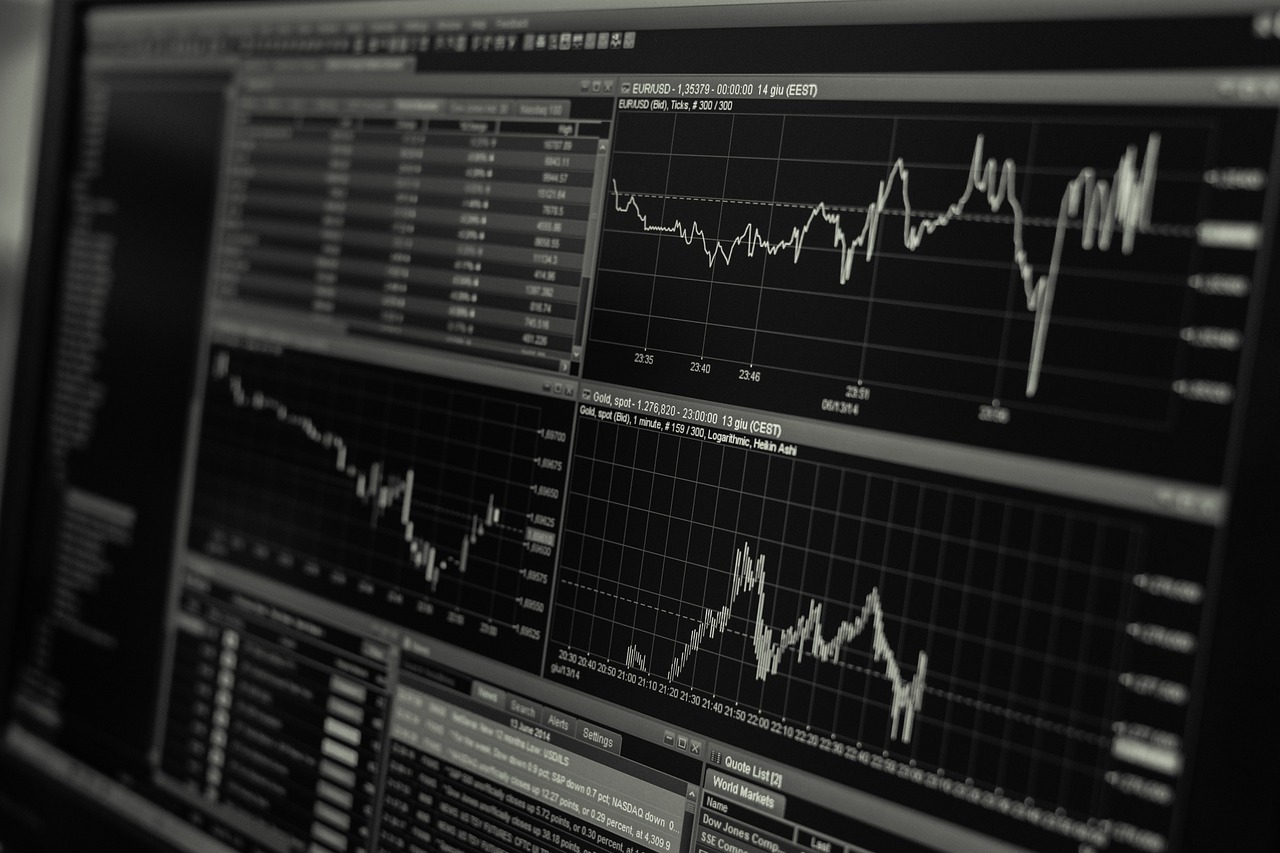
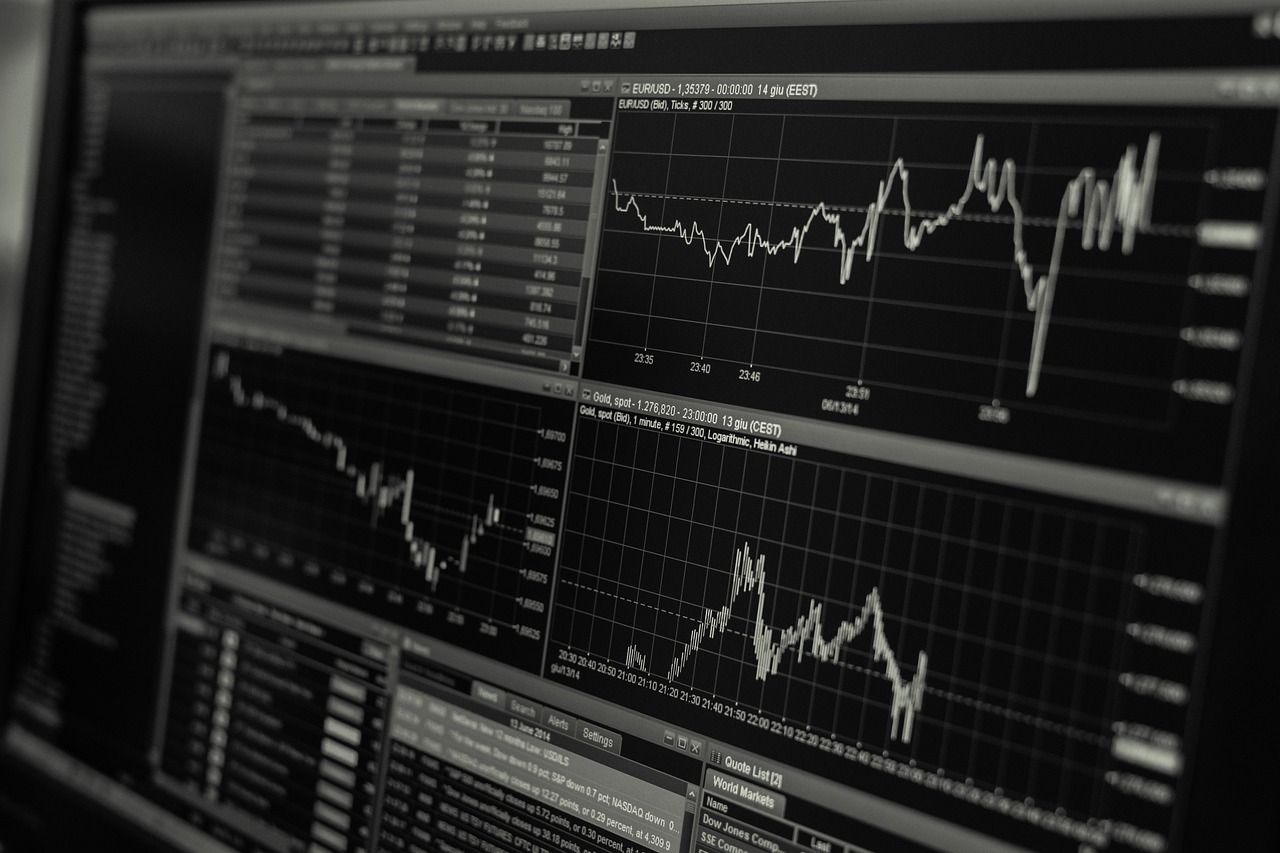
Technical analysis of major currency pairs provides insights into market sentiment and potential future price movements. The EUR/USD pair is forming a consolidation range around 1.1818, with an upward move towards 1.1862 appearing likely investmacro.com.
The MACD indicator supports this bullish scenario, with its signal line remaining above zero and pointing higher, reflecting sustained bullish momentum. On the H1 chart, the pair is developing the next upward wave towards 1.1860, with potential for a pullback towards 1.1818 before a renewed advance investmacro.com.
This technical analysis suggests that market participants are positioning for continued Dollar weakness, at least in the near term. The sustained buying pressure on EUR/USD reflects broader concerns about US trade policy and its potential economic impact.
Geopolitical Factors
Geopolitical developments have added another layer of complexity to the trade relationship between the US and China. Ongoing negotiations between the US and Iran on the nuclear program, with the next round taking place in Geneva, have created additional market uncertainty investmacro.com.
These negotiations have implications for global energy markets and could affect the broader geopolitical landscape in ways that impact US-China relations. The interconnected nature of global politics means that developments in one region can have ripple effects across multiple trade relationships.
The Middle East tensions that have contributed to elevated oil prices also affect the broader trade environment. These geopolitical factors create additional uncertainty that compounds the effects of trade policy disputes and makes market analysis more challenging.
Market Risk and Investment Strategies
The current environment of trade policy uncertainty has significant implications for investment strategies and risk management. The Fear & Greed Index standing at 11 (Extreme Fear) reflects the high level of market anxiety about the current trade situation [MARKET DATA].
Investors must navigate a complex landscape where traditional safe-haven assets may not provide the protection they have in the past. The US Dollar's traditional safe-haven status is being challenged by concerns about US trade policy, creating new dynamics in currency markets.
Diversification strategies may need to be adjusted to account for the increased correlation between different asset classes in times of trade policy uncertainty. The traditional relationships between currencies, commodities, and equities may be breaking down, requiring new approaches to portfolio management.
Future Outlook and Potential Scenarios
Looking ahead, several potential scenarios could unfold depending on how trade tensions between the US and China evolve. HSBC Global Research highlights that EUR/USD has been steady despite EU-US trade uncertainty, with much US policy risk already priced fxstreet.com.
The bank expects the pair to move back toward the upper end of its recent range without breaking higher, suggesting a period of consolidation rather than dramatic moves in the near term. This outlook reflects the complex interplay of factors affecting currency markets.
The potential for escalation or de-escalation in trade tensions remains significant. A breakthrough in negotiations could lead to a sharp reversal in current market trends, while further deterioration could exacerbate existing pressures on the US Dollar and other currencies.
The role of legal challenges to trade policies will likely continue to be important. The uncertain legal ground on which current policies stand could lead to significant changes if courts rule against the administration's approach fxstreet.com.
Implications for Global Trade
The ongoing US-China trade tensions have implications that extend far beyond the bilateral relationship. The uncertainty created by these disputes affects global supply chains, investment decisions, and economic growth across multiple regions.
Countries that are major trading partners with both the US and China face particular challenges in navigating the current environment. They must balance relationships with both economic superpowers while managing the impact of trade policy uncertainty on their own economies.
The potential for a shift in global trade patterns is significant. If current tensions persist, companies may accelerate efforts to diversify supply chains and reduce dependence on any single market or trading partner. This could lead to lasting changes in global trade flows.
Conclusion
The US-China trade tensions have created a complex and volatile environment for currency markets, with the US Dollar facing pressure from multiple directions. The combination of legal uncertainties, policy shifts, and geopolitical factors has made traditional market analysis more challenging and has required investors to adapt their strategies.
The current situation reflects a fundamental shift in the global economic order, where trade policy has become a more prominent tool of economic and geopolitical strategy. The impact of these changes extends far beyond currency markets, affecting everything from commodity prices to investment decisions to global supply chains.
As the situation continues to evolve, market participants must remain vigilant and adaptable. The potential for rapid policy shifts, legal challenges, and geopolitical developments means that the current environment is likely to remain volatile in the near term. Understanding the complex interplay of factors affecting currency markets will be crucial for successful navigation of this challenging landscape.