US-China Trade Tensions: A Deep Dive into Supply Chain Resilience and Geopolitical Risk
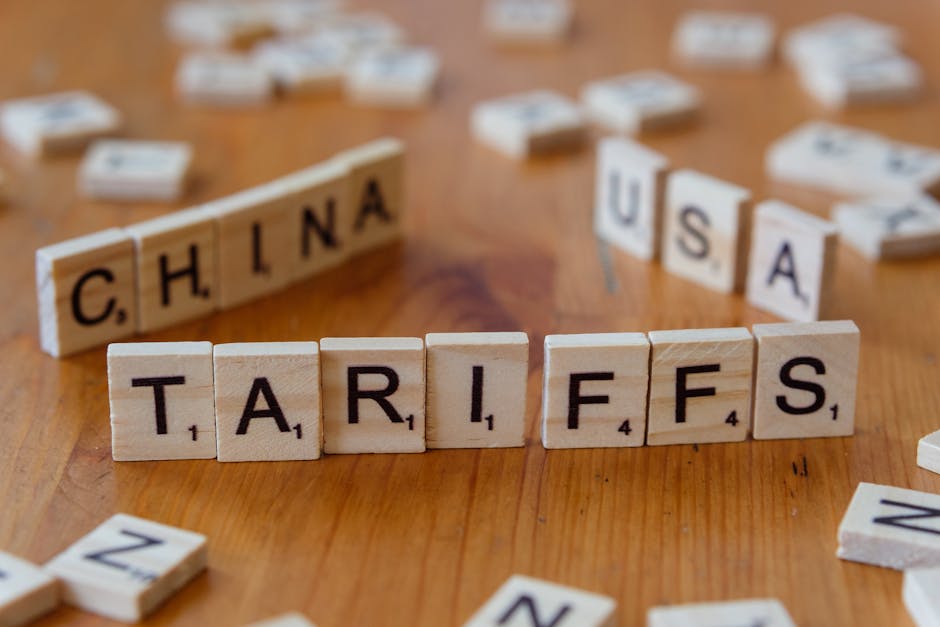
The global economic landscape remains deeply unsettled as US-China trade tensions continue to evolve, creating ripple effects across supply chains, currency markets, and geopolitical alliances. With the Fear & Greed Index registering at 11—indicating extreme fear among investors—the market sentiment reflects profound uncertainty about the trajectory of international trade relations and their impact on global economic stability.
The Current State of US-China Trade Relations
The trade relationship between the world's two largest economies has entered a new phase characterized by strategic maneuvering rather than outright confrontation. Recent developments suggest a complex interplay between legal constraints, economic realities, and geopolitical considerations that are reshaping how businesses and governments approach international commerce.
The Supreme Court's decision to cancel President Trump's large-scale "reciprocal" duties has significantly altered the administration's trade policy toolkit investmacro.com. This ruling effectively removes what was arguably the most potent tool for wielding trade policy as a flexible and immediate foreign policy instrument. The administration now faces the challenge of implementing trade measures through Section 122 of a different trade statute, which provides a more limited framework for imposing tariffs fxstreet.com.
This legal shift has created uncertainty in the market, as evidenced by the US Dollar's performance. The Dollar Index (DXY) has experienced volatility, trading around 97.50-97.75 as investors grapple with the implications of these policy changes fxstreet.comfxstreet.com. The currency's weakness reflects broader concerns about the effectiveness of US trade policy and its impact on economic growth prospects.
Supply Chain Resilience in the Face of Uncertainty
Businesses worldwide are reassessing their supply chain strategies in response to the evolving trade landscape. The uncertainty surrounding US tariff policy has prompted companies to explore diversification options and build greater resilience into their operations.
Several factors are driving this reassessment:
- Legal Uncertainty: The shift from IEEPA to Section 122 tariffs leaves the US administration on uncertain legal ground, with potential challenges and repayments ahead fxstreet.com. This creates a risk environment where businesses cannot rely on the stability of existing trade arrangements.
- Policy Volatility: Statements from US Trade Representative Jamieson Greer indicating that tariff rates for individual countries could be increased from the current 10% to 15% or higher, without specifying the criteria for such changes, add another layer of unpredictability investmacro.com.
- Geopolitical Tensions: Ongoing negotiations between the US and Iran on the nuclear program, with the next round taking place in Geneva, create additional uncertainty that affects global trade dynamics investmacro.com.
Companies are responding by:
- Increasing inventory buffers to protect against supply disruptions
- Diversifying supplier bases across multiple geographic regions
- Investing in supply chain visibility technologies to improve risk monitoring
- Exploring nearshoring and friend-shoring options to reduce exposure to geopolitical risks
Currency Market Implications
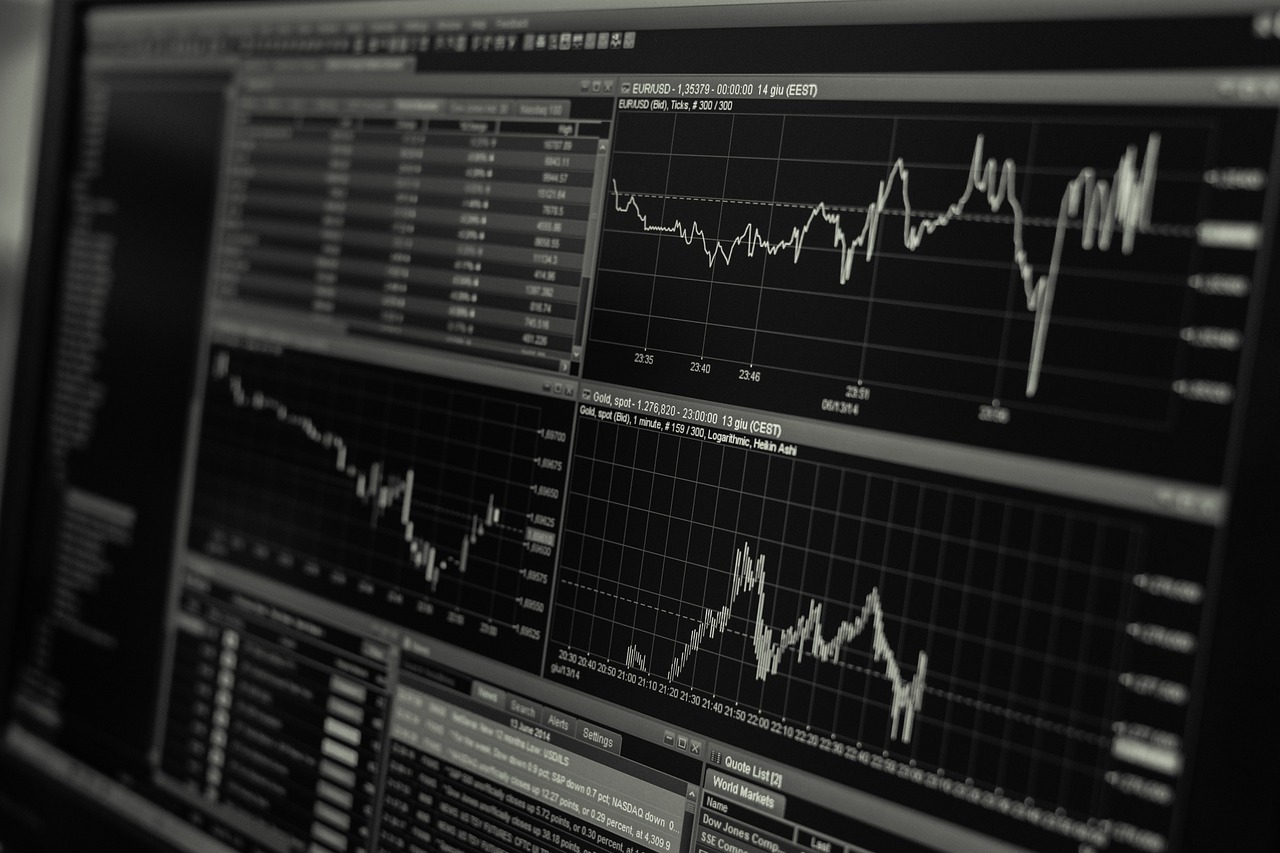
The trade tensions and associated policy uncertainty have had significant impacts on currency markets. The EUR/USD pair has risen for the second consecutive day, approaching 1.1819 as sentiment towards the US dollar remains under pressure investmacro.com. This weakness in the dollar reflects broader concerns about US trade policy and its potential impact on economic growth.
The technical analysis suggests that EUR/USD is forming a consolidation range around 1.1818, with potential for further upside movement towards 1.1862 and possibly 1.1888 investmacro.com. This bullish momentum is supported by the MACD indicator, which shows sustained positive momentum.
Other currency pairs are also reflecting the market's response to trade tensions:
- NZD/USD has extended gains for the third consecutive day, trading around 0.6000 as the US Dollar remains under pressure amid ongoing uncertainty over the White House's economic policies fxstreet.comfxstreet.com.
- USD/JPY has drifted lower to near 156.15 as the US Dollar softens against the Japanese Yen amid tariff uncertainty fxstreet.com.
- USD/CNY has fallen sharply after holidays, tracking a heavy USD/CNH as the market reflects a softer Dollar, better risk sentiment, and perceived policy tolerance for RMB appreciation fxstreet.com.
Monetary Policy Responses
Central banks are navigating a complex environment shaped by trade tensions, inflationary pressures, and economic uncertainty. The Federal Reserve has maintained a cautious stance, with expectations that interest rates will remain unchanged at the next meeting investmacro.com.
Federal Reserve President of the Bank of Richmond Thomas Barkin has stated that monetary policy is "well positioned" to deal with the risks around the economic outlook fxstreet.com. This suggests that the Fed sees current policy settings as appropriate for managing the uncertainties created by trade tensions.
In Europe, the European Central Bank is maintaining a data-dependent approach. ECB President Christine Lagarde has told the European Parliament that the euro area outlook remains subject to significant uncertainty, with activity expected to be supported by rising real incomes, a resilient labor market, and increased investment in defense, infrastructure, and digitalization fxstreet.com. However, higher tariffs, a stronger euro, and geopolitical tensions weigh on trade prospects.
The ECB projects that inflation will stabilize at the 2% target over the medium term, with wage growth expected to moderate to around 3% fxstreet.com. The central bank will maintain a meeting-by-meeting approach and is not pre-committing to a rate path, reflecting the uncertainty in the economic environment.
Commodity Market Dynamics
Commodity markets are also reflecting the tensions in global trade. West Texas Intermediate (WTI) Oil price remains steady around $65.40 per barrel amid ongoing United States-Iran tensions that threaten potential supply disruptions fxstreet.com. The oil market is particularly sensitive to geopolitical developments, and the ongoing nuclear talks between the US and Iran add another layer of uncertainty.
The oil market's stability despite these tensions suggests that traders are pricing in a range of potential outcomes from the negotiations. However, any significant breakthrough or breakdown in talks could lead to substantial price movements.
Geopolitical Risk Assessment
The US-China trade tensions cannot be viewed in isolation from broader geopolitical considerations. The ongoing negotiations with Iran, the strengthening of the Japanese Yen, and the resilience of the Canadian Dollar all reflect the complex web of relationships that shape global trade dynamics.
TD Securities' FX team sees the US Dollar tactically supported as a safe haven on Iran-related geopolitical risks and strong US data, with USD expected to stay bid versus EUR, AUD, and crowded G10 shorts fxstreet.com. This suggests that despite the overall weakness in the dollar, it retains its safe-haven characteristics in times of heightened geopolitical tension.
HSBC Global Research views USD/CAD as largely driven by the broader Dollar trend, with the pair trading slightly below levels implied by rate spreads, reflecting Canadian Dollar resilience fxstreet.com. Elevated Oil prices linked to Middle East tensions are supportive of the Canadian currency, highlighting the interconnected nature of commodity markets and currency valuations.
Strategic Implications for Businesses
The evolving trade landscape presents both challenges and opportunities for businesses operating in the global economy. Companies must develop strategies that balance risk management with growth opportunities in an uncertain environment.
Key strategic considerations include:
- Supply Chain Diversification: Reducing dependence on any single country or region for critical inputs or manufacturing capacity.
- Legal and Regulatory Compliance: Ensuring robust compliance frameworks to navigate complex and changing trade regulations.
- Financial Risk Management: Implementing hedging strategies to protect against currency volatility and trade policy changes.
- Market Intelligence: Developing sophisticated monitoring capabilities to track policy developments and their potential impacts.
- Stakeholder Communication: Maintaining transparent communication with investors, customers, and suppliers about risk management strategies.
Long-term Structural Changes
The current trade tensions may be accelerating long-term structural changes in the global economy. Several trends are becoming increasingly apparent:
- Regionalization of Trade: Companies are increasingly focusing on regional supply chains rather than global ones, reducing exposure to cross-border trade tensions.
- Technology Decoupling: The US and China are pursuing separate technology ecosystems, with implications for companies in the tech sector.
- Financial Market Fragmentation: The development of alternative payment systems and reserve currencies could reduce the dominance of the US dollar in international trade.
- Industrial Policy Revival: Governments are increasingly using industrial policy tools to support domestic industries and reduce dependence on foreign suppliers.
Market Sentiment and Investment Implications
The extreme fear reflected in the Fear & Greed Index suggests that investors are pricing in significant uncertainty about the future trajectory of trade relations. This sentiment is likely to persist until there is greater clarity about the legal framework for trade policy and the direction of US-China relations.
Investors should consider:
- Defensive Positioning: Maintaining exposure to defensive sectors that are less sensitive to trade tensions.
- Geographic Diversification: Spreading investments across multiple regions to reduce exposure to any single trade dispute.
- Currency Hedging: Implementing strategies to protect against currency volatility in emerging markets.
- Quality Focus: Prioritizing investments in companies with strong balance sheets and resilient business models.
Conclusion
The US-China trade tensions represent a fundamental shift in the global economic order, with implications that extend far beyond the bilateral relationship between the two countries. The legal constraints on US trade policy, the resilience of supply chains, the responses of central banks, and the broader geopolitical context all contribute to a complex and uncertain environment.
Businesses and investors must navigate this environment with careful attention to risk management while remaining alert to opportunities that may arise from structural changes in the global economy. The extreme fear reflected in market sentiment suggests that significant uncertainty remains, but it also may present opportunities for those who can identify and capitalize on the long-term trends shaping the future of international trade.
As the situation continues to evolve, the ability to adapt quickly to changing circumstances while maintaining a clear strategic vision will be critical for success in the global marketplace. The current period of uncertainty may well be remembered as a turning point in the development of a new economic order, one that will require new approaches to trade, investment, and international cooperation.