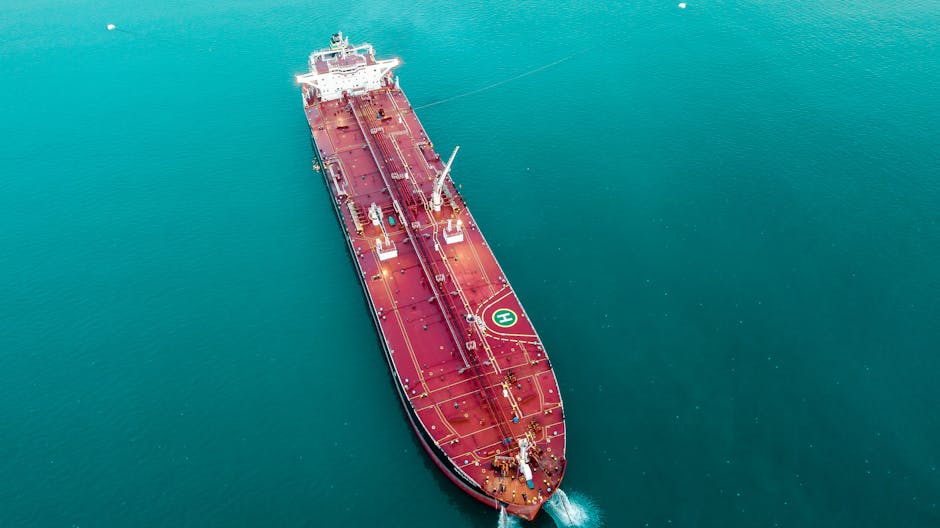
The intersection of geopolitical tension and decentralized finance has reached a new milestone with Iran’s launch of "Hormuz Safe," a state-backed maritime insurance platform that utilizes Bitcoin for settlement thedefiant.io. Developed by the Iranian Ministry of Economic Affairs and Finance, the platform is designed to provide insurance coverage and financial responsibility certificates for commercial vessels navigating the Strait of Hormuz and the Persian Gulf bitcoinist.com. By requiring premiums and settling claims in Bitcoin, Tehran is attempting to construct a financial infrastructure that operates entirely outside the traditional SWIFT-based banking system, which has been heavily restricted by Western sanctions crypto.news. This move represents a strategic effort to monetize one of the world’s most critical energy chokepoints, through which approximately 21 million barrels of oil flow daily, accounting for roughly 21% of global petroleum liquids consumption bitcoinist.com.
The Architecture of Hormuz Safe
The Hormuz Safe platform is framed as a comprehensive digital solution for maritime risk management. According to reports from the state-affiliated Fars News Agency, the system issues "fast and cryptographically verifiable" insurance policies decrypt.co. The platform’s operational model ensures that coverage is activated the moment a cryptocurrency payment is confirmed on the blockchain, providing shipowners with digitally signed receipts crypto.news. This digital-first approach is intended to streamline the insurance process, which has historically been bogged down by the exclusion of Iranian entities from international financial networks ambcrypto.com.
The scope of the insurance coverage is specifically tailored to the current regional climate. Initial phases of the program focus on risks such as vessel inspection, detention, and confiscation crypto.news. Notably, standard policies explicitly exclude damage resulting from direct military strikes or war, reflecting the high-risk nature of the corridor crypto.news. By focusing on administrative and regulatory risks, Iran aims to provide a layer of financial security for vessels that might otherwise be denied coverage by Western insurers due to sanctions compliance thedefiant.io.
Economic Projections and Revenue Goals
Iranian officials have set ambitious financial targets for the Hormuz Safe initiative. The Ministry of Economy projects that the platform could generate more than $10 billion in annual revenue if it successfully captures a significant portion of the regional shipping insurance market crypto.news blockonomi.com. This revenue goal is tied to the strategic importance of the Strait of Hormuz, which handles approximately one-fifth of the world's daily oil supply crypto.news.
The insurance plan follows earlier reports of Iran attempting to implement transit fees for vessels. In April 2026, reports surfaced that Iranian authorities were seeking Bitcoin payments from oil tankers, with fees estimated at approximately $1 per barrel of oil decrypt.co crypto.news. Some tankers reportedly faced demands of up to $2 million for safe passage during periods of heightened regional conflict crypto.news. While the Iranian government has at times denied active crypto toll collection, the launch of Hormuz Safe suggests a more formalized transition toward a crypto-settled maritime economy crypto.news.
Sanctions Evasion and Regulatory Headwinds
The primary driver behind the adoption of Bitcoin for maritime insurance is the circumvention of U.S. and international sanctions. By utilizing a decentralized ledger, Iran seeks to bypass the U.S. dollar-based financial system and the SWIFT messaging network, which provide Washington with significant leverage over global trade ambcrypto.com. Analysts observe that Bitcoin is particularly attractive to sanctioned states because it lacks a centralized issuer capable of freezing balances, unlike stablecoins such as Tether (USDT) crypto.news. This distinction became more relevant after U.S. authorities and Tether froze approximately $344 million in USDT tied to Iranian interests in late April 2026 crypto.news crypto.news.
However, the platform faces severe obstacles to widespread adoption. Compliance specialists warn that any shipping company or maritime operator utilizing Hormuz Safe would likely face immediate exposure to U.S. secondary sanctions decrypt.co. Such sanctions could result in the entity being expelled from the global financial system, making the platform a high-risk option for mainstream shipping firms decrypt.co. Furthermore, the transparency of the Bitcoin blockchain allows blockchain analytics firms to monitor and flag Iran-linked wallet addresses, potentially "tainting" the coins involved in these transactions decrypt.co.
Technical and Practical Challenges
Beyond the legal risks, the technical viability of a Bitcoin-settled insurance market for global shipping is under scrutiny. Analysts at Zeus Research suggest that while Bitcoin can facilitate niche trade workarounds, it remains impractical for large-scale maritime operations due to price volatility and limited liquidity decrypt.co. Additionally, the platform does not currently solve the issue of counterparty trust or the need for enforceable reinsurance, which are cornerstones of the traditional maritime insurance industry decrypt.co.
The situation is further complicated by reports of fraudulent activity. The maritime risk firm MARISKS has warned shipowners about scammers impersonating Iranian authorities and demanding Bitcoin or USDT for "clearance" through the Strait decrypt.co crypto.news. These fraudulent communications have reportedly led to dangerous situations, including at least one vessel coming under fire after engaging with scammers crypto.news. The lack of confirmed users for the official Hormuz Safe platform, despite its reported launch, underscores the uncertainty surrounding the initiative decrypt.co.
Geopolitical Context and Market Sentiment
The launch of Hormuz Safe occurs against a backdrop of extreme regional instability. Since late February 2026, U.S. airstrikes and naval blockades have significantly disrupted traffic through the Strait of Hormuz crypto.news. While some Chinese and Iranian-linked vessels have continued to transit the waterway, many commercial tankers have been redirected or blocked by U.S. naval forces reddit.com bitcoinist.com. Prediction markets currently reflect this volatility, with traders placing a 46.5% probability on Iran closing its airspace before June 2026 decrypt.co.
Despite these tensions, some market observers view Iran’s move as a bullish signal for the broader cryptocurrency market, as it demonstrates the increasing utility of Bitcoin in real-world economic infrastructure ambcrypto.com. At the time of the platform's announcement, Bitcoin was trading at approximately $76,685, though the global crypto market capitalization had seen a slight decrease of 1.54% to $2.56 trillion bitcoinist.com ambcrypto.com.
In summary, the Hormuz Safe platform represents a sophisticated attempt by Iran to leverage blockchain technology to maintain its economic relevance in the face of crippling sanctions. While the platform offers a theoretical path for bypassing Western financial controls and generating billions in revenue, it faces immense hurdles including secondary sanctions, technical scalability issues, and the inherent transparency of the Bitcoin ledger. As the Strait of Hormuz remains a central chokepoint for global energy, the success or failure of this Bitcoin-based insurance model will likely have significant implications for both international shipping and the future of state-sponsored cryptocurrency adoption.