The Reserve Bank of India (RBI) has intensified its cautionary stance on cryptocurrencies and stablecoins, advocating for stringent measures to shield the nation's banking sector from exposure to these digital assets [114] [129]. This position, articulated to the Parliamentary Standing Committee on Finance, underscores a broader global trend where central banks and regulators grapple with the integration of digital assets into traditional financial systems, often leading to divergent policy approaches and significant market implications [45] [114]. The RBI's recommendations highlight concerns over monetary sovereignty, financial stability, and the potential fragmentation of payment infrastructure, signaling a potential tightening of India's already cautious regulatory environment for digital assets [45] [114].
\n\nIndia's Central Bank Reinforces Crypto Containment Strategy
\nDuring a session with the Parliamentary Standing Committee on Finance, RBI Deputy Governor Rohit Jain and Executive Director P. Vasudevan presented the central bank's perspective, emphasizing that outright prohibition remains a recognized policy instrument globally [45] [114] [129]. The RBI specifically recommended that banks and other supervised financial entities be barred from purchasing, holding, or maintaining any exposure to digital assets, and that privately created stablecoins be completely excluded from regulated financial infrastructure [114]. This institutional separation is proposed to minimize systemic contagion risks within India's financial ecosystem [114].
\nThe central bank's concerns are rooted in the potential for foreign currency stablecoins to undermine monetary policy effectiveness, fragment India's unified payment infrastructure, and introduce financial stability risks [45] [114]. The RBI's Financial Stability Report explicitly flags these risks, noting that if individuals can rapidly convert into a dollar proxy at scale, the central bank's levers on rupee liquidity and interest rates could become less effective [45]. This stance aligns with the RBI's long-standing opposition to digital assets, which it views as posing a threat to India's economy [98].
\n\nEvolving Regulatory Landscape and Market Impact in India
\nIndia's journey with crypto regulation has been marked by significant shifts. The RBI's current position echoes a controversial 2018 directive that prohibited crypto banking relationships, a measure later overturned by India's Supreme Court in March 2020 [114] [129]. The Supreme Court acknowledged the RBI's preventive powers but questioned the proportionality, stating that the bank had not demonstrated adequate evidence of harm to supervised financial entities [114]. Following this, the RBI clarified that banks could still enforce customer identification, anti-money laundering (AML), and foreign exchange regulations [114]. This historical context now informs the ongoing legislative deliberations in Parliament [114].
\nDespite regulatory uncertainties, India has a substantial crypto user base. Registry data cited to lawmakers indicates 54 FIU-registered crypto service providers and approximately 3.93 crore (39.3 million) KYC-verified users holding crypto worth around ₹20,436.59 crore (approximately $2.45 billion USD at current exchange rates) [45]. This significant market presence, coupled with India ranking first in Chainalysis' 2025 Global Crypto Adoption Index, underscores the challenge for regulators in balancing innovation with financial stability concerns [129]. The RBI, however, has challenged the methodology behind private adoption rankings [129].
\nThe central bank also expressed concern that establishing conventional regulatory structures might unintentionally confer legitimacy on speculative digital assets, fostering unwarranted confidence among retail participants [114]. It requested lawmakers to distinguish between cryptocurrencies and regulated tokenized instruments, such as tokenized government debt and corporate bonds, suggesting a path for controlled tokenization within established frameworks while maintaining restrictions on broader cryptocurrencies [114].
\n\nGlobal Stablecoin Market Under Regulatory Scrutiny
\nThe RBI's push for stablecoin restrictions in India mirrors a global trend of increased regulatory oversight, particularly evident in the European Union with the Markets in Crypto-Assets (MiCA) framework [41] [45] [67]. MiCA, which took full effect on July 1, 2026, mandates that licensed crypto platforms in the EU can only offer stablecoins that comply with its requirements [2] [41] [67]. This has led to major platforms like Revolut discontinuing support for Tether's USDT stablecoin for European customers, with a hard deadline of August 31, 2026, for auto-conversion of remaining balances to fiat [2] [41] [67]. Other major exchanges, including Coinbase, Binance, Kraken, and Crypto.com, implemented similar limitations earlier in 2025 [41] [67].
\nTether's CEO, Paolo Ardoino, has voiced concerns that MiCA's stipulation requiring major issuers to maintain approximately 60% of reserves in EU banking institutions could introduce systemic vulnerabilities, indicating Tether's prioritization of expansion in alternative jurisdictions [41]. In contrast, Circle's USDC and its euro-pegged EURC have secured MiCA authorization, gaining a competitive advantage within European markets [41] [67]. Bridge, a fintech firm, also obtained dual regulatory licenses in Luxembourg, including MiCA crypto-asset service provider authorization and Electronic Money Institution registration, to scale its euro stablecoin payment infrastructure across the EU [122]. This regulatory clarity allows Bridge to offer compliant stablecoin infrastructure and euro payment capabilities to commercial entities [122].
\nThe global stablecoin market has grown significantly, reaching approximately $311.279 billion by early July 2026, with USDT and USDC dominating the market capitalization [45] [22]. However, new entrants like Open USD are attempting to disrupt this landscape. Open USD, a consortium-backed stablecoin by Open Standard, announced its launch with over 140 partners, including Visa, Mastercard, Coinbase, BlackRock, and Ripple [22] [30] [102]. Its model proposes returning most reserve earnings to partners after a small management fee, aiming to align economic incentives with distribution channels [22] [30]. This announcement reportedly caused Circle's stock to drop more than 17%, signaling perceived competition to USDC [22] [30]. However, Open USD's partner list has faced scrutiny, with some Korean firms questioning their inclusion without formal consultation [102].
\n\nImpact on Crypto Ecosystem and Market Participants
\nThe RBI's proposed restrictions, if implemented, could significantly impact India's crypto ecosystem. Indian exchanges, fintech applications dealing with crypto, OTC desks, and Web3 startups relying on stablecoins for payroll or treasury management would face tighter banking rails and increased compliance friction [45]. Retail users, particularly those using USDT or USDC for liquidity, might also experience reduced access [45]. The scenario could range from a banking squeeze with no formal ban, leading to slower on/off-ramps and wider spreads, to a comprehensive ban prohibiting issuance, custody, and trading of private stablecoins for residents [45].
\nGlobally, the regulatory environment continues to shape how crypto businesses operate. Brazil's central bank, for instance, has placed virtual asset service providers (VASPs) under the same rules as traditional securities brokerages, requiring them to meet capital, risk management, and disclosure standards similar to traditional financial intermediaries starting January 1, 2027 [138]. The European Securities and Markets Authority (ESMA) has also updated its MiCA register, adding 37 new licensed crypto-asset service providers, bringing the total to 280 [79] [97]. Germany leads Europe's MiCA licensing race with 59 authorized CASPs [97]. These developments underscore a global trend towards formalizing and regulating the crypto industry, albeit with varying degrees of restrictiveness.
\n\nBroader Crypto Market Trends and Price Action
\nAmidst these regulatory shifts, the broader cryptocurrency market has experienced mixed signals. Bitcoin (BTC) recently surged past the $62,000 threshold, driven by renewed spot Bitcoin ETF inflows of $221.7 million on July 2, ending a 10-day outflow streak that had drained over $2.7 billion from these investment vehicles [58] [112] [134] [146]. Fidelity's FBTC and ARK 21Shares Bitcoin ETF (ARKB) led these inflows, while BlackRock's IBIT saw a smaller withdrawal [58] [112]. This reversal in ETF flows, coupled with weaker-than-expected U.S. jobs data that dampened Federal Reserve rate hike expectations, contributed to a more favorable macro backdrop for risk assets [47] [58] [66] [106] [128] [130]. However, analysts like CoinShares warn that this still looks like the early stage of a bottoming process, not the start of a clean new leg higher [19]. JPMorgan also flagged a structural risk related to Strategy's (MicroStrategy) financing structure, suggesting that under certain conditions, the aggressive institutional accumulator of Bitcoin could become a forced seller [5] [68].
\nEthereum (ETH) has also shown signs of recovery, reclaiming the $1,700 mark and posting over 6% gains in a single day [57]. This resurgence coincided with $29.08 million in aggregate net inflows into U.S. spot Ethereum ETFs on July 2 [57]. A rare monthly TD Sequential buy signal emerged for ETH, historically preceding significant rallies [57]. However, large whale activity, including F2Pool co-founder Chun Wang depositing $17 million in ETH to Binance, indicates potential selling pressure [46] [71]. Solana (SOL) has also seen a strong bounce, pushing back above the $80 level, with Google Gemini AI predicting a price range of $150 to $200 by the end of 2026, driven by architectural upgrades like Firedancer and Alpenglow [48] [91]. A whale recently opened a 20x leveraged long position worth $18.81 million on SOL, reflecting growing confidence among leveraged participants [91].
\nMemecoins have continued to exhibit high volatility and speculative interest. PEPE climbed 14.06% after rebounding from recent lows, with spot market activity strengthening faster than derivatives participation [23]. BONK attracted even stronger participation, outperforming PEPE, while Dogecoin (DOGE) showed mixed signals with surging active addresses but persistent technical pressure [15] [23]. Dogecoin's net position delta climbing despite price weakness suggests accumulation, and a TD Sequential buy signal has emerged [44]. Newer memecoins like Memecore's M experienced a violent flush followed by a sharp rebound and a $10 million buyback pledge, leading traders to question if it's replacing the old dog-coin trade [60] [62]. ANSEM, a Solana memecoin, jumped over 13% as its holder count nearly tripled, though concentrated token allocation raises questions about long-term sustainability [88]. Fartcoin also surged 21% after its holder count reached a new record, but perpetual futures activity suggested potential for a pullback [77].
\nXRP has reclaimed the $1.10 threshold, with a Supertrend indicator triggering its first buy signal since mid-June [42] [84]. Institutional investment flows through ETFs have resumed, with U.S.-based XRP ETFs recording nearly $7 million in fresh inflows [42]. Claude AI's Fable 5 model predicts XRP could reach $5.00 by year-end if the CLARITY Act passes, or $0.85 if it fails, highlighting the legislative timing as a singular pivot [123]. The CLARITY Act, a crypto market structure bill, has seen improved support from the Major County Sheriffs of America, shifting their stance to "neutral" after discussions on developer protections [55] [64]. However, ethical concerns surrounding President Donald Trump's reported $1.4 billion crypto earnings in 2025, including over $630 million from his Official Trump memecoin, have led Senator Kirsten Gillibrand to call for a ban on elected officials issuing their own crypto tokens, potentially complicating the bill's passage [40] [55] [78].
\n\nAI and Tech Sector Overlap: Influencing Broader Market Sentiment
\nThe massive investments in artificial intelligence infrastructure continue to shape the broader tech market, indirectly influencing capital flows and investor sentiment across various asset classes, including crypto. Meta Platforms (META) saw its stock decline despite an internal AI breakthrough matching OpenAI's GPT-5.5, with the company anticipating capital expenditures between $125 billion and $145 billion in 2026 for processors and computing facilities [131]. Sam Altman's ChatGPT AI predicts Meta stock could reach $750 to $900 by December 2026, viewing Meta as an advertising business quietly becoming an AI infrastructure company [1]. However, execution risk, surging AI capital expenditure, and the cash burn from Reality Labs pose challenges [1].
\nOther tech giants are also heavily investing in AI. Microsoft unveiled a $2.5 billion AI deployment unit, Microsoft Frontier Company, to expand enterprise AI deployment work, assigning 6,000 industry and engineering experts [139]. Intel (INTC) received a significant endorsement with HSBC setting a $200 price target, citing Intel's position to deliver upside in server CPU shipments and its foundry business gaining traction [33] [107]. Credo Technology (CRDO) stock surged nearly 19% post-earnings, with its optical business expansion accelerated by acquisitions and strong revenue growth driven by AI infrastructure expansion [35]. Vertiv (VRT), a provider of thermal management and electrical infrastructure for data centers, saw its shares skyrocket approximately 86% since the start of the year, driven by robust demand and strategic ties to Nvidia [37].
\nNvidia (NVDA) itself faces pressure from Apple, with its stock sliding despite strong quarterly results and an $80 billion buyback program [115]. Competitors are developing proprietary silicon solutions, posing a primary threat to Nvidia's valuation [115]. Oracle (ORCL) stock declined despite impressive earnings, with concerns over its spending velocity and debt accumulation to fund AI infrastructure expansion [38]. Alibaba (BABA) prohibited its workforce from using Anthropic's Claude Code programming assistant due to security vulnerabilities, signaling a fracturing of global AI supply chains and a move towards indigenous AI platforms in China [119] [143]. These dynamics in the tech sector create a complex backdrop, where capital can rotate between traditional tech, AI-focused investments, and digital assets based on perceived risk and growth opportunities [10].
\n\nTokenization of Real-World Assets (RWAs) and DeFi Security
\nThe tokenization of real-world assets (RWAs) is emerging as a significant trend, bridging traditional finance with blockchain technology. Securitize, for instance, listed its common stock on the NYSE under the ticker SECZ and simultaneously issued tokenized versions of these shares on Solana and Avalanche [6] [65]. This initiative represents a working demo of on-chain equities stitched into traditional market plumbing, with approximately $295 million in tokenized SECZ reported at launch [6] [65]. The company also reported bringing over $4 billion in assets on-chain by June 2026 [6] [65]. This model aims to provide legal certainty and settlement control for DeFi, allowing voting and dividend rights to flow to token holders of record and enabling near-instant, programmable transfers [6]. However, it comes with stricter compliance gates, including KYC/AML and transfer restrictions enforced at the token level [6].
\nDespite advancements in tokenization and DeFi, security remains a critical concern. Recent exploits highlight the vulnerabilities within the ecosystem. The UXLINK exploit in September 2025 saw hackers create billions of illegal tokens, draining about $4.5 million in cryptocurrency assets by exploiting a 'delegateCall' vulnerability in a multisignature wallet [3]. The stolen funds were subsequently laundered through Tornado Cash, with the attacker depositing 14,336.6 ETH in the past two weeks [3]. Similarly, the Hinkal stablecoin privacy protocol was compromised due to a smart contract flaw, allowing an attacker to extract about $820,000 worth of USDC by manipulating its prooflessDeposit() function [32]. These incidents underscore the ongoing need for robust cross-network coordination and real-time threat detection to safeguard decentralization and user privacy [3].
The regulatory landscape for digital assets also extends to illicit activities. Tether recently froze USDT balances in 131 TRON addresses linked to ISIS-K, following a U.S. Treasury's OFAC designation [105]. This action demonstrated how stablecoin compliance can rapidly reach into on-chain balances through issuer controls [105]. However, three Monero addresses also on the sanctions list could not be frozen in the same way due to Monero's privacy-by-default design and lack of a central issuer [105]. This distinction highlights the varying degrees of censorship resistance and compliance mechanisms across different digital assets [105].
\n\nConclusion
\nThe RBI's renewed call for banks to avoid cryptocurrency and stablecoin exposure underscores a persistent tension between traditional financial stability concerns and the burgeoning digital asset market. While India contemplates a containment strategy, global regulatory frameworks like MiCA are actively reshaping stablecoin access and driving compliance. The broader crypto market continues to navigate complex dynamics, influenced by macro factors, ETF flows, and speculative trends in memecoins, alongside significant technological advancements in AI and RWA tokenization. The ongoing evolution of both regulatory approaches and blockchain technology will likely define the future integration, or separation, of digital assets within the global financial landscape.
\n", "title": "India's Central Bank Urges Banks to Shun Crypto and Stablecoins", "subtitle": "RBI's push for strict financial sector separation highlights global regulatory challenges amid evolving digital asset markets.", "seo_meta": { "description": "India's central bank advocates for banks to avoid crypto and stablecoin exposure, reflecting global regulatory tensions and market shifts.", "keywords": ["India crypto regulation", "RBI stablecoin ban", "MiCA framework", "Bitcoin ETFs", "AI crypto"] }, "image_search_terms": ["Indian rupee", "crypto regulation", "stablecoin market"] }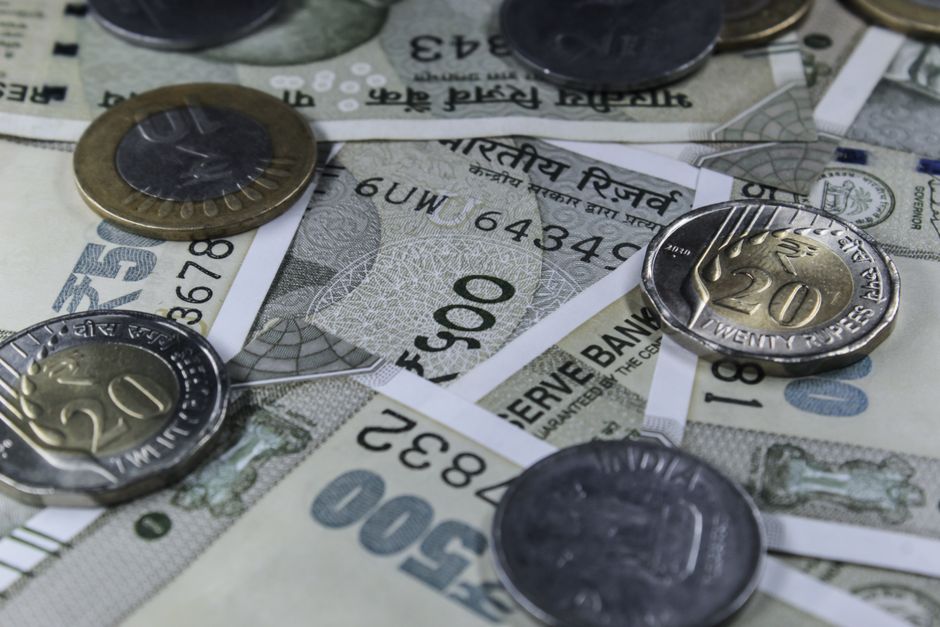
![[crypto] CBDC Prohibition Enters Force Without Presidential Signature in Constitutional Workaround](/uploads/thumbnails/crypto-cbdc-prohibition-enters-force.jpg)
![[crypto] Morning Minute: Vanguard Hires 'Head of Digital Assets' in Crypto Capitulation](/uploads/thumbnails/crypto-morning-minute-vanguard-hires-head-of-digital-assets-in-crypto-capitulation.jpg)