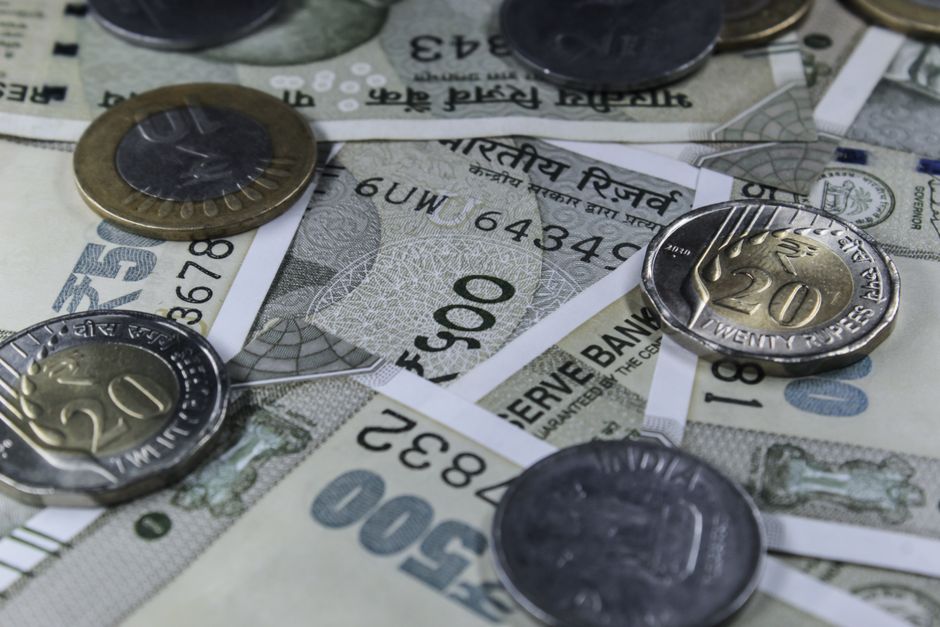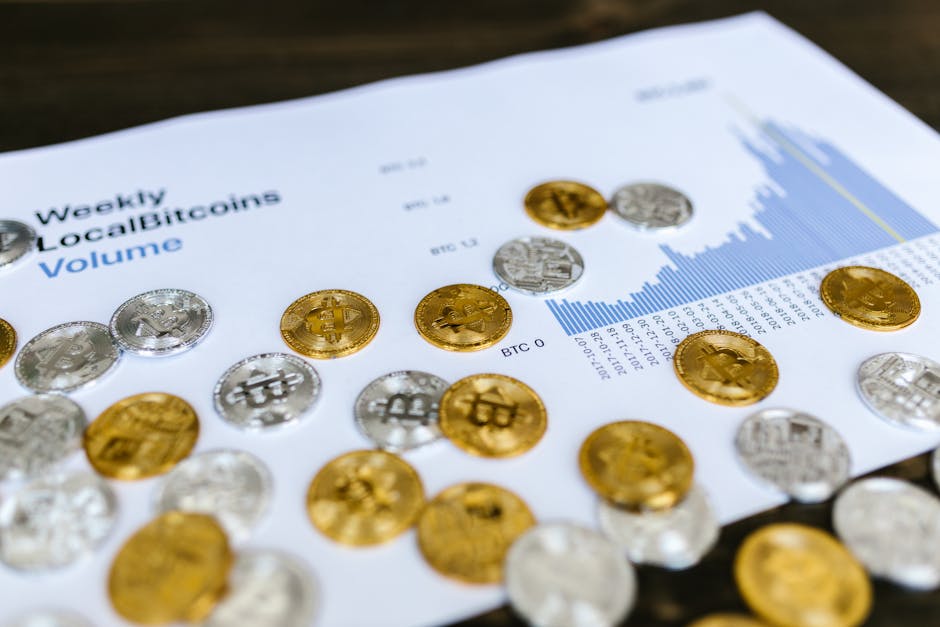
The Reserve Bank of India (RBI) is intensifying its long-standing campaign to prohibit cryptocurrencies, now gaining critical support from national tax authorities who cite systemic risks and widespread tax evasion cryptopolitan.com blockonomi.com. This regulatory hardening comes at a paradoxical moment for the industry; while India seeks to isolate digital assets from its formal financial system, global players like Ripple are navigating a complex landscape of high-profile marketing victories and sudden enterprise setbacks decrypt.co cryptonews.com. As major economies like the United States, Japan, and Singapore move toward structured regulatory frameworks, India’s persistent "leaning toward prohibition" highlights a significant divergence in how the world’s most populous nation views the future of decentralized finance ambcrypto.com.
India’s Regulatory Hardline and Tax Enforcement
India’s Income Tax Department has officially aligned with the RBI’s push for a restrictive crypto policy, citing the extreme difficulty of monitoring offshore trades and peer-to-peer transactions cryptopolitan.com. Government documents reveal a massive compliance gap: in the fiscal year ending March 2023, fewer than 25% of the 645,000 individuals who transacted in cryptocurrencies actually declared those gains on their tax returns blockonomi.com blockonomi.com. Authorities have flagged that trades routed through foreign exchanges and private wallets make it nearly impossible to identify beneficiaries or enforce the existing 30% tax on digital asset profits cryptopolitan.com ambcrypto.com.
The RBI’s concerns extend beyond tax evasion to the very core of India’s monetary sovereignty. The central bank argues that stablecoins pegged to foreign currencies, particularly the U.S. dollar, could undermine the government’s control over the money supply and reduce revenue from fiat currency issuance cryptopolitan.com ambcrypto.com. Furthermore, the RBI maintains that allowing regulated banks to hold or trade crypto could spread financial contagion across the country’s formal economy blockonomi.com. Despite this hardline stance, the Indian market remains substantial, with an estimated 39 million to 39.3 million KYC-verified users holding between $2.1 billion and $2.4 billion in digital assets cryptopolitan.com blockonomi.com. This has created a persistent legal limbo, as a 2021 draft bill to ban private cryptocurrencies was never introduced in Parliament, leaving the sector to operate under heavy taxation but without a clear regulatory roadmap cryptopolitan.com ambcrypto.com.
Ripple’s Strategic Duality: Marketing Wins vs. Enterprise Exits
While India moves toward exclusion, Ripple is aggressively pursuing brand visibility in the United States. The company recently signed a multi-year sponsorship deal with the University of Kansas Athletics, which will see the XRP logo featured on the jerseys of all Jayhawk athletic teams decrypt.co. The partnership, which reconnects Ripple President and KU alumnus Brad Garlinghouse with his alma mater, also designates XRP as the official cryptocurrency of Kansas Athletics and includes funding for educational programs on digital assets for student-athletes decrypt.co. This move follows a trend of crypto firms using sports as a premier platform for mass-market introduction, similar to Coinbase’s NBA sponsorship and Ledger’s deal with the San Antonio Spurs decrypt.co.
However, Ripple’s enterprise ambitions faced a notable setback as AngelList announced it would terminate its partnership with Rail—the B2B payments platform Ripple acquired for $200 million in 2025 cryptonews.com. Effective July 31, 2026, AngelList will remove all crypto payment options, including USDC, USDT, DAI, and ETH, directing its 800,000 accredited investors back to traditional ACH and wire transfers cryptonews.com. This exit by a major venture capital platform suggests that traditional financial rails still offer a level of simplicity and compliance predictability that current crypto payment stacks struggle to match cryptonews.com. Market sentiment reflected these challenges, as the price of XRP fell approximately 4.2% following the news, trading around $1.07—a 71% decline from its all-time high of $3.65 decrypt.co.
The Shift Toward Institutional Infrastructure
Beyond the headlines of bans and sponsorships, a fundamental shift is occurring in how financial institutions interact with digital assets. Rather than issuing their own branded tokens, many banks are moving toward building the "plumbing" or infrastructure for stablecoin settlements cryptodaily.co.uk. State Street recently launched the Stablecoin Reserves Money Market Fund (SSCXX), a Rule 2a-7 government fund designed specifically for stablecoin issuers to manage their reserves professionally cryptodaily.co.uk. This allows institutions to capture fees and manage risk without the retail and political pressure associated with issuing a private coin cryptodaily.co.uk.
The scale of this infrastructure is becoming systemically relevant. As of July 7, 2026, the total stablecoin market capitalization reached approximately $311.963 billion, with USDT maintaining a 59.04% dominance cryptodaily.co.uk. Partnerships like the one between MassPay and Coinbase are already enabling cross-border payouts in USDC across 180 countries, significantly reducing settlement times compared to traditional correspondent banking cryptodaily.co.uk. Even as Ripple faces enterprise churn, its underlying technology continues to evolve; the XRP Ledger recently underwent an Automated Market Maker (AMM) upgrade to refine pool behavior and execution, signaling that protocol development remains active despite the regulatory noise bitcoinist.com.
What to watch next: Market participants should monitor whether the Indian government finally introduces its long-delayed discussion paper on crypto regulation, which could either codify the RBI's prohibition stance or offer a path toward regulated growth. Additionally, the success of institutional reserve funds like State Street’s SSCXX will serve as a bellwether for whether the industry can successfully transition from speculative retail tokens to stable, bank-grade settlement infrastructure.