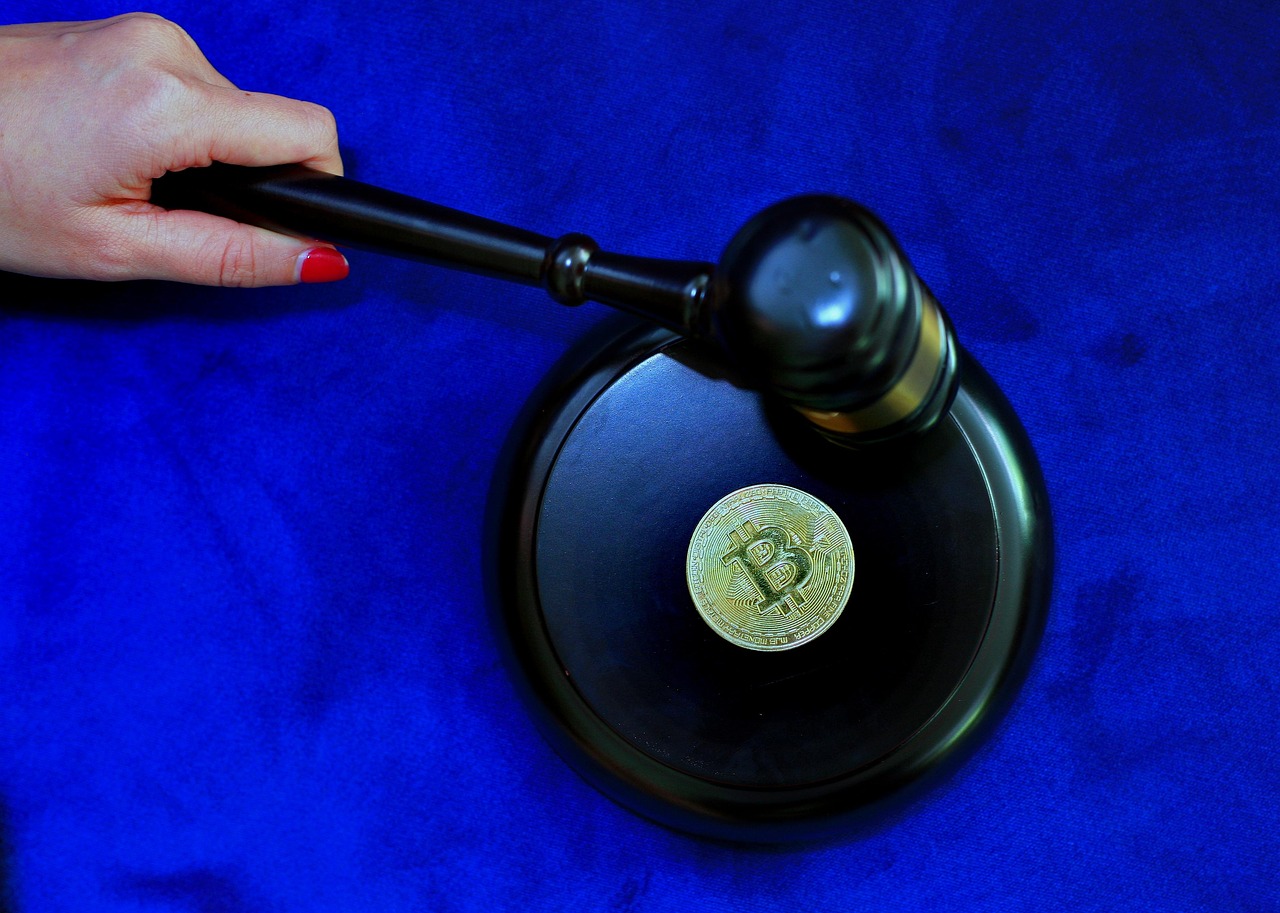
The United States digital asset landscape is facing a definitive legislative crossroads as the Senate Banking Committee prepares for a high-stakes markup of the Digital Asset Market Clarity Act (CLARITY Act). Against a backdrop of market uncertainty—reflected by a Fear & Greed Index of 38 (Fear) [Market Data]—lawmakers are racing to finalize a regulatory framework that would effectively block federal bailouts for digital assets while imposing strict new rules on stablecoin yields and official ethics [3, 9]. With the 2026 midterm elections looming, the crypto industry has responded with an unprecedented financial offensive, committing over $288 million to political action committees (PACs) to ensure the next Congress remains favorable to the sector [2].
The CLARITY Act: A Legislative Race Against Time
The CLARITY Act, a comprehensive market structure bill, is currently the focal point of Washington’s engagement with the digital asset industry. Having passed the House in July 2025 with a bipartisan 294–134 vote and clearing the Senate Agriculture Committee in January 2026, the bill has recently been stalled in the Senate Banking Committee over contentious stablecoin provisions [3].
Negotiators are now pushing for a markup session potentially scheduled for the week of May 11, ahead of the May 21 Memorial Day recess [3, 5]. Senators Cynthia Lummis and Bernie Moreno have issued warnings that failing to meet this window could delay comprehensive legislation until 2030, as the focus shifts toward the November midterms [5]. Senator Kirsten Gillibrand has predicted a full Senate vote could occur in the first week of August "if we’re lucky," provided the Banking and Agriculture versions of the bill are successfully merged [9].
The Stablecoin Yield Compromise
A primary hurdle for the CLARITY Act has been the treatment of stablecoin rewards. Recent compromise language unveiled by Senators Thom Tillis and Angela Alsobrooks seeks to narrow the options for crypto yield to prevent digital assets from competing directly with traditional bank deposits [3]. Key features of the current draft include:
- Yield Prohibition: A ban on offering yield "directly or indirectly" on stablecoin balances [3].
- Interest Equivalency: A prohibition on any rewards that are "economically or functionally equivalent to bank interest" [3].
- Scope: The rules would apply to issuers, exchanges, brokers, and affiliated entities, closing previous structural workarounds [3].
While the compromise may allow for rewards tied to promotional programs or platform activity, major U.S. banks have lobbied for strict limits, warning that unregulated token yields represent a form of "shadow banking" [3, 10].
Ethics and the 'Pay-for-Play' Debate
Beyond market structure, the bill’s progress hinges on new mandatory ethics rules. Senator Kirsten Gillibrand emphasized at the Consensus Miami 2026 conference that the legislation will not advance without provisions targeting financial conflicts among top government officials [9].
The proposed amendment would restrict members of Congress, high-ranking administration personnel, and the nation’s top two executive officers from holding financial stakes in digital assets [9]. Gillibrand described the current lack of oversight as the "worst form of pay-for-play" [9]. While the administration has rejected claims that President Donald Trump’s various crypto ventures—including a family-backed project and memecoin endorsements—constitute a conflict, the ethics component remains a non-negotiable requirement for bipartisan support [9].
The $288 Million Midterm War Chest
As legislative tensions rise, the crypto industry is deploying record-breaking capital to influence the 2026 midterms. The industry has committed over $288 million to the current cycle, more than double the $130 million spent during the 2024 election [2].
Fairshake and the Super PAC Ecosystem
Fairshake, the flagship super PAC backed by Coinbase, Ripple, and Andreessen Horowitz, currently holds approximately $221 million in unspent funds, making it the fifth most-funded PAC in the United States [1, 2]. The group’s strategy involves both supporting pro-crypto incumbents and aggressively opposing critics:
- Endorsements: Stand With Crypto has endorsed six incumbents for 2026, including Representatives Zach Nunn and Susie Lee [1].
- Opposition: The group is actively opposing Representatives Scott Perry and Marcy Kaptur [1].
- Primary Spending: A Fairshake-aligned group recently spent $514,000 in Indiana to support Representative James Baird, who won his Republican primary with 60.28% of the vote [10, 14].
- Strategic Attacks: Fairshake deployed $10.3 million to oppose Illinois Lieutenant Governor Juliana Stratton in a Senate primary [2].
The stakes for this spending are high; analysts suggest that if Democrats take either chamber in November, the odds of the CLARITY Act passing could drop to near zero, particularly if Senator Elizabeth Warren assumes the chair of the Senate Banking Committee [12].
Market Sentiment and Public Trust
Despite the massive political spending, the industry faces a significant "trust gap" with the American public. A Public First poll found that 45% of Americans believe investing in cryptocurrency is not worth the risk [10, 12]. Furthermore, only 3% of respondents recognized the Fairshake PAC, suggesting that while the money is influential in Washington, it has yet to shift broader public perception [12].
However, a separate HarrisX survey of 2,008 registered voters indicated that 52% of voters support the CLARITY Act, compared to only 11% opposition [6]. This support is often framed through the lens of national security, with 56% of voters believing that allowing foreign entities to control digital payment systems would weaken American security [6].
Institutional Shift and Regulatory Reversals
The push for regulation comes as the industry moves toward "TradFi" (Traditional Finance) standards. At Consensus 2026, Bitcoin lenders argued that for institutional capital to flow, crypto credit must resemble traditional banking, focusing on transparent custody and standardized contracts [4]. The bitcoin credit market has already grown to approximately $10 billion in less than a year [4].
Simultaneously, the SEC’s earlier enforcement-heavy approach is being challenged in court. The bankrupt exchange Bittrex has filed a motion to vacate a $24 million settlement, arguing the SEC has abandoned the legal theory that the tokens traded on its platform were securities [8]. This follows a broader trend under the current administration where the regulator has dismissed or paused several high-profile lawsuits against crypto firms [8].
Conclusion: A Pivotal May Window
The next two weeks are critical for the future of U.S. digital asset policy. With the Senate Banking Committee targeting a markup the week of May 11, the industry is balanced between the potential for statutory clarity and the risk of continued regulatory patchwork [3, 5]. While prediction markets like Polymarket put the odds of the CLARITY Act becoming law in 2026 at 55%, the window is rapidly closing as the August recess approaches [3, 9]. Whether through the passage of the CLARITY Act or the sheer force of a $288 million election spend, the relationship between Washington and digital assets is entering its most transformative phase to date.