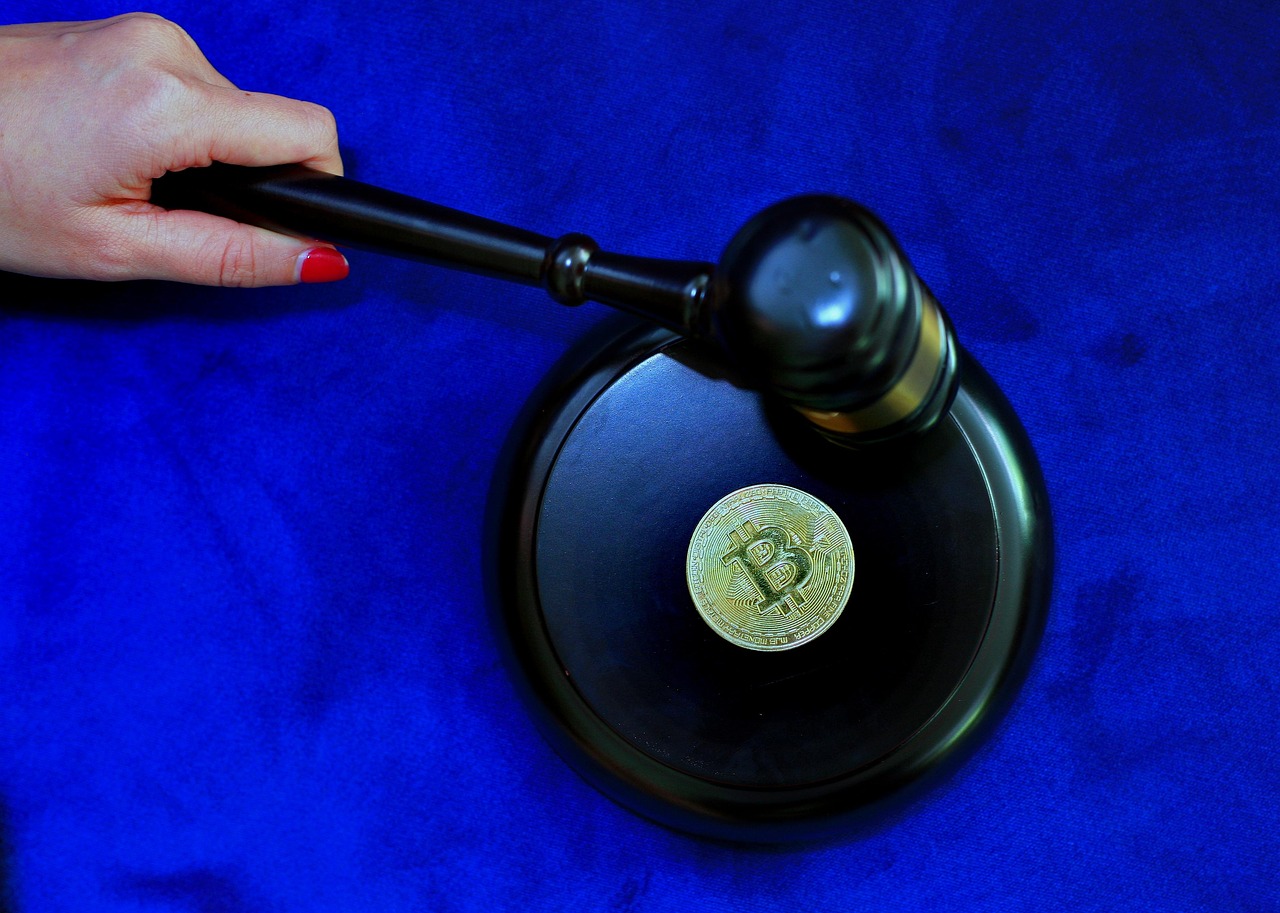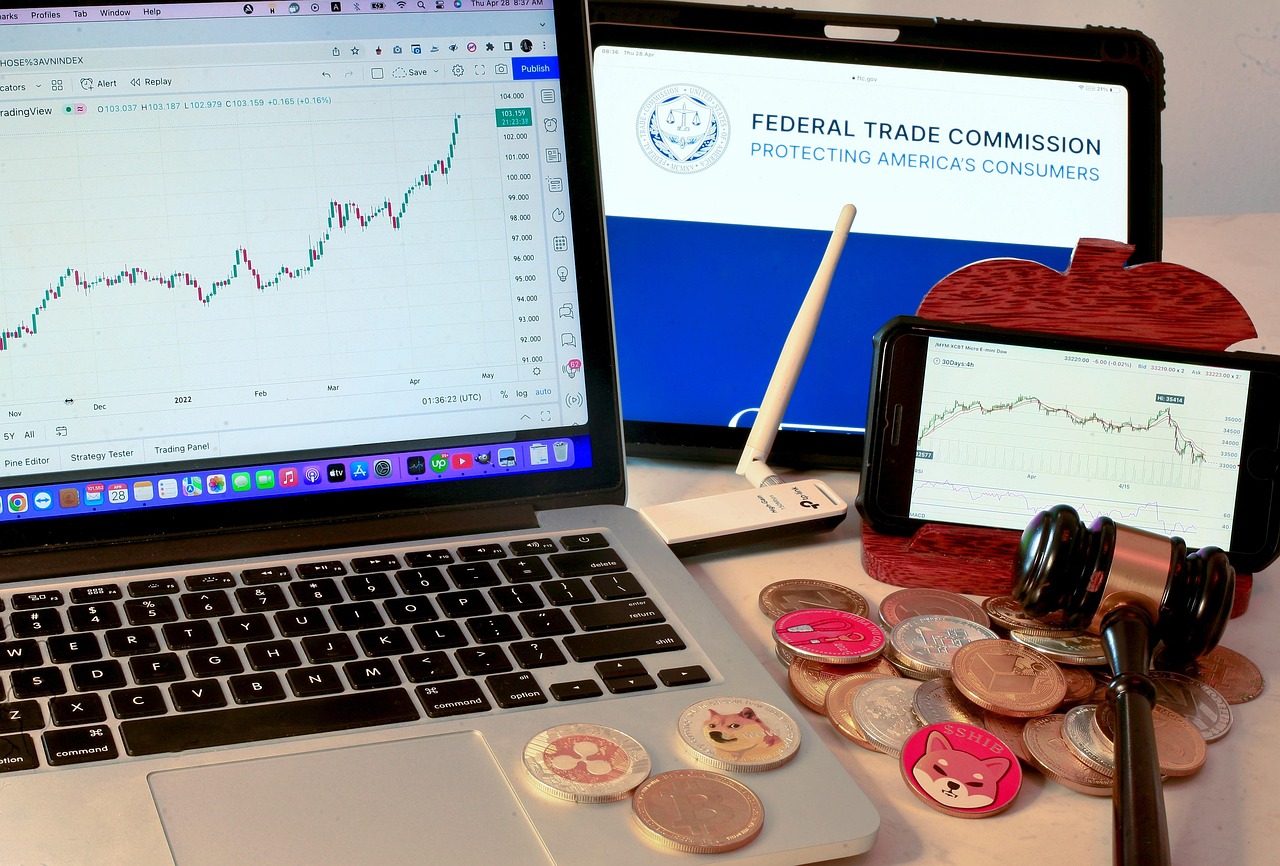
The long-standing stalemate between the U.S. banking sector and the digital asset industry appears to be reaching a fever pitch as the Senate returns from its Easter recess. At the heart of the tension is the Digital Asset Market CLARITY Act, a landmark piece of legislation that promises to establish the first comprehensive regulatory framework for cryptocurrencies in the United States [1]. While the bill has been stalled for months over the contentious issue of stablecoin yields, recent signals from Capitol Hill, the White House, and industry leaders suggest a compromise is finally within reach [6, 8]. With a narrowing legislative window before the 2026 midterm elections, negotiators are racing to finalize a deal that could reshape the future of American finance [10].
The Yield Dispute: A Battle for Deposits
The primary roadblock to the CLARITY Act’s passage has been a fierce disagreement over whether stablecoin holders should be allowed to earn interest or "yield" on their digital assets [3]. Traditional banking institutions, led by the American Bankers Association (ABA) and JPMorgan Chase, have lobbied aggressively against interest-bearing stablecoins, arguing that they pose a systemic risk to the traditional banking model [1, 7].
JPMorgan CFO Jeremy Barnum recently characterized yield-bearing stablecoins as a form of "regulatory arbitrage" [7]. Barnum argued that when a crypto platform offers a 5% yield while a bank offers 4.5% on a savings account, the difference is not technological innovation but rather the absence of costly regulatory safeguards such as capital requirements, deposit insurance, and liquidity obligations [7]. JPMorgan has previously warned that interest-paying stablecoins could put as much as $6.6 trillion in bank deposits at risk [7].
Conversely, the crypto industry, spearheaded by firms like Coinbase, views yield as a vital consumer benefit and a core component of the digital economy [1, 11]. Coinbase Chief Legal Officer Paul Grewal recently indicated that negotiators are "very close to a deal" on this issue, suggesting that the industry may be willing to accept tighter guardrails in exchange for the right to offer these products [1, 9].
White House Study Challenges Banking Lobby Claims
A significant shift in the debate occurred following the release of a study by the White House Council of Economic Advisers (CEA) [1]. The analysis concluded that prohibiting yield on stablecoins would do very little to protect bank lending, directly challenging the core argument of the banking lobby [1].
- The CEA found that a yield ban would increase total U.S. bank lending by only $2.1 billion, or approximately 0.02% of outstanding loans [1].
- Large banks would account for 76% of this marginal increase, while community banks with assets under $10 billion would contribute only $500 million [1].
- The study estimated a net welfare cost of roughly $800 million to households who would lose access to returns on tokenized dollars [1].
While crypto advocates have seized on these figures as proof that a blanket ban is economically unjustified, the ABA has pushed back, claiming the study asked the "wrong question" by focusing on the current $280 billion to $300 billion stablecoin market rather than a future market scaled to $1 trillion or $2 trillion [1, 11].
The Tillis-Alsobrooks Compromise
In an effort to break the deadlock, Senator Thom Tillis (R-N.C.) and Senator Angela Alsobrooks (D-Md.) have been working on a "compromise draft" of the CLARITY Act [9, 11]. Tillis announced plans to publicly release the draft text this week, noting that while banking groups remain apprehensive, progress has been made on anti-evasion and enforcement provisions [3, 11].
The proposed compromise may involve shifting from "passive yield" (interest paid simply for holding a balance) to "activity-based rewards," a structure designed to satisfy bank demands while allowing crypto platforms to maintain some level of user incentives [1, 11]. Tillis has even suggested hosting a "crypto-palooza" on Capitol Hill to bring both factions together in a public forum to force a final resolution [12].
Key Legislative Milestones
The CLARITY Act has already cleared several hurdles, but the path forward remains complex [8]:
- Passed the House in July 2025 with a 294 to 134 vote [8].
- Cleared the Senate Agriculture Committee in January 2026 [8].
- Awaiting a markup date from Senate Banking Committee Chairman Tim Scott [4, 8].
- Requires reconciliation between Senate and House versions before a final floor vote, which Ripple CEO Brad Garlinghouse expects by the end of May [6, 8].
Institutional Momentum and Market Convergence
Despite the legislative friction, the trend toward the convergence of traditional finance (TradFi) and digital assets continues to accelerate. Kraken co-CEO Arjun Sethi recently confirmed that the exchange has moved forward with a confidential IPO filing in the U.S. [2]. This disclosure coincided with a $200 million strategic investment from Deutsche Börse Group, which established a $13.3 billion valuation for Kraken's parent company, Payward [2].
Furthermore, the SEC recently approved a FINRA proposal to eliminate the $25,000 minimum equity requirement for "pattern day trader" accounts, replacing it with a real-time, intraday margin system [5]. Analysts note that this shift mirrors the risk-management structures long used by crypto exchanges, signaling that traditional markets are adopting the accessibility and flexibility of the digital asset sector [5].
The "Do-or-Die" Window
Legislative analysts warn that the CLARITY Act has entered a critical 14-working-day window [10]. As the 2026 midterm election cycle approaches, the political appetite for complex, bipartisan legislation typically wanes [1, 10]. White House crypto adviser Patrick Witt has signaled that the administration is eager for a win, stating that negotiations have cleared most "intractable" obstacles [6, 8].
The stakes for the market are high. JPMorgan analysts view the passage of the CLARITY Act as a positive catalyst for institutional scaling and tokenization [10]. Conversely, failure to pass the bill could leave U.S. firms in a state of indefinite legal uncertainty, potentially pushing liquidity toward foreign jurisdictions that already permit stablecoin yields [10, 11].
Remaining Hurdles
Even if the yield dispute is settled, Senate Democrats are reportedly holding out for stronger ethics language to prevent government officials from profiting from crypto, as well as more robust anti-fraud provisions for Decentralized Finance (DeFi) [10]. Additionally, both the SEC and CFTC are currently facing leadership shortages, with some lawmakers proposing that the CLARITY Act include provisions to mandate minimum staffing levels at these agencies before the law takes effect [13].
As the Senate Banking Committee prepares for a potential markup, the financial world is watching closely. The resolution of the stablecoin yield fight will not only determine the fate of the CLARITY Act but will also set the precedent for how the U.S. balances the protection of its traditional banking system with the inevitable growth of the digital asset economy [1, 7, 11].