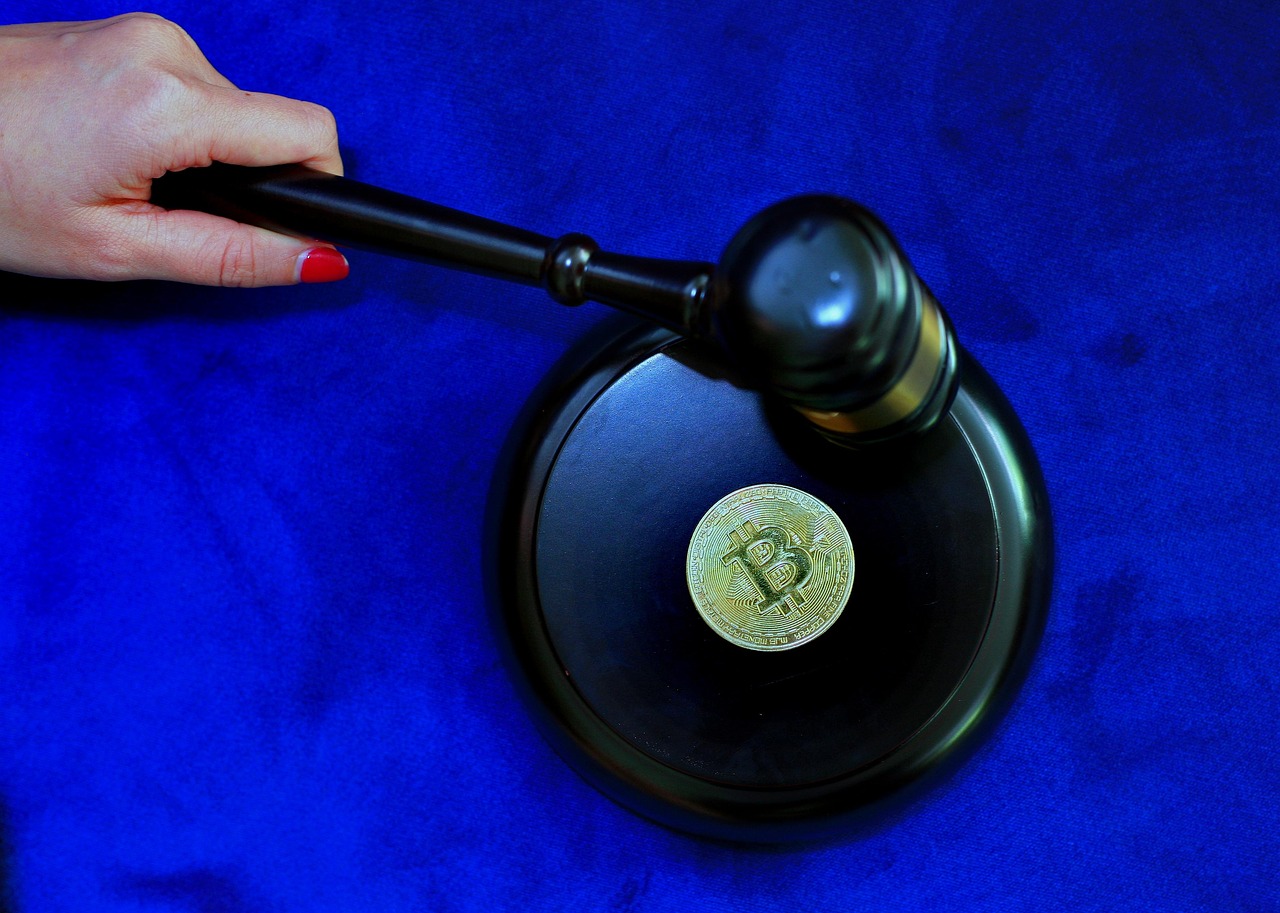
The intersection of digital finance and national sovereignty has reached a critical flashpoint as the United Kingdom government imposes an immediate moratorium on cryptocurrency donations to political parties, citing acute risks of foreign interference [7]. This regulatory crackdown in London stands in stark contrast to the burgeoning political landscape in the United States, where the crypto industry has committed a record-breaking $288 million to the 2026 midterm cycle—more than double the total spent in 2024 [2]. As the Fear & Greed Index sits at 38, signaling a climate of 'Fear' among investors, the legislative fate of the industry now hinges on a high-stakes race to pass the CLARITY Act before the looming August recess [8].
The UK Crackdown: Sovereignty vs. Digital Assets
The UK government's decision to ban crypto donations follows the findings of the Rycroft Review, which warned that the pseudonymous nature of digital assets could be exploited by foreign actors to influence British elections [7]. This move comes amid intense scrutiny of Reform UK leader Nigel Farage and his financial ties to crypto-linked figures. Farage recently faced demands to disclose a £5 million personal gift from Christopher Harborne, a Thailand-based investor with a 12% stake in stablecoin issuer Tether [7].
While Farage maintains the payment was an "unconditional, non-political, personal gift" intended for his security, the matter has been referred to Parliamentary Standards Commissioner Daniel Greenberg [7]. The controversy is compounded by Harborne’s history as a major donor; he previously contributed £12 million to Reform UK, including a single £9 million gift described as the largest from a living individual in British history [7].
Scrutiny of Reform UK and Crypto Ties
- Market Abuse Concerns: The Liberal Democrats have requested a Financial Conduct Authority (FCA) investigation into Farage’s promotion of Stack BTC, a firm where he holds a 6.31% stake through his media company [7].
- Institutional Holdings: Stack BTC, chaired by former Chancellor Kwasi Kwarteng, recently increased its Bitcoin holdings to 68 BTC after a $2.7 million purchase [7].
- Legislative Backlash: Harborne suggested his own donations may have inadvertently influenced the government's decision to restrict overseas political contributions [7].
The US Midterm Strategy: A $288 Million War Chest
While the UK retreats from crypto-political integration, US-based firms are doubling down. Industry-backed political action committees (PACs) have amassed over $288 million for the 2026 midterms [2]. Fairshake, the flagship super PAC supported by Coinbase, Ripple, and Andreessen Horowitz, currently holds approximately $221 million in unspent funds, making it the fifth most-funded PAC in the United States [2].
Mason Lynaugh, executive director of Stand With Crypto, recently outlined a strategy to engage 2.7 million advocates to ensure the 120th Congress is the "most pro-crypto session in America’s history" [1]. The group has already endorsed six incumbents for the 2026 cycle, including Representatives Zach Nunn and Susie Lee, while opposing critics like Scott Perry and Marcy Kaptur [1].
Strategic Spending and Primary Victories
The efficacy of this capital was demonstrated in Indiana’s 4th Congressional District, where Representative James Baird won his Republican primary following a $514,000 media blitz funded by the Fairshake-linked PAC, Defend American Jobs [9, 15]. Baird is a vocal supporter of the CLARITY Act and the GENIUS Act [15]. Conversely, Fairshake has deployed aggressive tactics against opponents, including $10.3 million spent to oppose Illinois Lieutenant Governor Juliana Stratton in a Senate primary [2].
The CLARITY Act: A Legislative Ultimatum
The central focus of this political spending is the Digital Asset Market Clarity Act (CLARITY Act). Senator Kirsten Gillibrand has warned that the bill requires mandatory ethics language to advance, specifically targeting financial conflicts of interest among high-ranking officials [8]. Gillibrand’s proposed amendment would restrict members of Congress and top executive officers from holding digital assets that could create "pay-for-play" scenarios [8].
The timeline for the CLARITY Act is increasingly compressed:
- May 21: The target for a Senate Banking Committee markup before the Memorial Day recess [4].
- August 10: The start of the August recess; failure to pass the bill before this date could push the legislative window to 2030 [4, 8].
- November Midterms: If Democrats take either chamber, analysts suggest the bill’s odds of passage drop to near zero, particularly if Senator Elizabeth Warren assumes the chair of the Senate Banking Committee [10].
Public Sentiment and the Trust Deficit
Despite the massive influx of political capital, the industry faces a significant trust deficit. A Public First poll found that 45% of Americans believe investing in cryptocurrency is not worth the risk [10]. Furthermore, only 3% of respondents recognized the name "Fairshake," suggesting that while the PAC has immense financial power, it lacks broad public brand awareness [10].
National security has emerged as a primary driver for voter support. A HarrisX survey of 2,008 registered voters revealed that 56% believe allowing foreign entities to control digital payment systems would weaken American national security [5]. This framing has helped the CLARITY Act maintain a 52% support rate among voters, bridging traditional partisan divides [5].
Emerging Risks: Scams and Quantum Threats
The push for regulation is underscored by a rise in sophisticated criminal activity. US authorities recently seized the domain of BG Wealth Sharing, a suspected $150 million crypto scam that targeted retail investors with promises of daily returns up to 2.6% [14]. In the UK, ten individuals were recently charged in a separate scam that drained £300,000 from a single victim [3].
Beyond immediate fraud, long-term technical threats are accelerating. Harvard researchers now suggest that fault-tolerant quantum computing is advancing 5 to 10 years faster than previously expected, with large-scale systems potentially arriving before the end of the decade [12]. This development poses a direct threat to current cryptographic standards, adding urgency to the call for modernized federal oversight.
Conclusion
The global crypto landscape is currently defined by a sharp divergence in political philosophy. The UK’s ban on crypto donations reflects a cautious approach centered on protecting democratic processes from foreign interference and opaque financial flows [7]. In contrast, the US industry is attempting to legislate its way into the mainstream through unprecedented political spending and a focus on national security as a catalyst for the CLARITY Act [2, 5]. With the Fear & Greed Index at 38 and a critical legislative window closing in August, the coming weeks will determine whether the industry’s massive financial bets will result in a clear regulatory framework or further political isolation [8, 10].

![[crypto] Senate Faces Tight Deadline to Vote on CLARITY Act Before August Break](/uploads/thumbnails/crypto-senate-faces-tight-deadline-to-vote-on-clarity-act-before-august-break.jpg)