The global financial landscape is currently undergoing a fundamental transformation as traditional messaging giants and multi-trillion-dollar asset managers pivot from cautious experimentation to live implementation of distributed ledger technology (DLT). This shift is most prominently evidenced by SWIFT’s transition of its blockchain-based ledger from a development phase to live pilot programs involving 17 of the world’s largest financial institutions ambcrypto.com. Unlike previous iterations of digital asset exploration that often focused on volatile public cryptocurrencies, this new era is defined by the rise of tokenized deposits and regulated stablecoins, designed to operate within existing compliance and risk management frameworks blockonomi.com. As institutional walls continue to dissolve, the integration of blockchain into the core of global finance suggests a move toward a 24/7, programmable, and highly regulated monetary system.
The SWIFT Ledger: Orchestrating Global Liquidity
SWIFT has officially moved its shared ledger infrastructure into active deployment, marking a significant milestone in the cooperative’s digital asset strategy. This platform acts as an orchestration layer, allowing participating banks to move tokenized deposits that are issued on their own proprietary ledgers ambcrypto.com. By connecting these disparate systems, SWIFT enables a seamless flow of value that bypasses the traditional limitations of banking hours and time zones. The ledger was developed and built in a remarkably short nine-month timeframe, incorporating direct feedback from international financial institutions to ensure it meets the rigorous demands of global trade blockonomi.com.
The primary objective of this live pilot is to facilitate 24/7 cross-border payments. Currently, while SWIFT reports that 75% of payments reach beneficiary banks within 10 minutes, the final settlement often remains tethered to legacy infrastructure that does not operate overnight or on weekends ambcrypto.com blockonomi.com. The new blockchain-based ledger allows customers to send funds at any time, with the shared ledger coordinating the transaction in real-time while the ultimate settlement eventually flows through established payment networks blockonomi.com. This hybrid approach ensures that banks can offer modern transaction speeds without abandoning the compliance, credit assessments, and risk management protocols that underpin the global financial system blockonomi.com.
A Global Coalition of Banking Giants
The scale of this initiative is reflected in the diversity and prestige of its participants. The 17-bank coalition spans six continents and includes many of the most influential names in banking: Citi, HSBC, Standard Chartered, UBS, Wells Fargo, BNY, BNP Paribas, DBS, Lloyds Bank, MUFG Bank, OCBC, UOB, ANZ, First Abu Dhabi Bank, FirstRand Bank, Itaú Unibanco, and Mashreq ambcrypto.com blockonomi.com. These institutions are not merely observing; they are preparing to execute actual transactions using tokenized deposit instruments during the supervised launch phase blockonomi.com.
For these banks, the trial represents a tangible pathway toward the adoption of tokenized currency. Analysts observe that the focus on tokenized deposits, rather than public stablecoins, is a strategic choice. Tokenized deposits remain on the banks' own ledgers, preserving the regulated relationship between the institution and the customer while utilizing the shared ledger for real-time coordination ambcrypto.com. This structure addresses corporate requirements for faster payment accessibility and improved liquidity management without moving funds outside the safety of the regulated banking perimeter blockonomi.com.
Institutional Capitulation: The Case of Sony and Vanguard
The momentum toward digital assets is not limited to the SWIFT network. Two major corporate developments highlight the shifting sentiment among traditional giants: Sony’s entry into the stablecoin market and Vanguard’s reversal on digital asset leadership. Sony Bank, the financial arm of the global entertainment conglomerate, has received preliminary conditional approval from the U.S. Office of the Comptroller of the Currency (OCC) to establish Connectia Trust, a national trust bank subsidiary cryptopolitan.com. This entity is being built for the sole purpose of issuing and managing U.S. dollar-denominated stablecoins, with a targeted launch in 2027 cryptopolitan.com.
Sony’s strategy is particularly notable because it seeks to become its own "issuer of record." By obtaining a federal charter, Sony can manage the issuance, custody, and redemption of its tokens under a single federal supervisor, avoiding the regulatory risks associated with third-party providers cryptopolitan.com. The company intends to utilize these tokens for its internal treasury operations, cross-border payments, and in-app purchases across its vast entertainment ecosystem, including video games, music, and movies cryptopolitan.com. This move places a non-financial commercial giant alongside established crypto firms like Circle and Paxos, signaling a new era where "ecosystem banks" leverage digital currency to reduce payment processing fees cryptopolitan.com.
Simultaneously, Vanguard, an $11 trillion asset manager long known for its staunch resistance to cryptocurrency, has signaled a major policy shift. The firm recently posted its first-ever job opening for a "Head of Digital Assets," a role tasked with building a multi-year roadmap covering tokenization, stablecoins, and blockchain settlement decrypt.co. This follows years of Vanguard refusing to allow its clients to trade spot Bitcoin ETFs, a stance that only began to soften in late 2025 decrypt.co. The hiring of a senior executive dedicated to this space is viewed by market observers as a final "capitulation" of the last major holdout in traditional finance decrypt.co.
Global Regulatory Divergence and Enforcement
As institutional adoption accelerates, regulatory bodies worldwide are racing to establish frameworks that balance innovation with security. In the European Union, the transition period for the Markets in Crypto-Assets (MiCA) regulation ended on July 1, 2026, prompting the European Securities and Markets Authority (ESMA) to launch a comprehensive review of crypto custody services blockonomi.com. This review, which will run through the first half of 2027, focuses on how authorized firms protect client assets and manage the digital operational resilience of their technology frameworks blockonomi.com.
In contrast to the EU’s structured approach, other nations are taking more aggressive or restrictive stances. India’s central bank has recently reiterated its preference for prohibiting crypto entirely, recommending that financial institutions be barred from holding or trading private stablecoins to prevent risk spillover into the traditional economy decrypt.co. Meanwhile, Russia is moving in the opposite direction, amending its "digital currency" bill to allow the use of cryptocurrencies for international settlements and the purchase of securities outside of public offerings cryptopolitan.com. The Russian legislation sets high bars for coin circulation, generally requiring a market cap of over 5 trillion rubles (approximately $65 billion) and a five-year trading history, which currently limits legal access primarily to Bitcoin and Ethereum cryptopolitan.com.
Surveillance and the Fight Against Illicit Finance
The need for robust regulation is underscored by the persistent challenge of financial crime. Interpol recently concluded "Operation First Light 2026," a massive global crackdown that resulted in 5,811 arrests and the interception of $293 million in illicit assets decrypt.co. One standout case involved a 20-year-old’s wallet that moved $122.5 million in just 10 months, laundering funds stolen from "pig butchering" romance scams decrypt.co. These criminal syndicates increasingly use cross-chain swaps and stablecoins on low-fee networks to fragment their movements and evade detection decrypt.co.
To combat this, nations like Kenya are investing heavily in blockchain surveillance technology. The Capital Markets Authority (CMA) of Kenya is seeking a platform capable of monitoring transactions across more than 20 blockchain networks in real-time blockonomi.com. This system will automatically flag suspicious wallet addresses, tumbling services, and entities on international sanctions lists, providing the regulator with the tools needed to enforce the country’s new Virtual Assets Service Providers Act blockonomi.com. Kenya has emerged as a significant market, receiving an estimated $19 billion in cryptocurrency between mid-2024 and mid-2025, making it the fourth-largest market in Africa blockonomi.com.
Technological Frontiers: Standards and Privacy
While SWIFT and Sony focus on the institutional layer, the underlying technology continues to evolve to meet the needs of developers and privacy advocates. Base, the Ethereum Layer 2 network incubated by Coinbase, recently introduced the B20 token standard blockonomi.com. This protocol-native framework allows for the streamlined creation of stablecoins and real-world assets (RWAs) without requiring custom smart contract deployment blockonomi.com. The B20 standard includes built-in regulatory features, such as the ability for issuers to freeze or seize assets if required by law, and supports gasless approvals to improve the user experience blockonomi.com.
In the realm of privacy, Zcash is nearing the deployment of its "Tachyon" upgrade, which aims to scale private transactions to thousands per second decrypt.co. A key component of this upgrade is the "Ironwood" shielded pool, which developers are working to prove is free of the hidden counterfeiting vulnerabilities that have historically plagued privacy coins decrypt.co. This focus on "mathematical proof" of soundness is critical for maintaining market confidence in digital assets that prioritize anonymity decrypt.co.
Mainstream Visibility and Market Sentiment
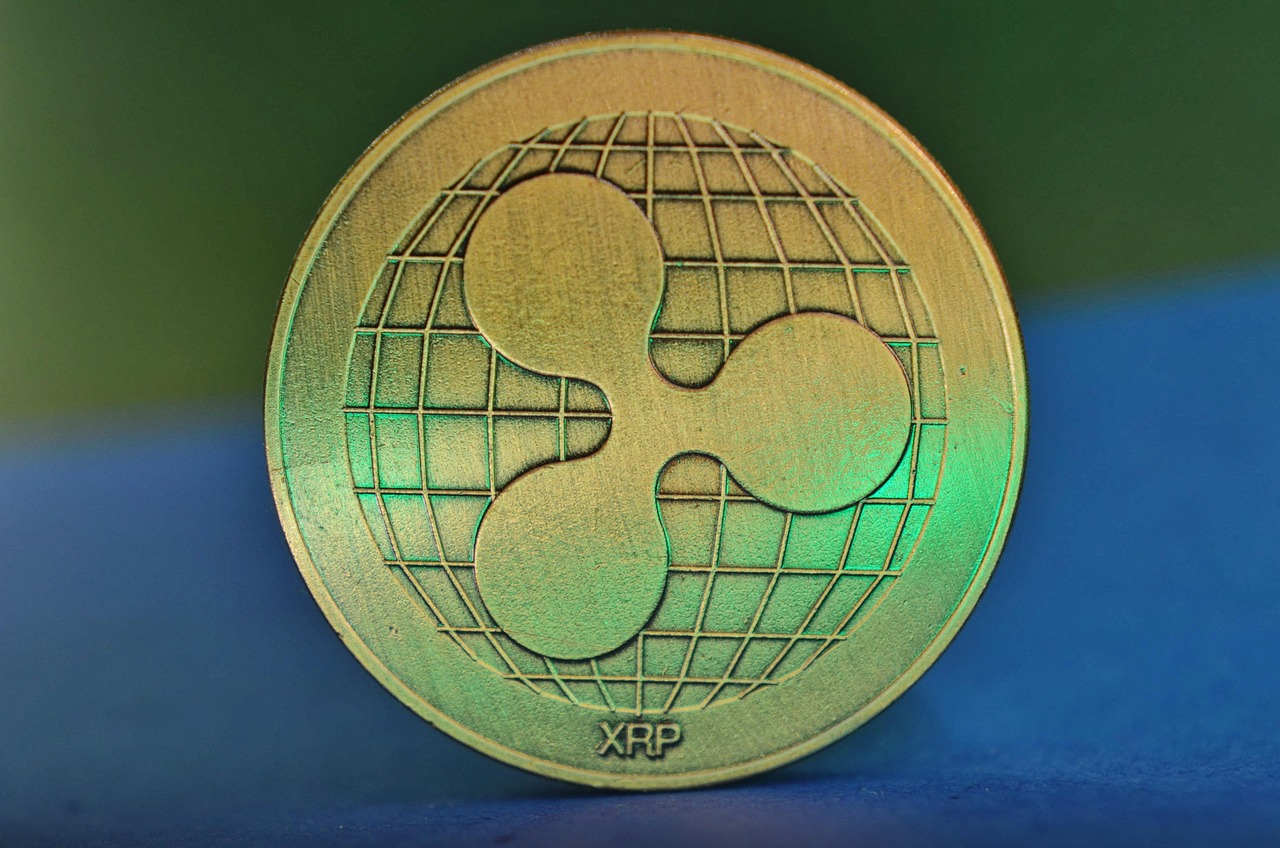
The push for adoption is also manifesting in high-profile marketing efforts. Ripple, the company behind the XRP Ledger, has signed a multi-year sponsorship deal with the University of Kansas Athletics decrypt.co. The agreement will see the XRP logo placed on the jerseys of all Kansas athletic teams and establishes XRP as the "official cryptocurrency" of the Jayhawks decrypt.co. Beyond branding, Ripple will fund educational programs for student-athletes focused on traditional and digital finance decrypt.co.
Despite these visibility gains, the broader market remains sensitive to macroeconomic and geopolitical pressures. Recent escalations in the Middle East and the end of a ceasefire between the U.S. and Iran led to a sharp selloff in major cryptocurrencies, with Bitcoin and Ethereum both dropping around 2% in a single day decrypt.co. Furthermore, the "Coinbase Premium"—the price difference between Bitcoin on U.S. and offshore exchanges—has been negative for 50 consecutive days, suggesting that domestic demand in the United States remains weak despite the institutional progress being made decrypt.co.
Conclusion: The Convergence of Two Worlds
The simultaneous launch of SWIFT’s blockchain ledger trial and the entry of corporate giants like Sony and Vanguard into the digital asset space marks a definitive end to the era of blockchain as a fringe technology. The focus has shifted from speculative trading to the practical application of tokenized deposits and regulated stablecoins to solve real-world liquidity and settlement challenges ambcrypto.com cryptopolitan.com. While regulatory hurdles and the threat of illicit finance remain significant, the coordinated efforts of 17 global banks and the development of sophisticated surveillance tools suggest that the infrastructure for a digital-first financial system is being built with a focus on compliance and stability blockonomi.com blockonomi.com. As these pilots transition into permanent fixtures of the global economy, the distinction between "traditional" and "digital" finance is likely to become increasingly obsolete.