The Emergence of SoFiUSD: A New Paradigm for National Banks
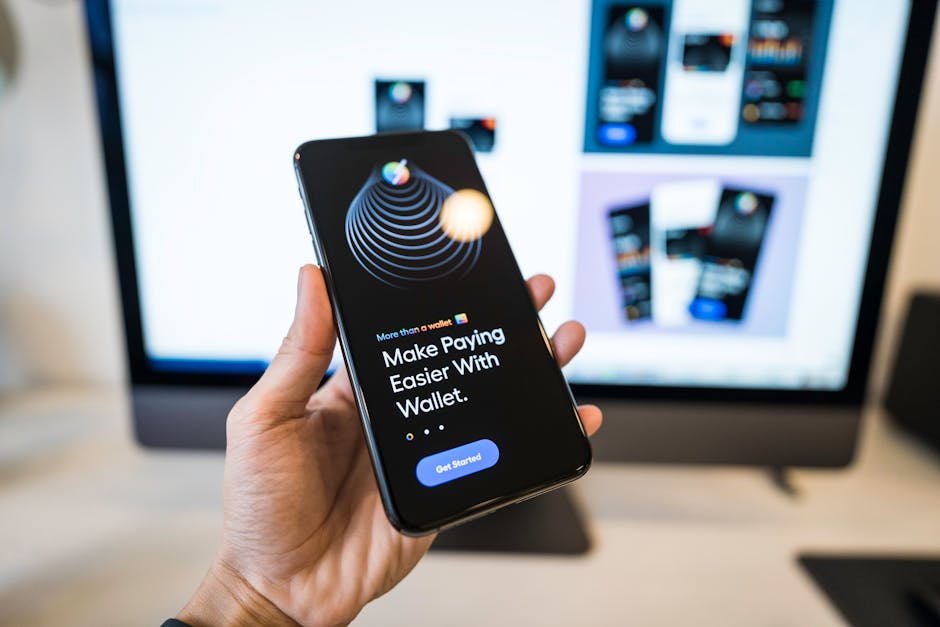
SoFi’s introduction of SoFiUSD marks a departure from the strategies employed by larger legacy institutions. While firms like JPMorgan Chase have developed blockchain-based settlement systems such as JPM Coin, those initiatives have remained largely confined to private, permissioned networks for institutional treasury movements thedefiant.io ambcrypto.com. In contrast, SoFi is embedding its stablecoin directly into the daily banking experience of its 14.7 million members, allowing them to buy, sell, hold, and convert the asset within the same application they use for borrowing and investing thedefiant.io decrypt.co.
The technical foundation of SoFiUSD relies on public blockchain networks, specifically Ethereum and Solana crypto.news. By choosing these networks, SoFi is leveraging existing decentralized infrastructure rather than building a closed-loop system, which analysts suggest reflects a growing institutional comfort with public ledgers ambcrypto.com. The stablecoin is backed 1:1 by liquid assets held at SoFi Bank, including cash held at the Federal Reserve, with reserves subject to regular attestations by independent U.S.-licensed CPAs thedefiant.io decrypt.co.
Strategic Integration and Future Roadmap
The consumer rollout of SoFiUSD is the culmination of a strategy that began with enterprise-level testing. The asset originally debuted in December 2025 for business partners, including card networks and retailers blockonomi.com thedefiant.io. Following this, SoFi launched "Big Business Banking" on Solana in April 2026, enabling corporate clients to manage fiat and crypto transactions through a single regulated entity thedefiant.io crypto.news.
Looking ahead, SoFi has outlined a comprehensive roadmap for SoFiUSD that includes:
- Tokenized Deposits: Plans to allow members to convert stablecoin balances into interest-bearing deposit accounts that may qualify for FDIC insurance under specific terms crypto.news blockonomi.com.
- Cross-Border Transfers: Enabling 24/7 international money movement using blockchain rails to bypass traditional banking delays decrypt.co blockonomi.com.
- Institutional Liquidity: Listing SoFiUSD on the Bullish exchange to support high-volume trading and institutional market participation blockonomi.com crypto.news.
- Card Settlement: A partnership with Mastercard aims to use SoFiUSD as a settlement currency across its global network, potentially allowing SoFi’s Galileo platform to offer similar capabilities to other banks thedefiant.io crypto.news.
Cash App and the Expansion of USDC Support
While SoFi focuses on its proprietary token, Block’s Cash App has taken a different approach by integrating Circle’s USDC, the largest U.S.-based stablecoin blockonomi.com. Cash App has introduced support for USDC transactions across four major blockchain networks: Solana, Ethereum, Polygon, and Arbitrum blockonomi.com. This move is significant given that Cash App serves approximately 59 million monthly active users blockonomi.com.
The integration is designed for maximum simplicity. Users can send and receive USDC directly from their standard dollar balances without needing to manage a separate cryptocurrency wallet or navigate different blockchain protocols blockonomi.com thedefiant.io. When USDC is received, Cash App automatically converts it into U.S. dollars, reflecting it as a conventional balance rather than a distinct digital asset blockonomi.com decrypt.co. This differs from competitors like PayPal’s Venmo, which displays its PYUSD stablecoin as a separate entry in a dedicated crypto section blockonomi.com decrypt.co.
The Philosophy of "Money 1.0" to "Money 2.0"
The adoption of stablecoins by Block represents a notable shift in product direction, especially considering co-founder Jack Dorsey’s historical skepticism toward stablecoins, which he once described as merely shifting dependency between gatekeepers decrypt.co blockonomi.com. However, Block’s leadership now frames stablecoins as a "complementary option" and a bridge between legacy systems and Bitcoin blockonomi.com blockonomi.com.
Miles Suter, Block’s Bitcoin Product Lead, articulated a framework where traditional fiat is "Money 1.0," Bitcoin is "Money 2.0," and stablecoins serve as the connecting infrastructure blockonomi.com blockonomi.com. Despite the USDC expansion, Block remains focused on Bitcoin as the "native currency of the internet," continuing to support its Bitkey self-custody wallet and Proto mining hardware blockonomi.com decrypt.co.
The Role of Solana in Consumer Payments
Both SoFi and Cash App have prioritized the Solana network for their stablecoin initiatives, highlighting the network's growing reputation for retail-scale utility cryptodaily.co.uk crypto.news. While Solana was previously known for high-throughput trading and NFT volume, its low fees and fast finality are increasingly being viewed as the "killer app" for everyday payments cryptodaily.co.uk.
Stablecoin transactions on Solana offer several advantages over traditional card networks:
- Settlement Speed: Transactions reach finality in seconds, compared to card networks where clearing can take days cryptodaily.co.uk.
- Cost Efficiency: Network fees on Solana are typically a fraction of a cent, whereas card networks involve a complex stack of percentage-based merchant fees cryptodaily.co.uk.
- Programmability: On-chain settlement allows for automated loyalty points, refunds, and revenue sharing to be codified directly into the transaction cryptodaily.co.uk.
The integration of USDC on Solana is further supported by tools like Solana Pay, which uses a simple QR code schema for point-of-sale checkouts cryptodaily.co.uk. Major payment processors like Visa have also signaled confidence in this infrastructure by expanding USDC settlement pilots to the Solana network cryptodaily.co.uk.
Global Infrastructure and Institutional Adoption
The expansion of stablecoins is not limited to consumer apps; it is also reaching deep into global payout infrastructure. Circle has recently partnered with Nium to link USDC-based settlement with local-currency payouts in over 190 countries and 100 currencies blockonomi.com crypto.news. This partnership allows financial institutions to use the Circle Payments Network (CPN) for real-time on-chain tracking while delivering funds to traditional bank accounts, wallets, and cards blockonomi.com blockonomi.com.
The Circle Payments Network has already reached $8.3 billion in annualized transaction volume, reflecting a significant rise in institutional adoption blockonomi.com blockonomi.com. By using stablecoins for cross-border movement, firms can reduce the need for pre-funded accounts in multiple regional corridors, which has historically been a costly and slow requirement of legacy banking crypto.news blockonomi.com.
The Regulatory Landscape: GENIUS and Clarity Acts
The acceleration of these products is occurring against a backdrop of increasing regulatory clarity in the United States. The GENIUS Act, signed into law in July 2025, established specific rules for the issuance and trading of stablecoins decrypt.co thedefiant.io. Furthermore, the Clarity Act is currently moving through Congress, aiming to set a formal federal framework for the broader cryptocurrency market decrypt.co.
One of the critical debates within this legislation involves the payment of interest on stablecoin balances. While traditional banks have expressed concerns that interest-bearing stablecoins could drain deposits from conventional accounts, a provision in the Clarity Act may permit issuers to distribute rewards for specific activities while prohibiting standard interest on dormant balances blockonomi.com. SoFi, however, maintains that its national bank charter grants it the authority to pay interest on deposits, positioning it uniquely in this regulatory environment blockonomi.com.
Market Performance and Financial Impact
The market response to these developments has been mixed but generally positive for the companies involved. Following the announcement of SoFiUSD’s consumer rollout, SOFI shares saw a modest gain of approximately 1% in premarket trading blockonomi.com. Despite this, the stock has faced significant headwinds in 2026, declining 39% year-to-date, though it maintains a 22% gain over the trailing twelve months blockonomi.com thedefiant.io. In its most recent quarterly report, SoFi posted $1.1 billion in adjusted net revenue, a 41% increase year-over-year thedefiant.io.
Block’s stock (SQ) traded near $71.55 following its USDC announcement, representing a 3.5% daily increase and a 10% appreciation year-to-date blockonomi.com decrypt.co. Block also remains a significant corporate holder of Bitcoin, with 9,032 BTC on its balance sheet valued at approximately $675 million as of the end of the first quarter blockonomi.com decrypt.co.
Circle Internet Group (CRCL) also saw its shares climb to $104.74, a 0.55% increase, following the news of its partnership with Nium blockonomi.com. The broader stablecoin market continues to grow, with the total supply recently surpassing $300 billion blockonomi.com blockonomi.com. Tether (USDT) maintains a dominant position with a market cap of approximately $185 billion, representing 58% of the market thedefiant.io.
Conclusion: The Convergence of Banking and Blockchain
The simultaneous moves by SoFi and Block to integrate stablecoins into their consumer ecosystems signal a maturing phase for digital assets. By moving beyond speculative trading and into the realm of everyday banking and global payouts, stablecoins are proving their utility as a more efficient rail for the movement of value. SoFi’s status as a federally chartered bank offering a public blockchain token provides a blueprint for how traditional institutions might navigate this space, while Cash App’s multi-chain USDC support demonstrates the demand for interoperable, fee-free transfers. As regulatory frameworks like the GENIUS Act take full effect, the convergence of "Money 1.0" and "Money 2.0" appears increasingly inevitable, with stablecoins serving as the essential bridge for both retail users and global enterprises.