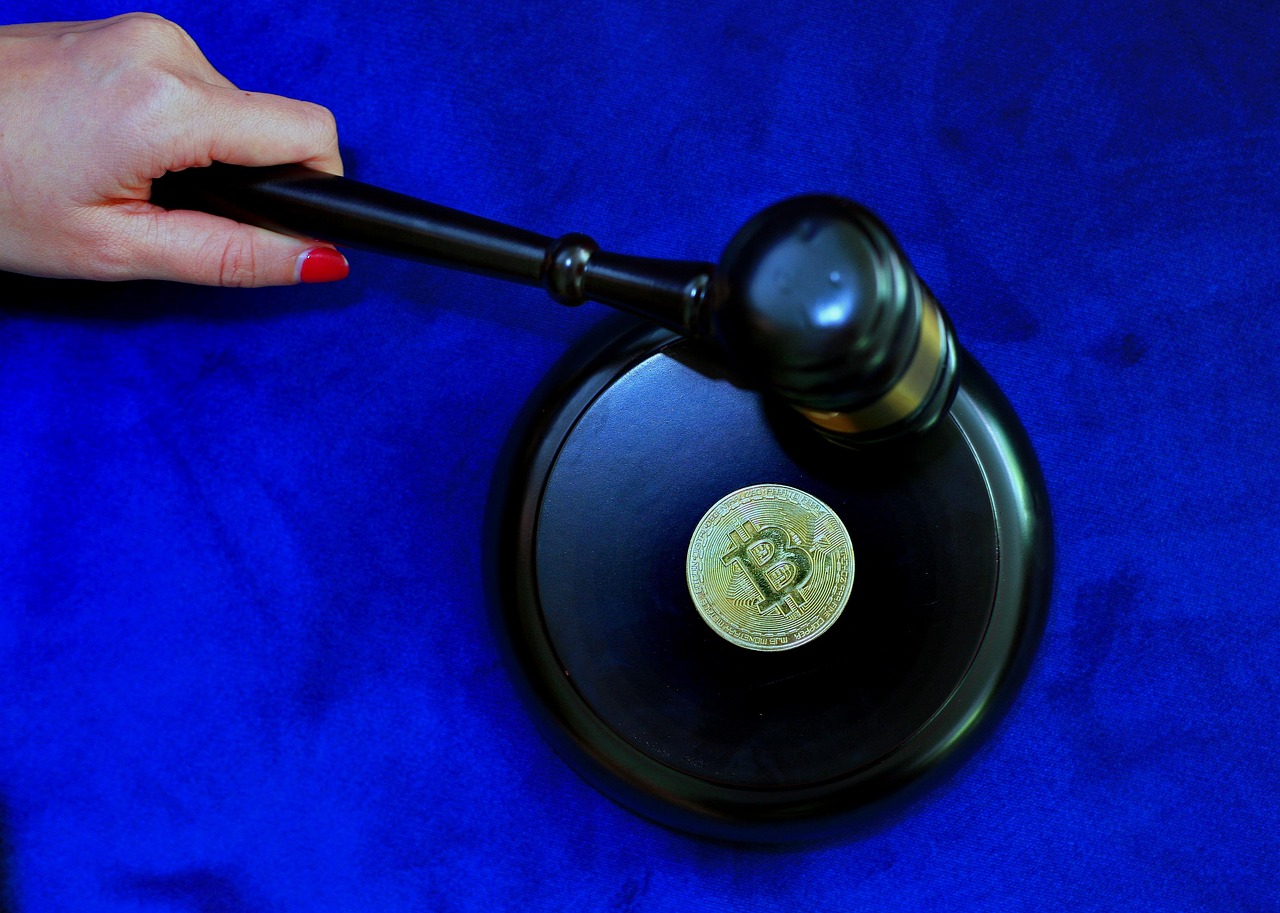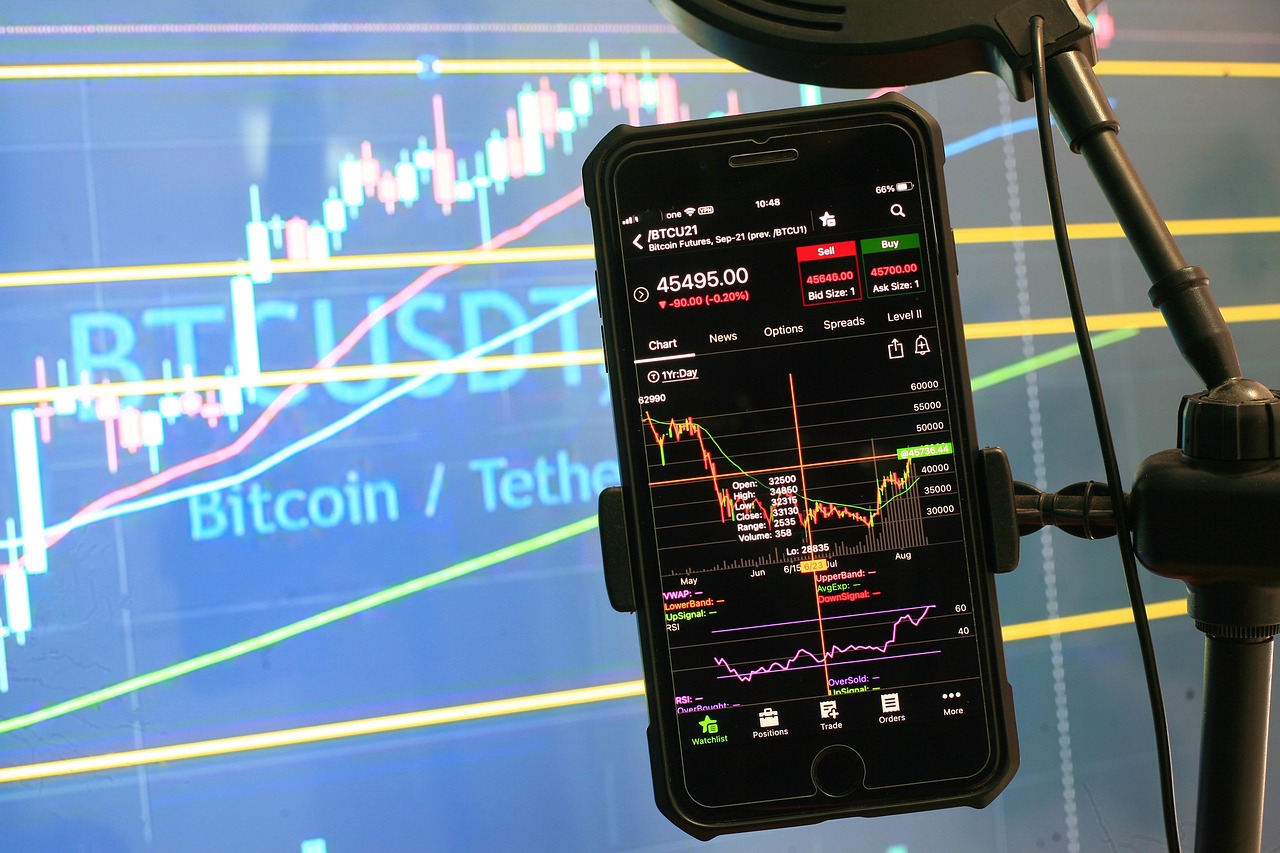
The landscape of institutional digital asset investment has reached a significant turning point following the reported regulatory approval of a diversified crypto Exchange-Traded Fund (ETF) from T. Rowe Price, featuring exposure to Bitcoin (BTC), Ethereum (ETH), and XRP. This development arrives at a complex juncture for the cryptocurrency market, characterized by a stark divergence between maturing institutional infrastructure and a prevailing sentiment of "Extreme Fear," as indicated by a Fear & Greed Index reading of 18 [MARKET DATA]. While the approval of multi-asset products suggests a broadening of the regulated investment perimeter, broader market dynamics reveal a significant capital rotation away from digital assets and toward high-growth technology sectors, particularly artificial intelligence and semiconductors ambcrypto.com.
Institutional Infrastructure vs. Market Sentiment
The introduction of diversified crypto products like the T. Rowe Price ETF occurs as the digital asset industry grapples with a period of intense volatility and shifting investor priorities. Market data from late June 2026 shows the Fear & Greed Index at 18, a level reflecting deep apprehension among market participants [MARKET DATA]. This sentiment persists despite historical milestones achieved earlier in the cycle, such as Bitcoin reaching an all-time high above $107,000 in December 2025 insidermonkey.com.
Analysts observe that the current market environment is defined by a "risk-off" phase, where capital is not necessarily leaving the financial system but is instead rotating into sectors perceived to offer more stable long-term returns. Since April 2026, U.S. gold and Bitcoin ETFs have experienced combined net outflows of approximately $12 billion ambcrypto.com. In contrast, U.S. semiconductor ETFs have attracted more than $20 billion in net inflows during the same period, suggesting that investors are prioritizing AI-driven momentum over the current crypto cycle ambcrypto.com.
Despite this rotation, the institutionalization of Bitcoin continues to deepen. By late 2025, collective Bitcoin holdings among U.S. ETF issuers surpassed the estimated 1.1 million BTC held by the asset's pseudonymous creator, Satoshi Nakamoto insidermonkey.com. These 12 spot Bitcoin ETFs now hold nearly 5% of the total Bitcoin supply, reflecting a fundamental shift where institutional entities have become the primary custodians of the network's value insidermonkey.com.
The Multi-Asset ETF Trend: BTC, ETH, and XRP
The approval of a T. Rowe Price ETF containing XRP alongside BTC and ETH signals a growing regulatory acceptance of altcoins within institutional wrappers. This trend is mirrored by other market entrants; for instance, Truth Social recently announced the inclusion of Cronos (CRO) in its upcoming "Crypto Blue-Chip ETF," a move that triggered a 20% jump in the price of CRO on July 9, 2025 msn.com.
The inclusion of XRP is particularly noteworthy given the asset's ongoing regulatory journey. Ripple, the company closely associated with XRP, has been aggressively expanding its global footprint to prepare for a more regulated environment. In June 2026, Ripple secured preliminary approval for a Crypto Asset Service Provider (CASP) license from Luxembourg’s CSSF, positioning the firm to operate within the European Union's MiCA framework bitcoinist.com. Furthermore, Ripple has partnered with SBI Holdings to launch its RLUSD stablecoin in Japan, following classification by the JFSA as a Type 4 electronic payment instrument bitcoinist.com.
These structural developments provide a foundation for multi-asset ETFs, as they suggest a maturing ecosystem where individual assets are increasingly integrated into regulated financial plumbing. However, the performance of these institutional products remains tied to broader liquidity cycles. In late June 2026, spot Bitcoin ETFs saw a record weekly outflow of $1.79 billion, with BlackRock’s IBIT alone accounting for $1.3 billion of that total ambcrypto.com. This has left many IBIT investors "underwater," facing an average drawdown of approximately 40% cryptodaily.co.uk.
Ethereum's Market Dynamics and Treasury Accumulation
While Bitcoin remains the primary focus of institutional flows, Ethereum is experiencing a unique set of market pressures. In June 2026, ETH was trading at approximately $1,568.75, its lowest level since April 2025 ambcrypto.com. Market analysts point to a decline in "Spot Taker CVD" momentum, suggesting that aggressive buying interest has waned compared to the previous year ambcrypto.com.
However, large-scale "Ethereum DATs" (Digital Asset Treasuries) continue to accumulate the asset despite weak retail demand. Sharplink, the second-largest Ethereum treasury company, recently purchased 29,196 ETH for $46.7 million ambcrypto.com. Over a three-day period in late June, these entities amassed a total of 39,196 ETH, worth $62.4 million ambcrypto.com. Sharplink now holds a total of 868,699 ETH, while the industry leader, Bitmine, holds 5,672,956 ETH valued at approximately $8.92 billion ambcrypto.com.
Bitmine’s leadership has expressed a commitment to a steady growth strategy through 2026, aiming for what they describe as the "alchemy of 5%" ambcrypto.com. This aggressive accumulation by corporate treasuries suggests a long-term conviction in Ethereum’s utility, even as short-term price action remains bearish.
Tokenization: The $2 Trillion Opportunity
A critical component of the maturing crypto landscape is the rise of tokenization—the process of placing traditional financial assets like stocks and bonds on a blockchain. Coinbase CEO Brian Armstrong has characterized tokenization as a "win for everyone," noting that it could provide the 4 billion people globally who lack access to U.S. equity markets with a way to invest in high-quality assets ambcrypto.com.
The economic potential of this sector is substantial. Binance Research estimates that crypto platforms could drive $2 trillion in new capital inflows over the next five years as users gain access to global equity markets via on-chain platforms ambcrypto.com. Currently, the market capitalization of tokenized stocks remains relatively small at $1.5 billion, but adoption is accelerating. Transfer volumes for tokenized assets doubled to $8 billion in June 2026, and the number of holders grew by 33% to reach 390,000 ambcrypto.com.
The sector is also seeing its first major public market tests. Securitize, a BlackRock-backed firm specializing in real-world asset tokenization, is set to debut on the New York Stock Exchange under the ticker "SECZ" following a merger with a Cantor Fitzgerald-backed SPAC decrypt.co. Securitize currently manages over $4 billion in assets, including BlackRock’s BUIDL fund, which was valued at $2.4 billion in late June 2026 decrypt.co.
However, the path to widespread adoption faces regulatory and legal hurdles. The SEC recently delayed an "innovation exemption" for tokenized stocks due to concerns regarding corporate actions and governance duties for on-chain tokens decrypt.co. Additionally, a legal dispute has emerged between tZERO and Securitize over alleged patent infringements related to tokenization technology ambcrypto.com.
Direct Exposure vs. Treasury-Stock Proxies
As the market matures, investors are increasingly evaluating the most efficient way to gain exposure to digital assets. Historically, many investors used "treasury-stock proxies"—public companies that hold significant amounts of Bitcoin on their balance sheets—as a shortcut for BTC exposure. However, in 2026, direct exposure via spot ETFs or on-chain custody has begun to outperform these proxies cryptodaily.co.uk.
The primary reason for this shift is "tracking noise." Treasury stocks like Strategy Inc. (formerly MicroStrategy) introduce corporate variables such as debt costs, equity dilution, and management decisions that can cause the stock to decouple from Bitcoin’s price cryptodaily.co.uk. For example, Strategy Inc. disclosed selling 32 BTC in late May 2026 at approximately $77,135 per coin, only to buy 1,550 BTC the following week at $65,332 per coin cryptodaily.co.uk. While these moves can be accretive, they add complexity that direct BTC ownership avoids.
Furthermore, during periods of market stress, these proxies can trade at significant discounts to their net asset value (NAV). Metaplanet, a Tokyo-listed firm holding over 40,177 BTC, saw its shares hit a 52-week low in June 2026 despite its substantial holdings cryptodaily.co.uk. Conversely, some niche treasury models are seeing success; Sol Strategies (ticker: STKE) saw its stock jump 22% on June 26, 2026, as its Solana-focused treasury model gained attention while SOL reclaimed the $72 price level bitcoinist.com.
Regulatory Milestones and Political Influence
The regulatory environment in the United States is being increasingly shaped by political activity. Crypto-focused Political Action Committees (PACs) have raised approximately $188.9 million for the 2026 election cycle cryptodaily.co.uk. A recent primary victory for Adrian Boafo in Maryland’s 5th District, supported by roughly $5.5 million from the "Protect Progress" PAC, demonstrated the industry's ability to influence legislative slates cryptodaily.co.uk.
These political efforts are aimed at advancing market-structure bills and stablecoin legislation that could define spot market oversight and custody standards cryptodaily.co.uk. In the meantime, agencies like the CFTC are moving forward with new regulated products. U.S. regulators recently approved Kalshi to launch CFTC-regulated perpetual futures anchored by Bitcoin, providing a domestic alternative to offshore derivative platforms bitcoinist.com.
The broader macro backdrop also plays a role in market expectations. Investors are closely monitoring the Federal Reserve, with the CME FedWatch Tool indicating a 96% probability of a 25-basis-point interest rate cut following the June 2026 policy meeting insidermonkey.com. Lower interest rates are traditionally viewed as a positive catalyst for Bitcoin, which often trades in correlation with technology stocks and benefits from a weakening dollar insidermonkey.com.
The Rise of Micro-Rotations and Niche ETPs
While major assets like Bitcoin and Ethereum have faced sideways price action, the market is seeing a trend of "micro-rotations" into mid-cap and niche assets. In late June 2026, assets such as DeXe (DEXE) and Audiera’s BEAT experienced significant gains while the broader market stalled cryptodaily.co.uk. This suggests that investors are becoming more selective, picking winners in specific pockets of the ecosystem rather than expecting a broad "altcoin season" cryptodaily.co.uk.
In Europe, the variety of Exchange-Traded Products (ETPs) continues to expand. CoinShares recently launched a zero-fee SEI ETP that includes a 2% staking yield, providing investors with a way to earn passive income on their holdings while maintaining exposure to the underlying token coindesk.com. Such products highlight the increasing sophistication of the crypto investment landscape outside of the United States.
Within the U.S. equity market, crypto-related stocks are also being evaluated for their upside potential. Core Scientific (CORZ), which operates digital infrastructure for Bitcoin mining and high-performance computing (HPC), has been identified by analysts as having a 14.73% upside potential insidermonkey.com. The company is diversifying its operations, allocating 100 megawatts of infrastructure to HPC hosting, which yielded $10.3 million in revenue in the third fiscal quarter of 2024 insidermonkey.com.
Conclusion: A Bifurcated Market Path
The approval of the T. Rowe Price crypto ETF and the broader institutional developments of mid-2026 paint a picture of a market in transition. On one hand, the "Extreme Fear" sentiment and record outflows from established Bitcoin ETFs suggest that the retail-driven bull cycle may be facing exhaustion, exacerbated by a massive capital rotation into AI and semiconductor stocks ambcrypto.com. On the other hand, the continued accumulation of Ethereum by corporate treasuries, the expansion of tokenization infrastructure, and the successful deployment of political capital suggest that the industry's structural foundations are stronger than ever ambcrypto.com cryptodaily.co.uk.
As the market heads into the second half of 2026, the divergence between price action and infrastructure growth remains the defining narrative. While short-term volatility and "underwater" positions may dominate headlines, the integration of digital assets into the core of global finance—through diversified ETFs, tokenized securities, and regulated derivatives—continues to move forward, albeit at a pace that tests the patience of even the most seasoned investors.

![[crypto] Crypto bear market isn’t over? AI’s $20B capital rotation says so](/uploads/thumbnails/crypto-crypto-bear-market-isn-t-over-ai-s-20b-capital-rotation-says-so.jpg)