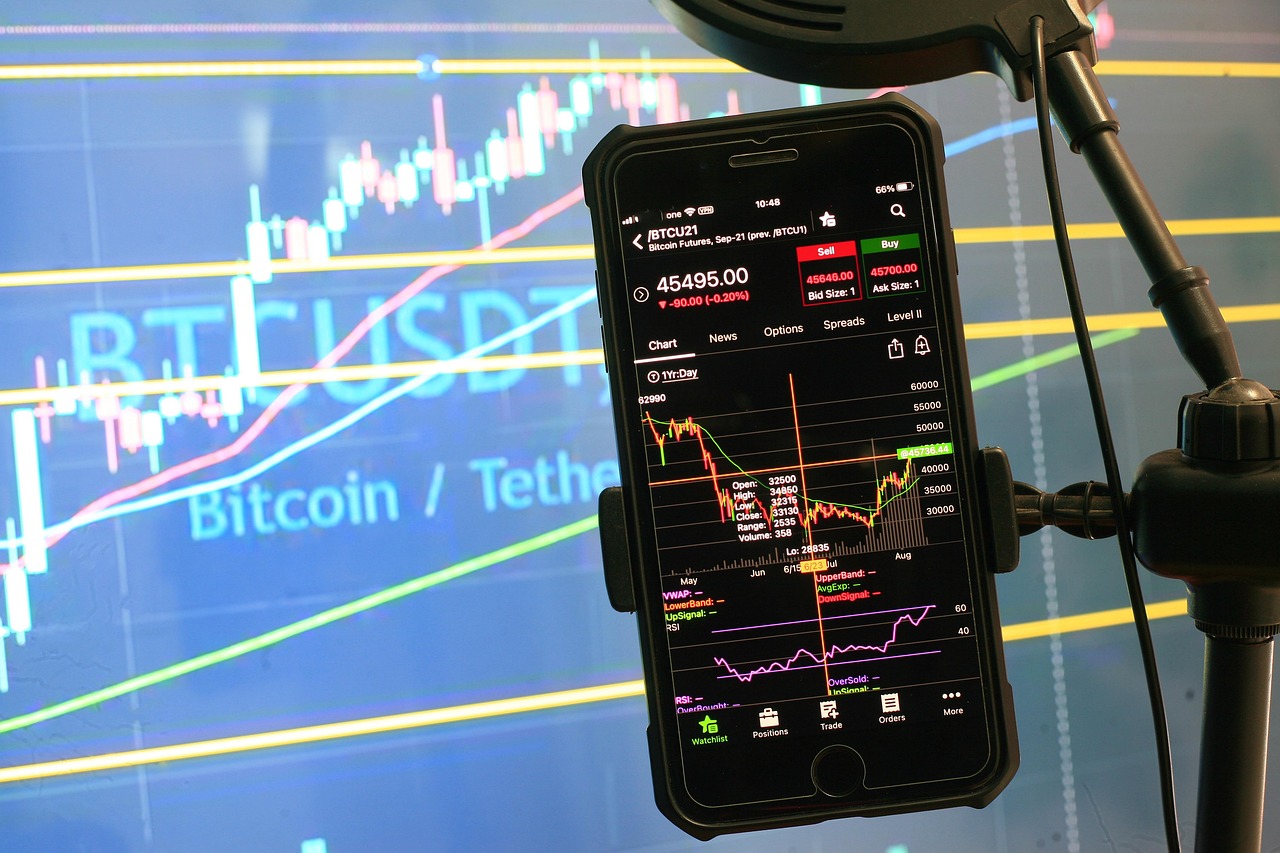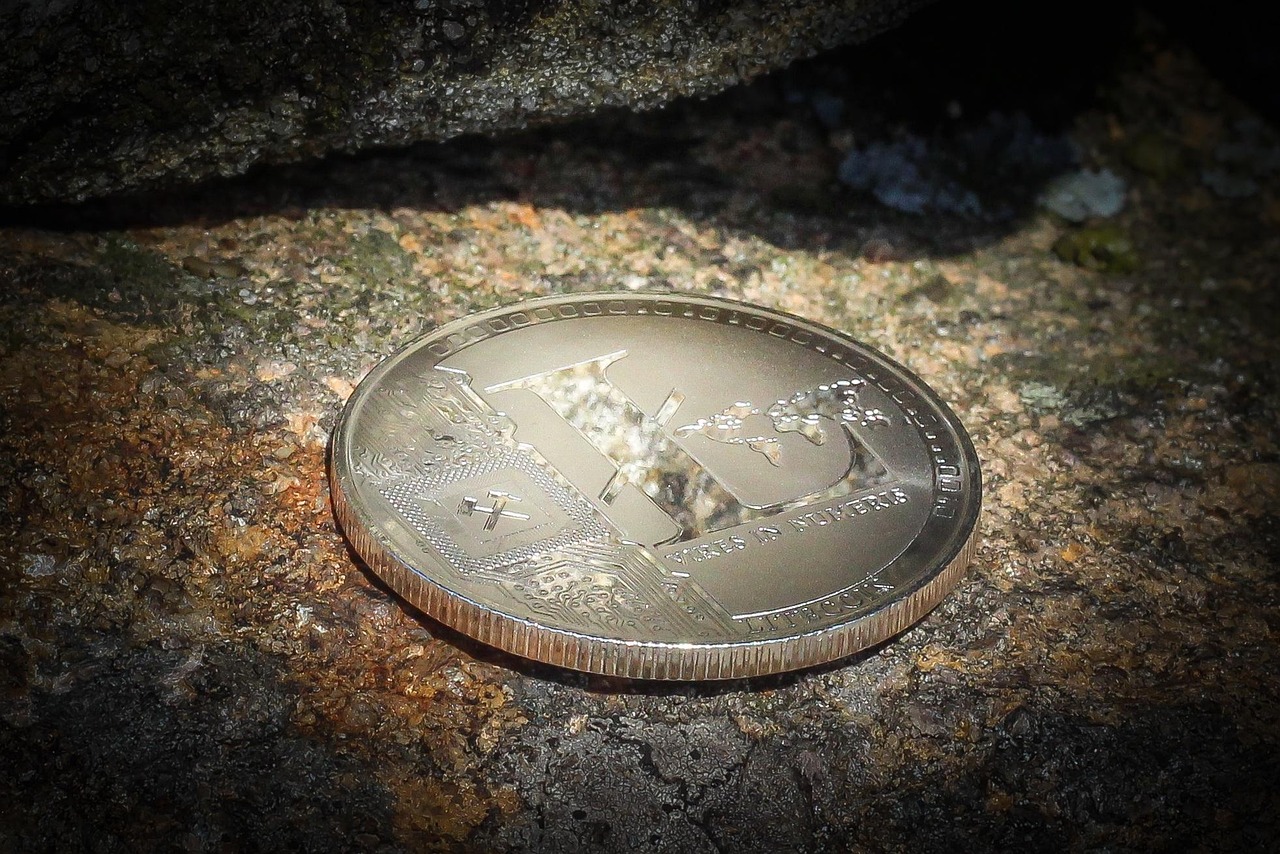
The landscape of digital asset investment is undergoing a structural transformation as the U.S. Securities and Exchange Commission (SEC) moves beyond the initial approval of Bitcoin and Ethereum exchange-traded funds (ETFs). On June 12, 2026, a pivotal regulatory shift occurred when the SEC greenlit NYSE Arca’s plan to list the T. Rowe Price Active Crypto ETF, an order that explicitly named Litecoin (LTC) as an eligible asset for inclusion cryptodaily.co.uk. This development, alongside a flurry of new filings for Solana (SOL), XRP, and innovative dividend-reinvestment products, suggests that the market is entering a "second wave" of crypto financialization. While the first wave focused on establishing spot access for the largest assets, this new era is characterized by diversification, active management, and the integration of digital assets into traditional equity strategies ambcrypto.com blockonomi.com.
The Litecoin Precedent: From Single-Asset to Multi-Asset Inclusion
Litecoin’s inclusion in the SEC-approved roster for the T. Rowe Price Active Crypto ETF represents a significant milestone for the asset, which has often been overshadowed by its larger peers. Under SEC Order No. 34-105681, Litecoin is listed alongside a select group of "Eligible Assets" that includes BTC, ETH, SOL, XRP, ADA, AVAX, DOT, DOGE, HBAR, BCH, LINK, XLM, SHIB, and SUI cryptodaily.co.uk. This regulatory recognition reframes Litecoin not just as a legacy payment network, but as a viable component of a regulated, diversified investment vehicle cryptodaily.co.uk.
The active multi-asset approach differs fundamentally from the monolithic spot ETFs that preceded it. Rather than simply mirroring the price of a single token, this fund structure allows managers to hold between 5 and 15 eligible assets at any given time, rebalancing based on liquidity and market conditions cryptodaily.co.uk. Furthermore, the SEC has permitted the operational use of the stablecoin USDC within these funds to cover expenses and improve trading efficiency, a pragmatic nod to the realities of on-chain settlement cryptodaily.co.uk.
The Demand Test for Secondary Altcoins
Despite the regulatory progress, the actual market appetite for dedicated Litecoin products remains in an early testing phase. Canary Capital’s Litecoin ETF, known as LTCC, has seen a relatively slow start compared to the explosive debuts of Bitcoin and Ethereum funds bitcoinist.com. Market reports indicate that LTCC has attracted approximately $9.3 million in trailing inflows since its launch, though its net assets were recently listed at a lower level of $5.43 million due to price volatility and redemptions bitcoinist.com.
Analysts observe that while Litecoin offers a clean regulatory profile and a long history as a proof-of-work asset, it lacks the specific "store-of-value" narrative of Bitcoin or the "smart-contract economy" appeal of Ethereum bitcoinist.com. For institutional allocators, factors such as derivatives depth and portfolio fit are paramount, and Litecoin’s case currently remains more modest and niche bitcoinist.com.
The Solana Fee War and Institutional Conviction
While Litecoin tests the waters of secondary demand, Solana (SOL) has become the primary battleground for institutional fee competition. Morgan Stanley recently updated its U.S. Spot SOL ETF filing to include a 0.14% annual management fee, positioning it as the cheapest such product globally ambcrypto.com. This aggressive pricing strategy mirrors Morgan Stanley’s approach to its Bitcoin ETF and undercuts competitors like Franklin Templeton, which charges 0.19% for its Solana offering blockonomi.com.
The institutional interest in Solana persists despite significant price volatility. In mid-June 2026, Solana’s price briefly dipped below $65, yet U.S.-listed spot SOL ETFs reported cumulative net inflows of $1.127 billion and total net assets of $861 million cryptodaily.co.uk. This "Solana ETF paradox"—where fund assets grow while spot prices remain weak—is attributed to the mechanics of ETF creations. Authorized participants (APs) often hedge their exposure using derivatives, which can mute the immediate impact of inflows on the spot market cryptodaily.co.uk.
Staking as a Competitive Edge
A critical differentiator for the upcoming wave of Ethereum and Solana ETFs is the inclusion of staking rewards. Morgan Stanley’s proposed funds (MSSE for Ethereum and MSOL for Solana) intend to stake a portion of their underlying assets bitcoinist.com. The proposed structure allocates 95% of staking rewards to the trust’s investors, with the remaining 5% paid to service providers like Figment Inc. and Coinbase Canada blockonomi.com. This adds a layer of yield that was absent from the first generation of Bitcoin ETFs, potentially making these products more attractive to long-term holders bitcoinist.com.
XRP: Institutional Accumulation vs. Derivative Pressure
XRP is also navigating a complex market environment characterized by a tug-of-war between structural institutional demand and short-term derivative pressure. As of mid-June 2026, spot XRP ETFs in the United States held approximately 1.41% of the entire circulating supply of the token blockonomi.com. Cumulative net inflows into these products have been reported near the $1.4 billion mark since their late 2025 launch cryptodaily.co.uk.
However, this institutional support has faced headwinds from the derivatives market. In early June, analysts noted that nearly 90% of leveraged exposure on XRP perpetuals was skewed toward the short side cryptodaily.co.uk. While sustained ETF inflows can theoretically offset this pressure by tightening the available spot supply, the market remains highly sensitive to macroeconomic shifts, such as Federal Reserve policy decisions and inflation data cryptodaily.co.uk blockonomi.com.
On-chain data further highlights a shift in holder behavior. On June 18, 2026, major exchanges like Coinbase and Binance recorded significant negative net transaction readings for XRP, suggesting that holders are moving tokens away from centralized venues at an accelerating pace blockonomi.com. Coinbase’s seven-day net reading dropped to -15,500, a more extreme withdrawal rate than seen in previous months blockonomi.com.
Hybrid Strategies: Reinvesting Dividends into Bitcoin
As the market matures, asset managers are moving beyond simple spot exposure to create hybrid products that blend traditional equities with digital assets. Franklin Templeton has filed for two novel ETFs: the Franklin US Equity Bitcoin DRIP Index ETF and the Franklin US Innovation Bitcoin DRIP Index ETF blockonomi.com.
These products maintain a 95% allocation to U.S. large-cap or innovation-focused stocks and a 5% allocation to Bitcoin blockonomi.com. The unique feature of these funds is the "DRIP" (Dividend Reinvestment Plan) mechanism, which automatically deploys cash dividend payments from the equity holdings to acquire additional Bitcoin exposure ambcrypto.com. To manage risk, the Bitcoin allocation is capped at 20% and is rebalanced quarterly if it exceeds the 5% target decrypt.co.
This strategy represents a "systematic accumulation" model, allowing investors to build a Bitcoin position over time using the yield generated by a traditional stock portfolio ambcrypto.com. If approved, these funds could launch as early as September 2026 blockonomi.com.
Income Generation through Volatility: Covered-Call ETFs
Another emerging trend is the use of covered-call strategies to harvest income from Bitcoin’s inherent volatility. BlackRock has filed for the iShares Bitcoin Premium Income ETF (BITA), which aims to sell call options on approximately 25% to 35% of its net asset value each month cryptodaily.co.uk. The fund will hold spot Bitcoin and shares of the iShares Bitcoin Trust (IBIT) as its base bitcoinist.com.
The appeal of this product lies in its ability to generate recurring premiums, which can be distributed to shareholders as cash flow bitcoinist.com. However, this income comes at the cost of capped upside; if Bitcoin’s price rallies sharply beyond the strike price of the options, the fund will not capture those gains on the covered portion of its portfolio cryptodaily.co.uk. BlackRock has set a competitive sponsor fee of 0.65% for BITA, significantly lower than the 0.95% to 0.99% typically charged by existing covered-call crypto products cryptodaily.co.uk.
The Role of Real-World Assets (RWAs) and Tokenization
While ETFs provide a bridge for institutional capital, the underlying networks are increasingly being used for the settlement of real-world assets (RWAs). Solana has emerged as a leader in this space, dominating the on-chain trading of tokenized equities ambcrypto.com. In June 2026, Solana’s tokenized equity volume surged by 187%, crossing the $100 million mark for the first time ambcrypto.com.
The network now accounts for 98% of the trading volume for tokenized SpaceX shares and 100% of the volume for the tokenized QQQ ETF ambcrypto.com. Furthermore, Solana ranks third among all blockchains by total RWA value, reaching an all-time high of $3 billion ambcrypto.com. This structural lead in utility provides a fundamental foundation for the network, even during periods of bearish price action in the broader crypto market blockonomi.com.
The Convergence of App-Chains and ETFs
The future of the digital asset market may be defined by the convergence of consumer-grade utility and institutional financial products. While ETFs financialize crypto risk for retirement accounts and brokerage apps, "app-chains" like Sui are working to consumerize the technology cryptodaily.co.uk. Sui recently introduced protocol-level "gasless" stablecoin transfers, allowing users to send assets like USDC without holding the network’s native token cryptodaily.co.uk.
This bifurcation of adoption—where Wall Street provides the investment rails and app-chains provide the payment rails—suggests that the next phase of the market will be less about a single "winner" and more about how these different layers interact cryptodaily.co.uk. For instance, Grayscale has already filed for a Hyperliquid Staking ETF, signaling that even newer, utility-focused networks are being eyed for exchange-traded products cryptodaily.co.uk.
Conclusion: A Maturing Ecosystem
The expansion of the crypto ETF market to include assets like Litecoin and Solana, along with the introduction of complex income and hybrid strategies, signals a maturing ecosystem. The "second wave" of altcoin funds is moving beyond simple price exposure toward sophisticated portfolio construction tools that cater to a wider range of investor needs, from yield generation to risk management bitcoinist.com blockonomi.com. While challenges remain—including regulatory uncertainty, liquidity hurdles for smaller assets, and the impact of macroeconomic shifts—the structural integration of digital assets into the global financial system continues to accelerate cryptodaily.co.uk ambcrypto.com.