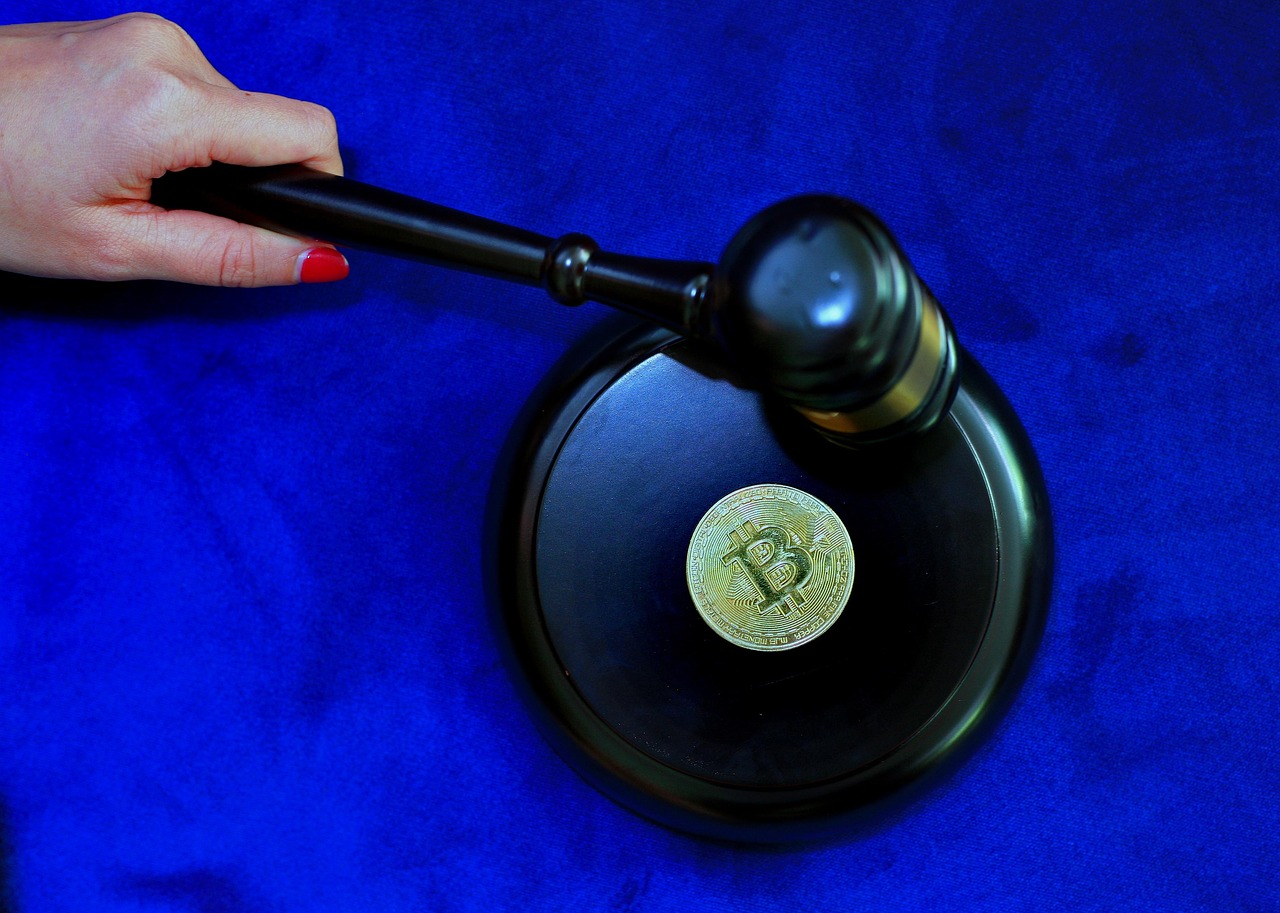
The digital asset landscape is marked by ongoing developments in regulatory compliance, platform innovation, and security. Elon Musk’s X Money has begun its rollout, leveraging Cross River Bank for its operational infrastructure [18]. This development in the crypto Elon Musk's X ecosystem occurs amidst broader movements by major blockchain entities to secure regulatory clarity and expand their global reach. Ripple, for instance, has made strides in obtaining preliminary regulatory approvals in Europe and launching stablecoin initiatives in Asia, signaling a persistent drive towards compliant financial services within the crypto sector [14] [15]. These parallel advancements underscore a period of both integration into traditional finance and continuous evolution within decentralized technologies.
Regulatory Progress and Institutional Integration
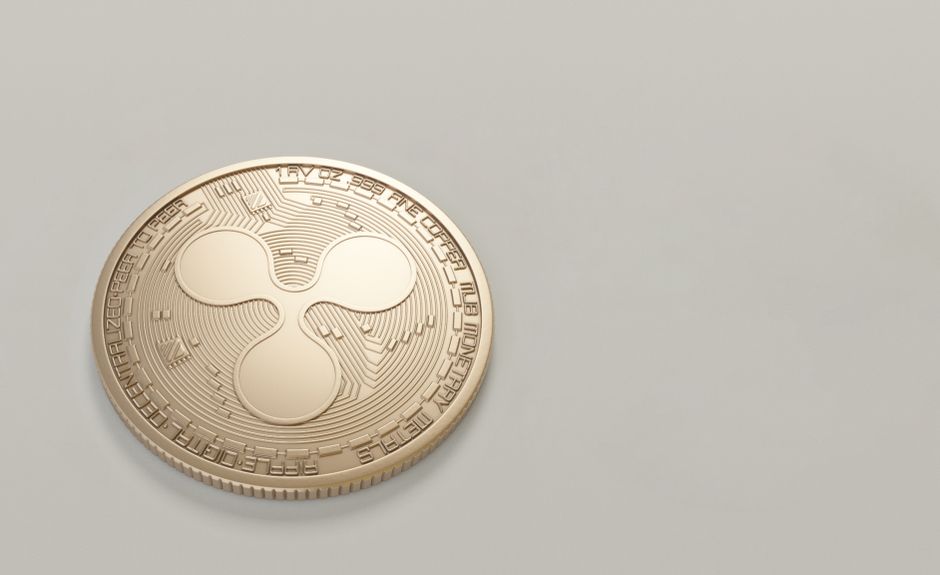
The regulatory landscape for digital assets continues to solidify in various jurisdictions, fostering new avenues for institutional engagement. Ripple has secured preliminary approval for a Crypto-Asset Service Provider (CASP) license from Luxembourg’s CSSF, enabling preparations for MiCA-compliant XRP and RLUSD operations within the EU [14]. In Asia, Ripple partnered with SBI VC Trade to launch its RLUSD stablecoin in Japan, where the JFSA has classified it as a Type 4 electronic payment instrument [15]. These developments underscore Ripple's strategic push for regulated market participation.
In the United States, Kalshi received CFTC approval for contract submissions to launch regulated digital-asset perpetual futures, with offerings anchored by Bitcoin [12]. This provides a regulated option for market participants. Notably, Meta executives have been instructed to pursue potential partnerships with prediction market platforms such as Kalshi and Polymarket, reflecting a growing interest from large technology companies in this sector [24].
Chainlink’s smart collateral technology has been selected for financial infrastructure trials by the Depository Trust & Clearing Corporation (DTCC), including its application in the Pangea FX settlement trial [7]. This indicates an expanding role for decentralized oracle networks in traditional finance. Furthermore, Tether Gold (XAU₮) is poised to enter the crypto credit market, with plans for XAU₮ holders to utilize their tokens as collateral for loans through platforms like Ledn, leveraging Tether’s substantial physical gold reserves [9] [19].
The Hyper Foundation has initiated a grant program, allocating approximately $10 million to support the migration of USDH across affected ecosystem projects, with a deadline set for the end of July [5]. This program aims to facilitate the orderly transition for USDH holders to swap tokens for USDC [5]. In contrast, the Monetary Authority of Singapore (MAS) has placed the decentralized trading platform Hyperliquid on its Investor Alert List, identifying both the Hyper Foundation website and the Hyperliquid trading application as unlicensed entities operating without regulatory authorization in the city-state [21]. This highlights the varying regulatory approaches globally.
Ecosystem Innovation and AI Integration
Blockchain ecosystems are actively integrating artificial intelligence and enhancing their core functionalities, signaling a push towards more sophisticated and secure decentralized applications.
Advancements in AI and Data Infrastructure
The Sui Network has introduced the Seal MPC prototype, a framework designed to support secure multi-party computation for autonomous AI agents within on-chain markets [1] [13]. This initiative aims to bolster the security and coordination capabilities for AI-driven transactions. Complementing this, Sui has partnered with Token Terminal to integrate financial data and on-chain analytics, making the network's data more accessible for institutional research workflows and professional users [4] [11].
Pi Network celebrated Pi2Day 2026 by expanding its ecosystem with new AI development tools and features like the Pi Launchpad [3]. The Vibe Coder Campaign is designed to encourage AI developers to build and distribute applications through Pi App Studio, while the Pi Launchpad introduced the SLICE Testnet token to enhance launch testing before Mainnet releases [3]. These efforts aim to foster developer engagement and expand the network's utility.
Story Protocol has shifted its focus towards AI copyright, rebranding as the DATA Foundation [10]. The team plans to launch an on-chain registry named “Trace” to record the provenance and permissions of datasets, aiming to establish blockchain as an auditable trail for AI training data [10].
Platform Upgrades and Gaming Developments
Cardano is progressing with its next protocol upgrade, with its member organization Intersect publishing updates that indicate movement toward testnet preparation [2]. This signifies ongoing development within the Cardano ecosystem. In the GameFi sector, NFTs Battle Crypto Arena (NCA) is scheduled to launch on June 30, 2026, on the Polygon network [8]. This platform aims to allow any NFT, including previously inactive ones, to participate in battles for stablecoin rewards, addressing the utility of digital collectibles [8].
Security Challenges and User Protection
The crypto space continues to grapple with security vulnerabilities and fraudulent activities, necessitating enhanced protective measures. Polymarket experienced a supply-chain attack that resulted in approximately $3.1 million in PUSD being drained across 11 user wallets [23]. The funds were subsequently bridged from Polygon to Ethereum and converted to ETH [23]. Polymarket has committed to fully refunding affected users, though the compromised third-party vendor remains unnamed [23].
On the Cardano network, SecondFi outlined a recovery plan following a wallet-level exploit that drained roughly $2.4 million in ADA [6]. The platform completed a forensic review, took a balance snapshot, and plans to return assets within two weeks [6]. Separately, on-chain investigators have linked the $292 million KelpDAO bridge exploit in April and the Humanity Protocol private key theft in June to the same attackers, with proceeds flowing into shared wallets, a pattern consistent with a single laundering pipeline [25].
Efforts to protect users from scams are also intensifying. San Antonio, Texas, has mandated fraud warning signs on all 193 Bitcoin ATMs in the city, following reports of 660 scam incidents and approximately $39 million in losses between January 2024 and April 2026 [16]. These scams often involve callers impersonating officials and instructing victims to deposit cash into Bitcoin ATMs [16]. In another instance, a retired man in Florence, Alabama, lost over $222,000 to a "pig butchering" crypto romance scam, with federal court documents indicating manipulation into transferring savings to fraudulent crypto wallets [17].
Allegations of "exit liquidity" continue to surface against prominent figures. BitMEX co-founder Arthur Hayes is facing accusations after his fund, Maelstrom, reportedly offloaded $1.92 million worth of $CARDS tokens shortly after Hayes publicly promoted the project [20]. This follows similar allegations involving other tokens earlier in the month [20].
The crypto market is navigating a complex environment characterized by significant regulatory advancements, particularly in Europe and Asia, alongside continuous innovation in blockchain technology and AI integration. While platforms like Elon Musk’s X Money and Ripple expand their reach through compliant frameworks, the sector faces persistent challenges related to security exploits and user protection. The ongoing efforts to enhance transparency, secure digital assets, and integrate with traditional financial systems will likely shape the market's trajectory in the coming months, with a keen eye on further regulatory clarity and the effective deployment of new technologies.

![[crypto] XRP Ledger's 'Missing Layer' Draws Closer as Developers Test Lending, Credit Features: Ripple](/uploads/thumbnails/crypto-xrp-ledger-s-missing-layer-draws-closer-as-developers-test-lending-credit-features-ripple-2.jpg)