The American summer driving season is commencing under the shadow of significant financial strain, as retail gasoline prices hover at levels not seen in years. Driven by an escalating conflict in the Middle East and a critical closure of the Strait of Hormuz, the national average for a gallon of fuel has breached psychological barriers, forcing millions of households to recalibrate their travel expectations investing.com. While the desire for mobility remains high, the convergence of dwindling domestic inventories and a hawkish shift in monetary policy is creating a volatile environment for consumers and investors alike investing.com crypto.news.
The Energy Crisis: Geopolitics and the Strait of Hormuz
The primary catalyst for the current surge in energy costs is the effective closure of the Strait of Hormuz, a vital maritime conduit through which approximately 20% of global oil consumption flows investing.com. This disruption follows military actions involving the United States, Israel, and Iran that began in late February, leading to a sharp spike in crude oil prices investing.com. Analysts observe that even if the strait were to reopen immediately, the recovery of price stability could take a year or more investing.com.
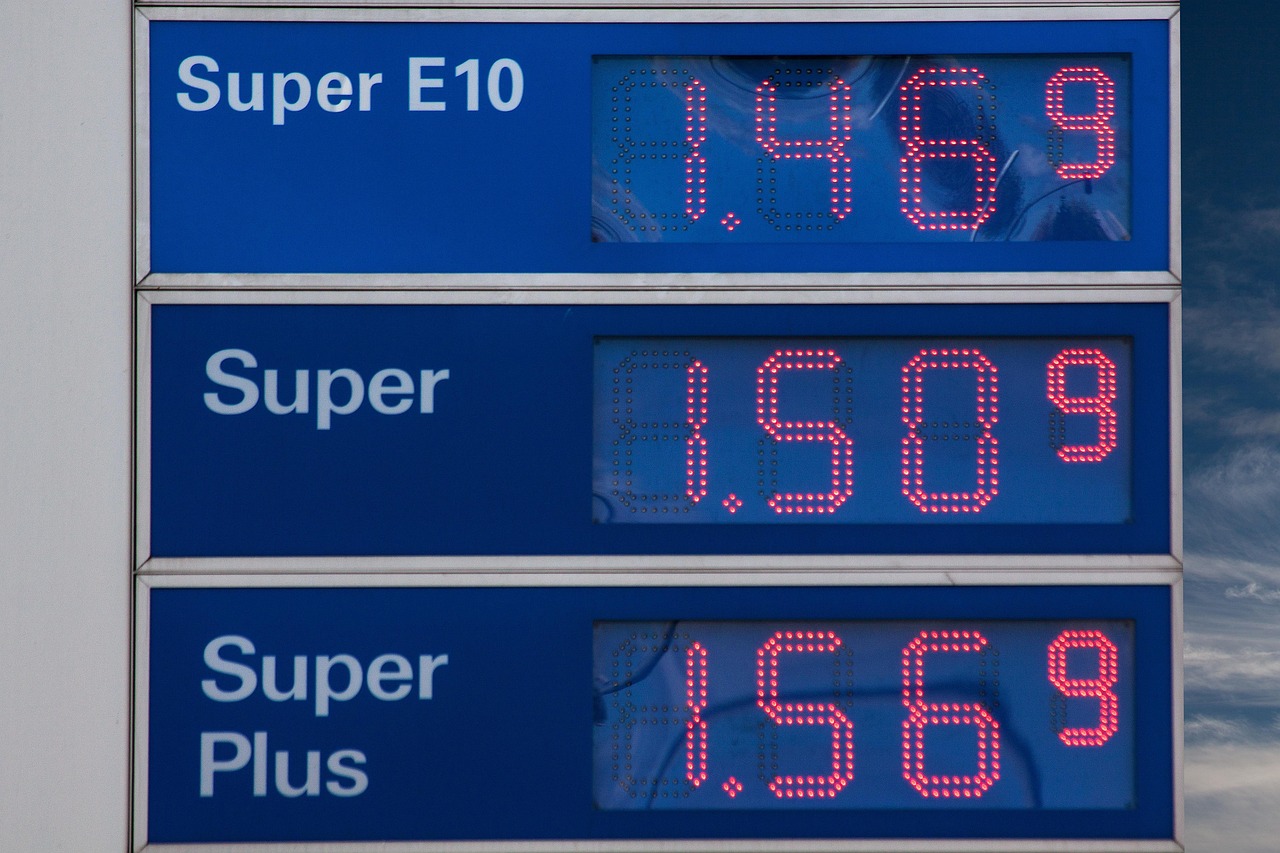
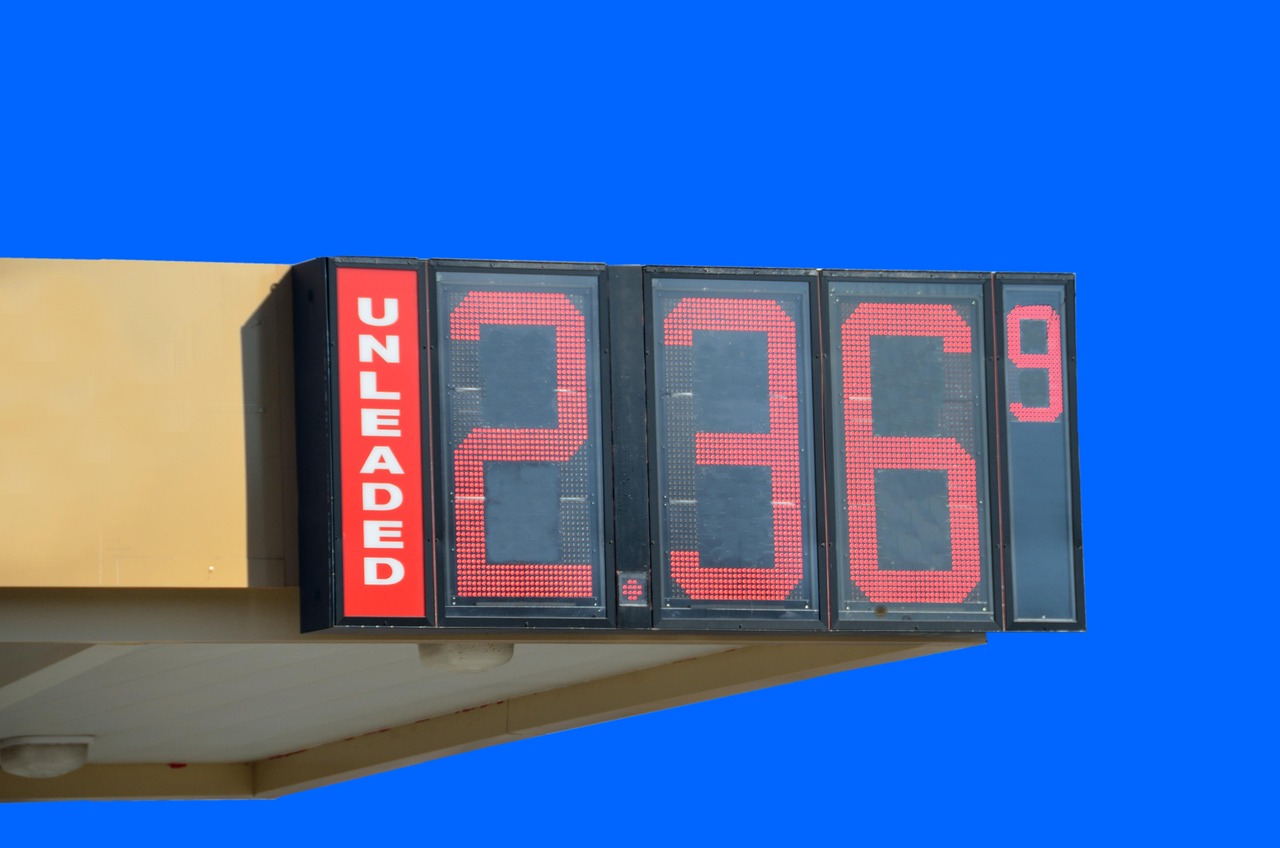
U.S. average retail gasoline prices have remained above $4.50 per gallon since early May, representing a 45% increase compared to the period preceding the conflict investing.com. The $4.00 mark, which was surpassed over a month ago in most regions, serves as a major psychological threshold for the American public, reminiscent of the price shocks following the 2022 invasion of Ukraine investing.com.
Inventory Depletion and Supply Constraints
Domestic supply metrics suggest that the pressure on fuel prices may intensify as the summer progresses. U.S. gasoline inventories have declined for 14 consecutive weeks, reaching 214.2 million barrels—down 11.4 million barrels from the previous year investing.com. In late April alone, stockpiles contracted by 7% over a 28-day window, the most significant drop in over five years investing.com. Energy analysts at Mizuho have warned that the nation is entering the peak driving season within "striking distance" of an 11-year low in gasoline storage investing.com.
- Refinery Outages: Recent technical failures at domestic refineries have limited the ability to replenish stocks investing.com.
- Hurricane Season: The approaching Atlantic hurricane season introduces further risk of infrastructure disruption investing.com.
- Global Demand: High global demand for refined products continues to draw inventories away from the U.S. market investing.com.
Consumer Behavior: Shorter Trips and Budget Constraints
Despite the high costs, a record 39.1 million Americans are expected to travel by car during the Memorial Day weekend investing.com. However, the American Automobile Association (AAA) notes that this represents the smallest annual increase in over a decade investing.com. Financial strain is visibly altering travel patterns; a GasBuddy survey indicates that only 56% of Americans plan to drive more than two hours this summer, a sharp decline from 69% in the previous year investing.com.
Cost has become the primary consideration for 67% of travelers, with 36% explicitly stating that rising fuel prices are causing them to reduce the number of road trips they take investing.com. Projections suggest that gasoline will be approximately $1.48 more expensive this Memorial Day than last year, with the potential for prices to exceed $5.00 per gallon if the Strait of Hormuz remains restricted investing.com.
Macroeconomic Headwinds: Inflation and Interest Rates
The surge in energy costs is a primary driver of consumer inflation, which has reached its highest level in nearly three years investing.com. This inflationary pressure is complicating the Federal Reserve's monetary policy path. Market-based indicators now show a 52% probability that the Fed will raise interest rates again before the end of the year, a significant reversal from earlier expectations of rate cuts crypto.news.
The 30-year U.S. Treasury yield has surged past 5%, with recent auctions clearing at approximately 5.058% crypto.news. These levels, not seen since before the global financial crisis, reflect investor demands for a higher term premium amid persistent inflation and geopolitical uncertainty crypto.news. The tightening of financial conditions is not limited to the U.S.; in the United Kingdom, retail sales volumes fell by 1.3% in April, largely due to a 10% plunge in fuel sales as consumers reacted to rising energy costs investing.com.
Impact on Digital Assets and Risk Markets
The broader "risk-off" sentiment triggered by rising yields and energy-driven inflation has permeated the cryptocurrency market. Bitcoin (BTC) has recently struggled to maintain its momentum, falling toward the $77,000 region after losing key ascending trendline support crypto.news. Analysts note that nearly $1.4 billion in cumulative net outflows were recorded from U.S. spot Bitcoin ETFs over a single week, signaling a slowdown in institutional demand crypto.news.
While Bitcoin has shown some resilience compared to altcoins, the rising opportunity cost of holding non-yielding assets in a 5% yield environment is weighing on the sector crypto.news. However, some on-chain metrics suggest that long-term holders are tightening their grip on the circulating supply, even as the price remains in a sideways consolidation range between $60,000 and $80,000 bitcoinist.com ambcrypto.com.
The Role of Geopolitical Headlines in Market Volatility
Market sensitivity to geopolitical developments remains extreme. For instance, reports of a potential U.S.-Iran peace deal briefly triggered a $500 billion inflow into the total crypto market cap, underscoring how macro headlines are currently driving capital flows ambcrypto.com. Conversely, reports that Iran’s Supreme Leader ordered enriched uranium reserves to remain in the country pushed WTI crude futures back above $98 per barrel, reintroducing inflationary fears crypto.news.
Conclusion
The 2026 summer travel season is defined by a complex interplay of geopolitical conflict, supply chain fragility, and shifting economic policy. As gasoline prices hover near multi-year highs and domestic inventories approach critical lows, the American consumer is being forced to adapt through shorter trips and reduced spending investing.com. Simultaneously, the broader financial landscape is adjusting to a "higher-for-longer" interest rate regime, which continues to pressure both traditional and digital asset markets crypto.news. Whether the current consolidation in markets leads to a breakout or a further correction will likely depend on the resolution of tensions in the Middle East and the subsequent impact on global energy liquidity ambcrypto.com.

![[crypto] Iran strikes Gulf energy network as oil surges past $110 – crypto markets react](/uploads/thumbnails/crypto-iran-strikes-gulf-energy-network-as-oil-surges-past-110-crypto-markets.jpg)