Bitcoin: Credit Crunch Fears & Institutional Accumulation Collide
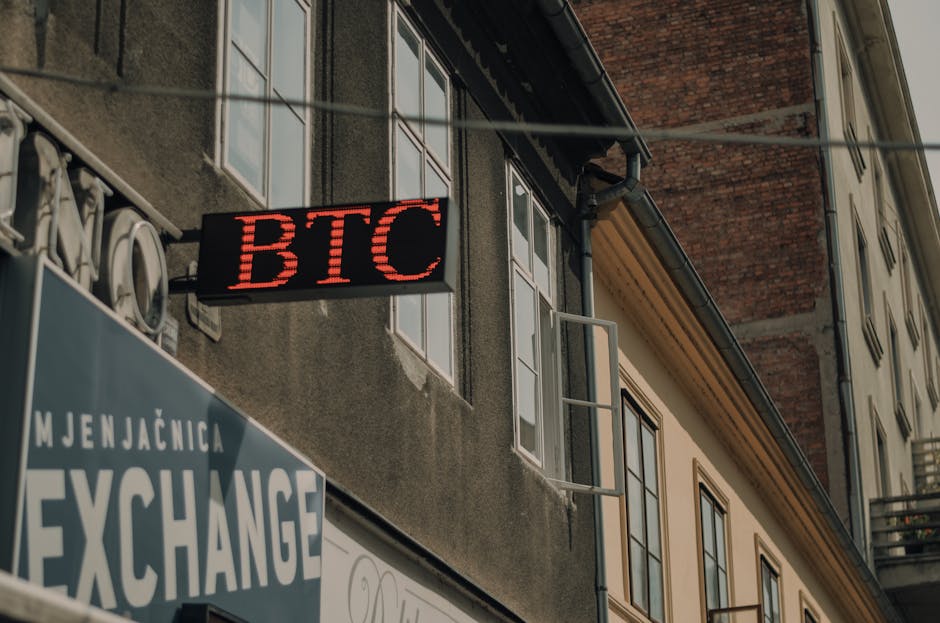
Photo: Pexels / Melvin Silva
Bitcoin finds itself at a fascinating and complex crossroads, where the immediate anxieties of macroeconomic uncertainty and potential credit crunch fears are colliding head-on with a compelling, albeit quieter, narrative of persistent institutional accumulation. The cryptocurrency market, with Bitcoin at its helm, has been navigating a period of significant pressure, marked by cautious sentiment among investors. Yet, beneath this surface of apprehension, major players are reportedly increasing their exposure to the digital asset, signaling a deep-seated conviction in its long-term value.
Macroeconomic Headwinds and the Shadow of Credit Crunch Fears
The broader financial landscape continues to cast a long shadow over the cryptocurrency market. As of Wednesday, February 18, 2026, Bitcoin's price stood at $67,387.28 [Market Data], reflecting a 1.68% increase from its earlier recorded price of $66,272.17 [Market Data]. Despite this slight upward movement, the broader cryptocurrency market remains under pressure, with Bitcoin and Ethereum struggling to gain any meaningful momentum coingape.com. This environment of uncertainty makes investors wary, contributing to the cautious sentiment.
A primary driver of this market apprehension is the anticipation surrounding key macroeconomic events. Traders are particularly concerned about the potential implications of the Federal Open Market Committee (FOMC) minutes, which were scheduled for release on the same day coingape.com. The FOMC minutes provide crucial insights into the Federal Reserve's monetary policy stance, including discussions on interest rates, quantitative easing, and the overall economic outlook. Any signals from the Fed that suggest a more hawkish approach or a tightening of liquidity could lead to a risk-off sentiment across financial markets, including cryptocurrencies, exacerbating existing concerns about potential credit crunch fears or an economic slowdown coingape.com.
The market's sensitivity to these macroeconomic signals is evident in the general sentiment surrounding Bitcoin. Sentiment scores for BTC registered an average of 0.066, a median of 0.052, and a VADER score of 0.101 [Market Data]. These relatively low positive scores indicate a predominantly neutral to slightly cautious market mood, reflecting the underlying concerns about potential market instability and the struggle for price stability [1, Market Data]. The market remains "under pressure," with both Bitcoin and Ethereum "struggling to gain any meaningful momentum" coingape.com. This environment of uncertainty makes investors wary, contributing to the downward pressure on prices.
The concept of a credit crunch, while not explicitly detailed in the immediate news, looms large in the broader macroeconomic discourse. A credit crunch refers to a sudden reduction in the general availability of loans or credit, or a sudden tightening of the conditions required to obtain a loan. This can be triggered by various factors, including a loss of confidence in the economy, a rise in interest rates, or a tightening of monetary policy by central banks. Should the FOMC minutes signal a more aggressive stance on interest rate hikes or a significant reduction in the Fed's balance sheet, it could lead to higher borrowing costs and reduced liquidity in the financial system. Such conditions typically prompt investors to de-risk their portfolios, moving away from volatile assets like cryptocurrencies and towards safer havens. This 'risk-off' sentiment is a direct consequence of perceived economic tightening and the potential for a broader economic slowdown, which could impact corporate earnings, consumer spending, and overall market stability.
The struggle for Bitcoin and Ethereum to gain meaningful momentum coingape.com in such an environment is understandable. Cryptocurrencies, despite their narrative as a hedge against inflation or traditional financial instability, often behave as risk-on assets in the short to medium term, highly correlated with broader equity markets. When traditional markets face headwinds, crypto assets frequently follow suit. The anticipation of the FOMC minutes, therefore, becomes a pivotal event, as its outcome could either alleviate some of these fears or intensify them, dictating the immediate trajectory of the crypto market.
Institutional Resilience: A Counter-Narrative of Accumulation
Despite the prevailing market slump and the macroeconomic anxieties, a compelling counter-narrative of institutional accumulation is unfolding. This suggests that while short-term fears might be driving price action, long-term strategic positioning by sophisticated investors remains robust.
Further evidence of institutional interest emerges from the filings of major financial players. A new entity identified in BlackRock's quarterly filing for its Bitcoin (BTC) Exchange-Traded Fund (ETF) IBIT has sparked whispers of Chinese investment . The entity is reportedly linked to the name Zhang Hui, which is particularly intriguing given China's nationwide ban on cryptocurrency activities . If these rumors hold true, it would suggest sophisticated methods of circumventing regulatory restrictions and highlight a significant, albeit discreet, underlying demand for Bitcoin even from regions with stringent controls. This development underscores the global appeal and perceived value of Bitcoin, attracting capital from diverse and often unexpected sources.
The implications of potential Chinese investment in BlackRock's IBIT are profound. China's stringent stance on cryptocurrencies, including a nationwide ban on trading and mining, has largely isolated its domestic market from the global crypto ecosystem. However, the alleged involvement of an entity linked to Zhang Hui in a major U.S. Bitcoin ETF suggests that high-net-worth individuals or institutions within China may be finding innovative, albeit clandestine, ways to gain exposure to Bitcoin. This 'ghost holding' phenomenon, if substantiated, would not only highlight the persistent demand for Bitcoin even under severe regulatory pressure but also demonstrate the asset's ability to transcend geographical and political boundaries. It implies a deep-seated belief in Bitcoin's long-term value proposition, potentially as a hedge against capital controls or as a strategic asset in a globalized, digital economy, even for those operating within highly restrictive environments.
Beyond specific entities, there's a broader trend of corporate treasuries increasing their Bitcoin exposure. Reports indicate that "corporations keep buying Bitcoin as price weakens sharply" . This generalized corporate accumulation signifies a strategic shift among businesses to integrate Bitcoin into their balance sheets. Companies may be adopting Bitcoin as a hedge against inflation, a store of value, or as a strategic asset in an increasingly digital economy. The fact that this buying occurs during periods of price weakness further emphasizes a long-term investment horizon, where current market volatility is seen as a temporary phase rather than a fundamental flaw.
The motivations behind corporate Bitcoin accumulation are multifaceted. For many companies, holding Bitcoin on their balance sheets is a strategic move to diversify treasury assets away from traditional fiat currencies, which are susceptible to inflation and devaluation. Bitcoin's fixed supply and decentralized nature make it an attractive alternative store of value, particularly in an era of unprecedented monetary expansion by central banks. Furthermore, some corporations view Bitcoin as a forward-looking asset, aligning their balance sheets with the evolving digital economy. This could involve anticipating future payment rails, engaging with Web3 technologies, or simply signaling a progressive stance on financial innovation. The decision to accumulate during periods of price weakness, as highlighted by reports , is a classic contrarian investment strategy, suggesting that these corporations are not swayed by short-term market noise but are instead focused on Bitcoin's long-term growth potential and its role as a foundational digital asset.
The Paradox of Price Action: Why the Disconnect?
The simultaneous occurrence of a slight price increase (1.68%) alongside cautious sentiment and robust institutional accumulation presents a paradox that warrants deeper analysis. How can Bitcoin's price show a modest gain of 1.68% [Market Data] and sentiment remain cautious [Market Data] while major institutions are actively buying?
One explanation lies in the differing investment horizons and motivations of various market participants. Short-term traders and retail investors are often more susceptible to immediate market sentiment and macroeconomic news. Fears stemming from events like the FOMC minutes coingape.com can trigger panic selling or profit-taking, leading to downward price pressure or preventing significant upward momentum. These participants are typically more sensitive to volatility and seek quick gains or risk avoidance, often reacting swiftly to headlines and technical indicators.
In contrast, institutional investors, such as corporate treasuries , typically operate with much longer investment horizons. They conduct extensive due diligence and often view market downturns as opportunities to acquire assets at a discount. Their accumulation strategies are less about short-term price fluctuations and more about Bitcoin's long-term potential as a transformative technology, a hedge against traditional financial risks, or a foundational asset for a decentralized future. The news explicitly states that corporations are buying as price "weakens sharply" , directly supporting this contrarian approach. This strategic buying during dips is a hallmark of 'smart money' positioning, where conviction in the asset's fundamental value outweighs immediate market anxieties.
Furthermore, the sheer volume of short-term selling pressure, potentially from retail investors, leveraged positions, or algorithmic trading reacting to macroeconomic fears, might temporarily outweigh the buying pressure from institutions. While institutional purchases are significant, they might be absorbed by a broader market sell-off or by a lack of sustained retail buying interest, preventing an immediate and dramatic price rebound. This dynamic creates a scenario where "smart money" is quietly accumulating, while "fear money" is exiting the market or remaining on the sidelines, leading to a temporary disconnect between fundamental accumulation trends and immediate price action. The market's overall liquidity and depth also play a role; even substantial institutional buys can be masked if there's ample selling volume from other participants.
The nature of institutional buying itself can also contribute to this paradox. Large institutional orders are often executed through over-the-counter (OTC) desks or through carefully managed, time-weighted average price (TWAP) algorithms to minimize market impact. This means that significant accumulation can occur without causing immediate, dramatic spikes in spot exchange prices. Such discreet accumulation allows institutions to build substantial positions without alerting the broader market and driving up their average entry price. This contrasts sharply with retail buying, which often occurs directly on exchanges and can contribute to more volatile price movements.
Broader Crypto Market Context
The pressures observed in the Bitcoin market are not isolated. The broader cryptocurrency ecosystem is also experiencing similar dynamics. Ethereum, for instance, has transitioned into "choppy consolidation" following an "aggressive sell-off" towards the $1.8K region fxstreet.com. The market is now at a "decisive breakout point," with uncertainty about whether this compression will resolve to the upside or result in a continuation of the "dominant downtrend structure" fxstreet.com.
This parallel movement in Ethereum suggests that the macroeconomic headwinds and general market sentiment are impacting the entire crypto asset class, not just Bitcoin. The concerns about FOMC minutes and their potential implications for the crypto market coingape.com likely contribute to the cautious trading environment observed across major cryptocurrencies. While the focus of this analysis is Bitcoin, the state of Ethereum provides valuable context, indicating a market-wide struggle for momentum amidst external pressures. The "choppy consolidation" phase for Ethereum implies a period of indecision, where buyers and sellers are in a standoff, leading to sideways price action within a defined range. A "decisive breakout point" indicates that this period of compression is nearing an end, and a significant price move, either up or down, is imminent. The uncertainty regarding whether this will resolve to the upside or continue the "dominant downtrend structure" fxstreet.com perfectly encapsulates the broader market's cautious stance.
The interconnectedness of the crypto market means that sentiment and liquidity often flow across major assets. A downturn in Bitcoin frequently leads to a broader market correction, often referred to as 'altcoin season' ending or a 'crypto winter' setting in. Conversely, Bitcoin's strength can pull other assets higher. Therefore, the struggles faced by Ethereum, the second-largest cryptocurrency by market capitalization, are indicative of systemic pressures rather than isolated asset-specific issues. This reinforces the idea that the macroeconomic environment, particularly the signals from central banks like the Federal Reserve, has a pervasive influence on the entire digital asset landscape.
Investor Outlook and Future Implications
For investors, the current market environment presents a complex and nuanced outlook. On one hand, the persistent macroeconomic uncertainties, amplified by the anticipation of FOMC minutes and the potential for credit crunch fears, suggest that volatility and cautious sentiment could persist in the short term coingape.com. The modest price increase of 1.68% [Market Data] alongside cautious sentiment scores [Market Data] serves as a reminder of the underlying volatility and risks involved.
On the other hand, the consistent and strategic accumulation by major institutional players offers a compelling signal of long-term confidence. The whispers of significant Chinese investment through BlackRock's IBIT , and the broader trend of corporate treasuries securing Bitcoin all point towards a growing conviction in Bitcoin's enduring value proposition. These institutions are not deterred by short-term price fluctuations; rather, they appear to be leveraging the downturns as opportunities to build their positions.
This collision of forces creates a bifurcated market perspective. Short-term traders may continue to navigate a volatile landscape, reacting to news and price movements. However, long-term investors might view the current period as a critical accumulation phase, mirroring the strategies employed by institutional players. The "ghost holding" rumors add an intriguing layer, suggesting that the true extent of institutional and even sovereign interest in Bitcoin might be underestimated, potentially due to regulatory complexities or strategic discretion. This hidden demand, if substantial, could provide a strong underlying support for Bitcoin's price in the long run, even if it doesn't manifest in immediate, dramatic price surges.
Ultimately, the current market phase could be interpreted as a period of re-pricing and consolidation, where weaker hands are shaken out, and stronger, more conviction-driven hands are accumulating. This process is essential for the maturation of any asset class, as it transfers ownership from those with short-term speculative interests to those with long-term strategic vision. The outcome of this collision will likely shape Bitcoin's trajectory for the foreseeable future, making it a pivotal moment for market observers and participants alike. Should macroeconomic conditions stabilize or improve, the accumulated institutional positions could provide a powerful springboard for future price appreciation. Conversely, a prolonged period of economic tightening could test the resolve of even these long-term holders, though their current accumulation suggests a high degree of conviction.
The increasing integration of Bitcoin into traditional financial products, such as spot ETFs, further solidifies its position as a legitimate asset class for institutional investors. While these products expose Bitcoin to traditional market dynamics and regulatory scrutiny, they also provide accessible avenues for large-scale capital deployment. The ongoing institutional adoption, even amidst market uncertainty, is a testament to Bitcoin's evolving narrative from a niche digital curiosity to a recognized global asset. This shift in perception and participation is a critical factor in its long-term valuation and stability.
In conclusion, Bitcoin is navigating a critical juncture where the immediate anxieties of macroeconomic uncertainty and potential credit crunch fears are clashing with a robust, underlying trend of institutional accumulation. While the market grapples with a modest price increase and cautious sentiment, driven by events like the FOMC minutes [1, Market Data], the intriguing whispers of Chinese investment via BlackRock's IBIT , and broader corporate treasuries signal a profound belief in Bitcoin's long-term value. This dynamic creates a nuanced outlook, where short-term challenges coexist with strong signals of future potential, making the current period a fascinating study in market psychology and strategic positioning for the digital asset.
Related
Bitcoin Navigates Fed Uncertainty & Credit Crunch Fears
Feb 19, 2026

Bitcoin Faces 2026 Headwinds: Institutional Outflows and Macro Shifts
May 29, 2026
Bitcoin Navigates Price Swings Amid Institutional Investment & Macro Concerns
Apr 7, 2026
Bitcoin Navigates Mixed Signals: Price Swings Amidst Institutional Adoption & Macro Concerns
Apr 7, 2026

Bitcoin's Capitulation & Institutional Shift
Feb 14, 2026

Bitcoin's Decline: USD Strength & Central Bank Divergence
Feb 26, 2026
Source Articles
This article is based on analysis of 4 source articles from our news database.
- 1CoinGape·Coingapestaff·coingape.com·
- 2CryptoPotato·Shayan Markets·cryptopotato.com·
- 3FXStreet·Vishal Dixit·fxstreet.com·
- 4AMBCrypto·Emilio Munoru·ambcrypto.com·