SentiSignal Editorial TeamMarch 24, 2026, 12:01 PM150 words5 sourcesAI-Generated · Reviewed by editorial team
Gold
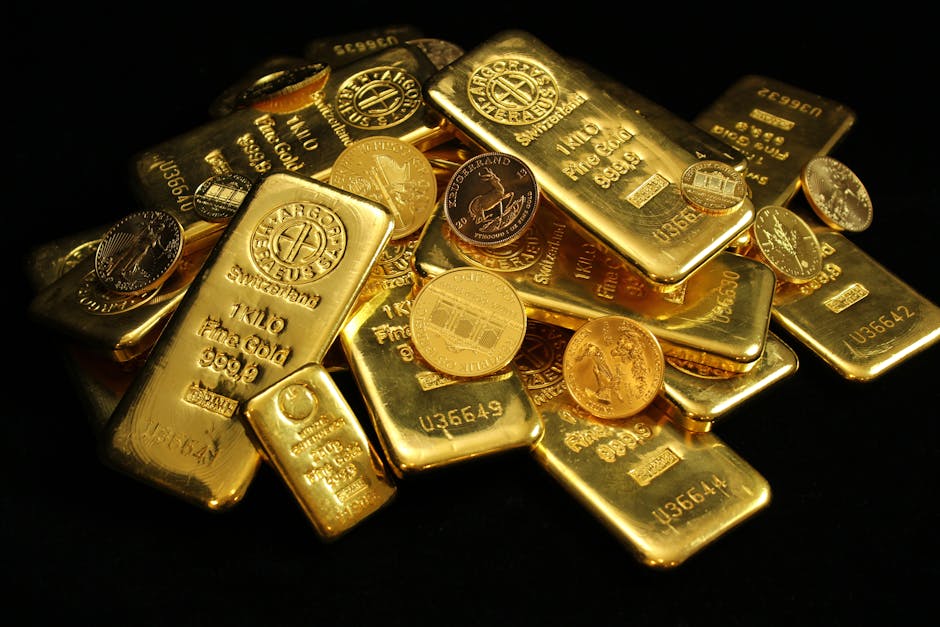
Photo: Pexels / Zlaťáky.cz
Gold prices experienced significant volatility, initially plunging as much as 9% to a four-month low before partially recovering. This selloff was primarily driven by macroeconomic factors, specifically the market reassessing expectations for Federal Reserve rate cuts in 2026, rather than escalating geopolitical tensions in Iran. A key shift in gold’s investment thesis is emerging, with accumulation by surplus countries, particularly China, now a more dominant driver than traditional safe-haven demand. Events impacting trade surpluses, like disruptions in the Strait of Hormuz, can negatively affect gold accumulation. Despite this shift, some analysts maintain a buy recommendation, viewing the dip as a compelling entry point. However, technical indicators point to a bearish bias below $4,500/oz, compounded by ongoing ETF outflows. While initial reactions to Iranian conflict de-escalation led to price trimming, volatility is expected to continue. The price steadied near $4,407, influenced by calmer oil trade and the Fed’s unchanged rate policy.
Source Articles
This article is based on analysis of 5 source articles from our news database.