Gold Market: Temporary Dip Amidst Long-Term Bullish Outlook
SentiSignal Editorial TeamMarch 25, 2026, 06:03 PM150 words5 sourcesAI-Generated · Reviewed by editorial team
Gold
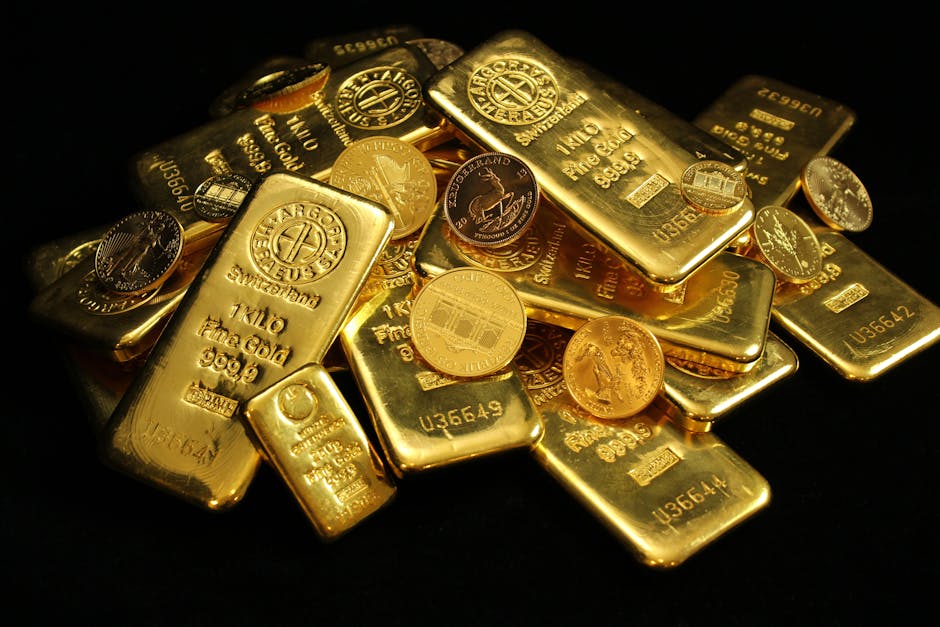
Photo: Pexels / Zlaťáky.cz
Recent gold price declines, almost erasing year-to-date gains, are largely attributed to a 'petrodollar funding event' – increased dollar demand to cover energy costs and debt obligations following the U.S.-Iran tensions. While the traditional inverse relationship with real interest rates persists, its influence has weakened since 2022, with sovereign demand and debasement trades remaining key drivers. Analysts suggest the pullback is a pause, not a reversal, of the long-term bullish trend, anticipating potential climbs to $3,000-$5,000. Gold miners (GDX) have corrected to projected targets, though sector fundamentals vary, with royalty and exploration firms better positioned than mining companies facing rising energy costs. Tokenized gold is emerging as a new demand source, potentially reaching billions in emerging markets. Despite short-term downside risks, selective accumulation of quality gold stocks is recommended. However, one analyst expresses a deteriorating narrative for precious metals following the nomination of Kevin Warsh as the next Fed Chair.
Source Articles
This article is based on analysis of 5 source articles from our news database.