SentiSignal Editorial TeamMarch 5, 2026, 12:01 AM156 words5 sourcesAI-Generated · Reviewed by editorial team
Gold
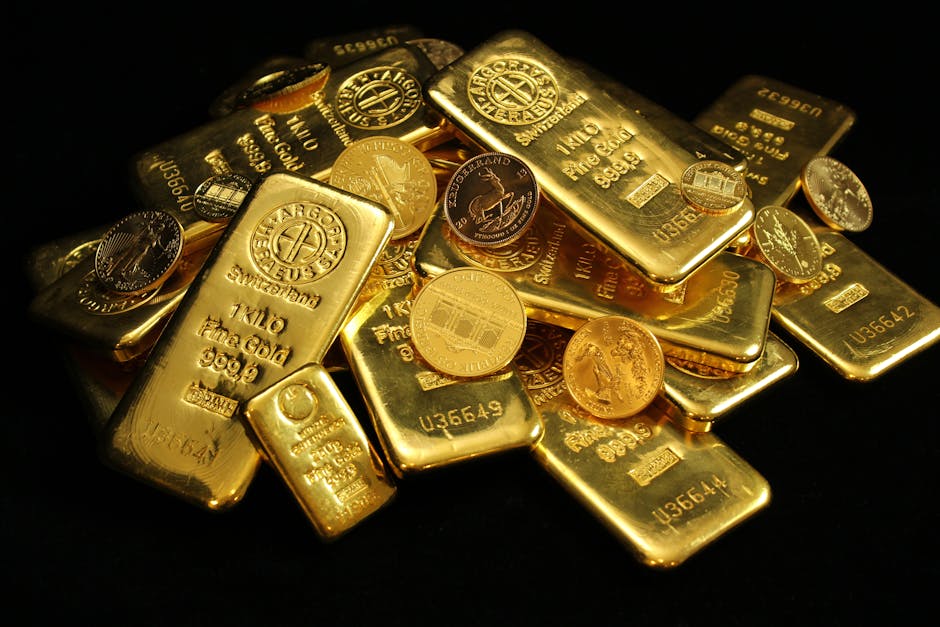
Photo: Pexels / Zlaťáky.cz
The gold market is currently experiencing a complex interplay of factors. Recent gains were initially spurred by escalating tensions in the Middle East, particularly disruptions to gold transport via Dubai due to flight cancellations. Despite this, and broader geopolitical uncertainty, a significant pullback occurred in February, though the long-term bullish thesis remains intact for many analysts. Central bank gold buying momentum has eased in January, with net purchases totaling 5 tons, a decrease from the 2025 average of 27 tons, though demand is broadening geographically. While geopolitical risks continue to drive safe-haven demand, some analysts predict a near-term 'shakeout' due to technically overbought conditions, potentially retesting February lows around $4,844. Despite this, long-term fundamentals, including AI-driven industrial demand and currency debasement, are expected to support higher prices. A double top formation is also being observed, suggesting a potential drop below $5,000. Retail investor accumulation of physical gold is noted as a supporting factor, creating tight supply.