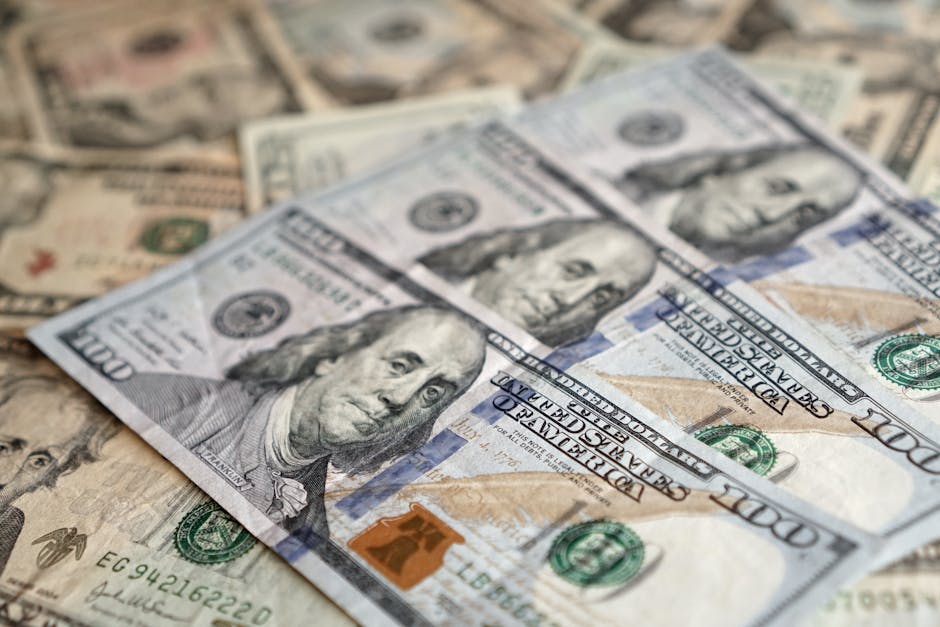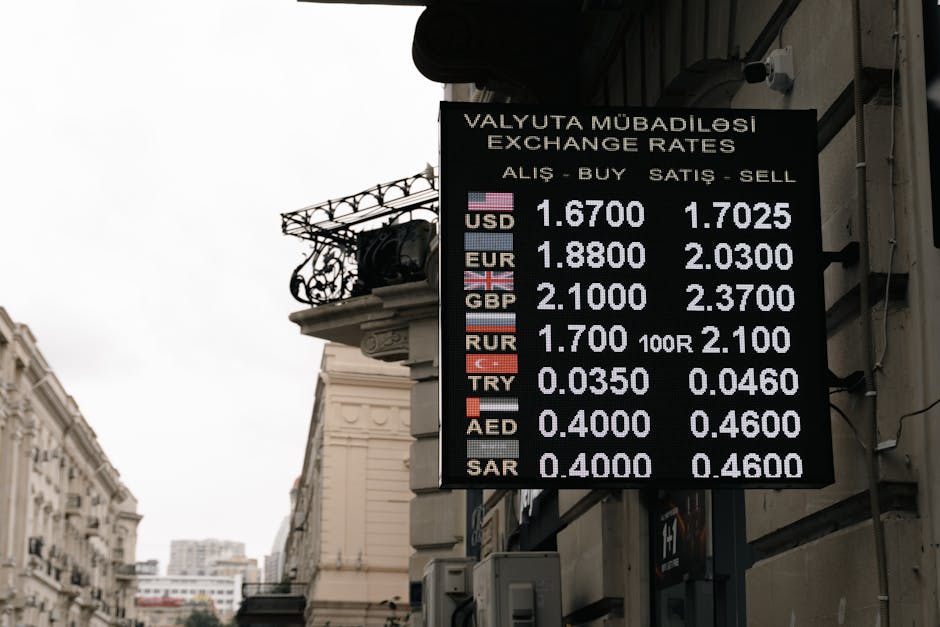
The global monetary landscape is undergoing a significant shift as the Reserve Bank of Australia (RBA) decisively broke away from the international trend of policy easing, delivering its first interest rate hike since 2023, following a rate cut as recently as August 2025 [2][6][12]. This hawkish pivot comes at a time of heightened uncertainty in the United States, where a partial government shutdown has paralyzed the release of critical labor market data, and the impending nomination of Kevin Warsh as the next Federal Reserve Chair has left investors grappling with the future trajectory of American monetary policy [1][14]. While the US Dollar remains a dominant force, supported by robust manufacturing data and its safe-haven status, the emergence of clear policy divergence is beginning to reshape currency pairs, most notably the AUD/USD, which surged past key psychological levels following the RBA's announcement [5][10].
The RBA’s Hawkish Pivot: Breaking the Easing Cycle
In a move that jolted global markets, the Reserve Bank of Australia (RBA) Board voted unanimously to increase the official cash rate by 25 basis points to 3.85% [2][6]. This decision marks a stark reversal from the previous easing cycle and represents the first rate increase since October 2023 [6][12]. The central bank's justification for the move was rooted in a material pickup in inflationary pressures during the second half of 2025 [2][12].
Inflationary Pressures and Capacity Constraints
RBA Governor Michele Bullock emphasized that the "inflation pulse is too strong" and that the bank cannot allow price growth to escape control again [5][9]. Data from the final quarter of 2025 revealed that the Australian Consumer Price Index (CPI) grew at an annualized pace of 3.6%, up from 3.2% in the previous period [5]. By December 2025, the CPI had jumped further to 3.8% Year-on-Year, exceeding market estimates of 3.6% [5][15].
The RBA's Statement on Monetary Policy (SoMP) highlighted several key factors driving this decision:
- Capacity Pressures: The board judged that the economy is operating with greater capacity pressure than previously assessed [12].
- Private Demand: Growth in private demand has been significantly stronger than expected in late 2025 [12][15].
- Labor Market: Conditions remain "a little tight," with the unemployment rate unexpectedly dropping to 4.1% in late 2025 [13][15].
- Accommodative Conditions: Some indicators suggest that financial conditions may have become "somewhat accommodative," necessitating a shift toward more restrictive settings [7][12].
Forward Guidance and Future Hikes
While Governor Bullock refrained from providing explicit forward guidance, stating that future moves remain data-dependent, the RBA's updated forecasts suggest a tightening bias [2][11]. The bank's internal assumptions now imply a cash rate rising to approximately 3.9% by June 2026 and 4.2% by December 2026 [12][15]. Markets have responded by pricing in an 80% probability of another 25 bps hike in May [2].
The US Dollar: Dominance Amidst Political and Data Uncertainty
Despite the hawkish surprise from Australia, the US Dollar (USD) has maintained a position of relative strength, though it faced immediate selling pressure against the Aussie and Kiwi dollars [6][7]. The US Dollar Index (DXY) recently traded flat around 97.60, holding near weekly highs [5][14].
The Impact of the Government Shutdown
A significant complication for USD traders is the ongoing partial federal government shutdown. The Bureau of Labor Statistics (BLS) has announced that the release of the January Nonfarm Payrolls (NFP) report, the Job Openings and Labor Turnover Survey (JOLTS), and other employment data will be delayed until funding is restored [2][7][14]. This has forced investors to rely on private indicators, such as the ADP Employment Change and ISM Services PMI, to gauge the health of the US economy [2][5].
Manufacturing Strength and Economic Resilience
The Greenback received a boost earlier in the week from the Institute for Supply Management (ISM), which reported that the US manufacturing sector returned to growth in January [5]. The Manufacturing PMI jumped to 52.6, significantly higher than the 47.9 recorded in December and crushing expectations of 48.5 [5][14]. Furthermore, the S&P Global Manufacturing PMI rose to 52.4, its best reading since May 2022 [14]. These figures suggest that despite high interest rates, the US industrial base remains resilient, potentially limiting the Federal Reserve's urgency to cut rates [14].
The Fed in Transition: The Kevin Warsh Nomination
Market sentiment is currently being shaped by the news that Kevin Warsh is to be nominated as the next Federal Reserve Chair, replacing Jerome Powell when his term ends in May 2026 [1]. The reaction to this news has been fragmented, with no clear consensus on how a Warsh-led Fed would operate [1].
Policy Leanings and AI Productivity
Some investors speculate that Warsh might seek to frame policy in a way that allows for eventual easing, potentially arguing that productivity gains from artificial intelligence (AI) could help contain inflation without the need for persistently high rates [1]. However, others expect a more hawkish stance, with a narrower focus on inflation control, financial stability, and a more aggressive reduction of the Fed's balance sheet [1].
Internal Dissent: The Miran Proposal
Adding to the complexity of the Fed's outlook are comments from Fed official Miran, who argued that current monetary policy is "too tight" [3]. Miran has proposed a bold reduction in interest rates by approximately 100 basis points (one percentage point) by the end of 2026, asserting that underlying inflation is no longer a problem and that the path to the 2% target is clear [3]. Miran also advocated for a smaller balance sheet but noted that regulatory changes would be required to avoid liquidity crunches during the reduction process [3].
Currency Market Reactions and Technical Outlook
The divergence between the RBA's tightening and the Fed's uncertain path has created significant volatility in the foreign exchange markets. The Fear & Greed Index currently sits at 39, indicating a prevailing sentiment of "Fear" among investors as of May 2, 2026 [Market Data].
AUD/USD: The Primary Beneficiary
The AUD/USD pair surged over 1% following the RBA decision, trading around 0.7011 and breaking above the 100-hour moving average of 0.6997 [2][10]. Analysts at Brown Brothers Harriman (BBH) noted that the diverging policy paths support a continued uptrend for the pair [4]. The Australian Dollar also showed significant strength against other majors, gaining 0.96% against the Japanese Yen and 0.79% against the Euro [5].
EUR/USD and Safe-Haven Assets
The Euro has struggled against the Dollar, slipping below the 1.1800 level [14]. Strong US PMI data and the Warsh nomination have pressured the shared currency, with technical analysts eyeing support at the 50-day Simple Moving Average of 1.1717 [14]. Meanwhile, precious metals have seen a resurgence; gold (XAU/USD) rose nearly 5% to trade just below $4,900, while silver (XAG/USD) surged 8.5% to trade above $86 [7].
Conclusion: A Landscape of Divergence
The current market environment is defined by a growing disconnect between central bank strategies. The RBA has taken a definitive stand against persistent inflation, signaling that the era of easing is over for Australia [10][12]. In contrast, the Federal Reserve faces a period of leadership transition and data opacity due to political gridlock, leaving the future of US rates in a state of "steady but fragile" pricing [1]. For investors, the key catalysts moving forward will be the resolution of the US government shutdown, the formalization of the Fed's leadership change, and upcoming Australian employment data, which will determine if the RBA's hike is the start of a sustained tightening cycle or a isolated risk-management move [2][13].