UAE Investment in WLFI and Regulatory Scrutiny: A Geopolitical Risk Analysis for Crypto
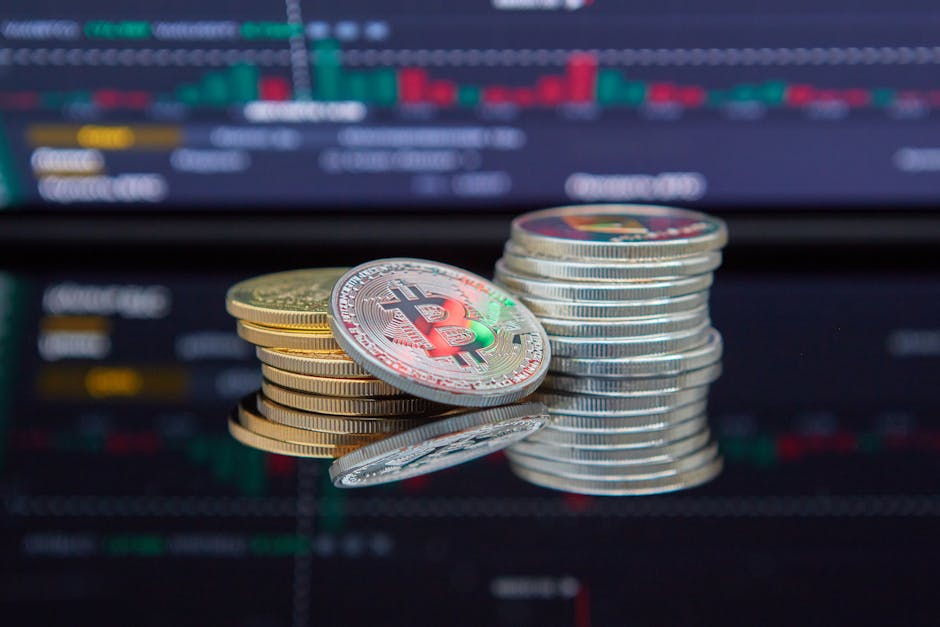
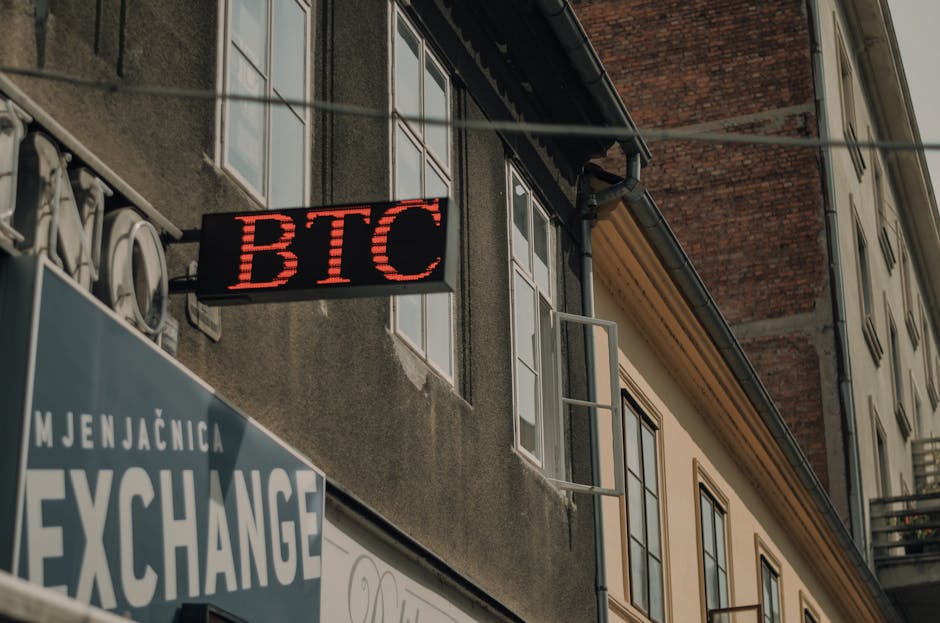
Photo: Pexels / DS stories
The intersection of global finance, emerging digital assets, and high-stakes geopolitics has rarely been more apparent than in the recent scrutiny surrounding a significant investment by a United Arab Emirates (UAE)-backed entity into World Liberty Financial (WLFI), a cryptocurrency firm with reported ties to former U.S. President Donald Trump. This development has not only sent ripples through the crypto market, particularly impacting the WLFI token, but has also ignited a fierce debate among U.S. lawmakers regarding national security implications and the broader regulatory landscape for digital assets. The incident underscores the increasing complexity of foreign investment in sensitive sectors and the evolving challenges of oversight in the rapidly expanding world of cryptocurrency.
The $500 Million Investment and Its Political Ramifications
At the heart of the controversy is a reported $500 million investment by an Abu Dhabi-linked vehicle into World Liberty Financial, a crypto firm that has been consistently described as "Trump-linked" blockonomi.com bitcoinist.com cryptonews.com cryptopolitan.com cointelegraph.com. This substantial investment reportedly secured a 49% stake in World Liberty Financial for the foreign entity, positioning it as the largest outside shareholder blockonomi.com bitcoinist.com cryptonews.com. The timing of this transaction has drawn particular attention, as reports indicate that $187 million of the investment was directed to entities linked to the Trump family just days before the presidential inauguration blockonomi.com. This confluence of foreign capital, political connections, and the sensitive nature of financial technology has naturally raised eyebrows in Washington.
World Liberty Financial's operations involve the collection of various user data, including wallet addresses, device identifiers, and location data from its U.S. users blockonomi.com. This aspect of the firm's activities has become a central point of concern for lawmakers, who fear potential national security risks associated with a foreign government-linked entity holding a significant stake in a company with access to such sensitive information on American citizens blockonomi.com bitcoinist.com cryptonews.com cryptopolitan.com cointelegraph.com. The significant stake held by a foreign entity, especially one linked to a foreign government, in a firm handling such sensitive data on U.S. citizens, raises questions about data sovereignty, potential for espionage, and the integrity of U.S. financial and technological infrastructure. The political ties further complicate the matter, suggesting a potential avenue for undue influence or leverage.
Senatorial Scrutiny and National Security Concerns
The investment quickly drew the attention of U.S. lawmakers, leading to a formal demand for a national security review. Democratic Senators Elizabeth Warren and Andy Kim spearheaded this effort, sending a letter on February 13, 2026, to Treasury Secretary Scott Bessent crypto.news cryptopolitan.com cointelegraph.com. In their letter, the Senators urged Bessent to initiate a probe by the Committee on Foreign Investment in the United States (CFIUS) into the UAE's stake in World Liberty Financial crypto.news blockonomi.com cryptonews.com cryptopolitan.com cointelegraph.com.
CFIUS is an interagency committee of the U.S. government that reviews the national security implications of foreign investments in U.S. businesses. Its mandate is to determine whether a foreign investment could pose a threat to U.S. national security, and it has the authority to recommend that the President block or unwind transactions. The core of the Senators' concern revolves around whether the reported stake in the Trump-linked project warrants a national security review cryptopolitan.com. They have set a deadline of March 5, 2026, for the Treasury Secretary to confirm whether such a security review is proceeding blockonomi.com. The lawmakers' pressure highlights a growing apprehension in Washington regarding foreign influence, particularly from entities linked to foreign governments, in critical technological and financial sectors within the United States bitcoinist.com cryptonews.com cryptopolitan.com cointelegraph.com. The fact that the firm collects sensitive user data, including wallet addresses, device identifiers, and location data from U.S. users, amplifies these national security concerns, making the case for a CFIUS review particularly compelling blockonomi.com. This scrutiny reflects a broader trend of governments worldwide grappling with how to regulate digital assets and foreign investment in the rapidly evolving Web3 space, especially when national security interests are perceived to be at stake.
Market Reaction: WLFI Under Pressure
The news of the Senate's demand for a probe had an immediate and discernible impact on the WLFI token's market performance. Following the developments, the WLFI token experienced a notable decline, falling by approximately 8% as investors began to price in the potential implications of the regulatory scrutiny coingape.com. This sharp drop underscores the sensitivity of crypto markets to regulatory and geopolitical news, especially when high-profile political figures and national security concerns are involved.
Looking at a broader timeframe, the WLFI token has shown a more significant downward trend. According to market data, from an oldest recorded price of $0.56, the token's latest price stands at $0.13 as of February 05, 2026, representing a change of -77.22% over the period [Market Data]. This substantial decline suggests that while the 8% drop was directly attributable to the Senate probe news, the token was already facing significant headwinds in the market, potentially due to broader market sentiment or specific concerns related to the project's fundamentals or political associations.
In terms of market sentiment, WLFI has exhibited a mixed but generally positive outlook from its analyzed sources. With an average sentiment score of 0.106, a median of 0.100, and a VADER score of 0.510 across 52 sources, the underlying sentiment for WLFI appears to be relatively robust despite the recent price pressures [Market Data]. This could indicate that while immediate news-driven events cause price fluctuations, the long-term perception or fundamental belief in the project among its community or analysts remains somewhat optimistic, perhaps due to its perceived political backing or future potential.
For comparison, Bitcoin (BTC), the leading cryptocurrency, also experienced a significant price correction during a similar period. According to market data, BTC's latest price was $68,808.82 on February 17, 2026, down from an oldest price of $92,631.00, marking a change of -25.72% [Market Data]. This broader market downturn for BTC suggests that the WLFI token's struggles might also be partly attributable to wider market forces affecting the crypto space, rather than solely the specific regulatory pressures it faces. The overall market correction could have exacerbated WLFI's decline, making it difficult to isolate the exact impact of the regulatory news.
Bitcoin's sentiment, based on a much larger sample of 20034 sources, shows an average of 0.080 and a VADER score of 0.154, with the median sentiment not available [Market Data]. This indicates a more neutral to slightly positive sentiment for BTC compared to WLFI's more distinctly positive scores, suggesting that WLFI, despite its political entanglements and significant price drop, might still hold a more favorable perception among its specific set of analyzed sources, possibly reflecting a dedicated community or niche investor base.
WLFI as a Potential Market Indicator
Intriguingly, some studies have begun to suggest that WLFI could potentially serve as an 'early warning signal' in the broader cryptocurrency market reddit.com cointelegraph.com. One such study noted that the Trump-linked WLFI token dropped more than five hours before a significant $6.9 billion crypto liquidation event cointelegraph.com. This observation raises pertinent questions about whether WLFI's price movements could be indicative of impending market stress or larger shifts within the crypto ecosystem reddit.com cointelegraph.com. If further research substantiates this hypothesis, WLFI's market behavior, beyond its direct fundamentals and political ties, could gain additional significance for investors looking for predictive indicators in the volatile crypto landscape. The unique political connections and the high-profile nature of the project might make it particularly sensitive to shifts in regulatory sentiment or broader economic anxieties, potentially acting as a canary in the coal mine for the wider digital asset market. This potential role as an early indicator adds another layer of complexity to its market analysis, moving beyond simple supply-demand dynamics to include its geopolitical and regulatory sensitivities.
The UAE's Growing Role in the Crypto Landscape
The controversy surrounding the WLFI investment unfolds against a backdrop of the UAE's ambitious and proactive strategy to position itself as a global hub for blockchain innovation and digital assets. The emirate of Dubai, in particular, is actively building compliance-driven crypto markets and is considered a strategic hub for institutional clients decrypt.co. Animoca Brands, a prominent player in the blockchain space, was recently granted a Dubai license, underscoring the emirate's commitment to fostering a regulated and attractive environment for crypto businesses decrypt.co. This strategic approach is not merely about attracting capital but about establishing a robust, regulated ecosystem that can withstand global scrutiny and attract legitimate, long-term players.
The UAE's approach is characterized by a "masterclass in digital transformation," where it has diligently organized its regulatory and technical infrastructure to support the burgeoning blockchain sector cryptodaily.co.uk. While traditional financial hubs often contend with aging infrastructure and fragmented regulations, the UAE has taken a more unified and forward-looking stance cryptodaily.co.uk. This proactive approach has led many to view the UAE as the "new frontier for blockchain innovation," significantly altering the global financial map cryptodaily.co.uk. This forward-thinking strategy involves creating clear regulatory frameworks, investing in technological infrastructure, and actively engaging with global financial bodies to integrate digital assets into the mainstream financial system.
Further demonstrating its commitment to integrating digital assets into its financial framework, the central banks of the UAE and Hong Kong have agreed to deepen cooperation on cross-border debt market links, digital assets, and stablecoin regulation crowdfundinsider.com. This collaboration, which includes the UAE central bank formally joining Hong Kong’s Central Moneymarkets Unit (CMU), signifies the UAE's intent to play a leading role in shaping the future of digital finance on an international scale crowdfundinsider.com. Such international collaborations are crucial for establishing interoperability and regulatory harmony in the global digital asset space. This broader context highlights a paradox: while the UAE is actively seeking to attract and regulate crypto investments, specific high-profile investments, especially those with political sensitivities, can still trigger significant geopolitical and regulatory challenges, even for a nation striving for regulatory clarity and compliance.
Geopolitical Implications for the Crypto Market
The scrutiny over the UAE's investment in World Liberty Financial carries significant geopolitical implications for the broader cryptocurrency market. Firstly, it underscores the increasing convergence of national security interests with financial technology. As crypto firms become more integrated into the global financial system and handle sensitive user data, foreign investments in such entities are likely to face heightened examination from national governments, particularly in countries like the U.S. with robust foreign investment review processes like CFIUS crypto.news blockonomi.com bitcoinist.com cryptonews.com cryptopolitan.com cointelegraph.com. This means that the due diligence for crypto investments will increasingly need to include a thorough assessment of geopolitical risks, beyond traditional financial metrics.
Secondly, the incident highlights the potential for political affiliations and the perceived influence of foreign governments to complicate what might otherwise be seen as purely commercial transactions. The "Trump-linked" nature of World Liberty Financial has undeniably amplified the political sensitivity of the UAE's investment, turning a financial deal into a matter of public and congressional debate coingape.com crypto.news blockonomi.com bitcoinist.com cryptonews.com cryptopolitan.com cointelegraph.com. This suggests that crypto firms with connections to politically exposed persons or entities may face additional layers of scrutiny when seeking foreign investment, potentially limiting their access to global capital or increasing the cost of compliance. Investors, too, will need to consider the political exposure of their crypto holdings and investments, as these can become targets for regulatory or political action.
Finally, this situation could influence the regulatory environment for crypto globally. As nations like the UAE strive to create compliance-driven crypto markets decrypt.co, incidents of regulatory pushback from major economies like the U.S. could lead to a more cautious approach from both investors and regulators. It may prompt a re-evaluation of due diligence processes for foreign investments in crypto firms, emphasizing not just financial viability but also geopolitical and national security risks. The demand for transparency and accountability in cross-border crypto investments is likely to intensify, shaping future policies and investment flows in the digital asset space. This could lead to a more fragmented global crypto market, where different jurisdictions impose varying levels of scrutiny based on their national security priorities, potentially hindering the seamless, borderless vision often associated with cryptocurrency.
Conclusion
The controversy surrounding the UAE's $500 million investment in Trump-linked World Liberty Financial and the subsequent demand for a U.S. national security probe represents a critical juncture for the cryptocurrency market. It vividly illustrates the complex interplay between global capital, political influence, and national security in the digital age. While the UAE continues its ambitious drive to become a leading hub for blockchain innovation, this specific investment has exposed the geopolitical sensitivities inherent in cross-border crypto finance. The WLFI token's immediate price decline reflects market apprehension, even as its broader sentiment remains somewhat positive. The ongoing scrutiny by U.S. Senators underscores a growing imperative for robust regulatory frameworks to address potential national security risks associated with foreign investment in crypto firms, particularly those handling sensitive user data. As the crypto market matures, such geopolitical considerations are likely to become increasingly central to investment decisions and regulatory oversight, shaping the future trajectory of digital assets on a global scale. The incident serves as a stark reminder that in an interconnected world, even seemingly purely financial transactions in the digital realm can quickly become matters of international political and security concern.
Related
UAE's $500M WLFI Stake Faces US Senate Scrutiny
Feb 16, 2026
Trump’s Crypto Policy Shift vs. WLFI’s $4.3B Retail Collapse
May 2, 2026
Stablecoin Regulation and the WLFI-Sun Legal Battle
Jun 2, 2026
Iran Conflict Triggers Crypto Volatility, Sanctions Scrutiny
Mar 1, 2026

Crypto & National Security: Sanctions, Regulation, and Risk
Feb 25, 2026

US-Iran Geopolitics and Regulatory Crackdowns Shake Crypto Markets
May 8, 2026
Source Articles
This article is based on analysis of 11 source articles from our news database.
- 1Decrypt·Vismaya V·decrypt.co·
- 2CoinGape·Michael Adeleke·coingape.com·
- 3Crypto news·Ann Maria Shibu·crypto.news·
- 4Blockonomi·Brenda Mary·blockonomi.com·
- 5Bitcoinist·Christian Encila·bitcoinist.com·
- 6Crypto Daily·CryptoDaily·cryptodaily.co.uk·
- 7CryptoNews·Ahmed Balaha·cryptonews.com·
- 8CrowdFundInsider·Michael Wong·crowdfundinsider.com·
- 9Cointelegraph·Cointelegraph by Amin Haqshanas·cointelegraph.com·
- 10Cryptopolitan·Owotunse Adebayo·cryptopolitan.com·
- 11Cointelegraph·Cointelegraph by Amin Haqshanas·cointelegraph.com·