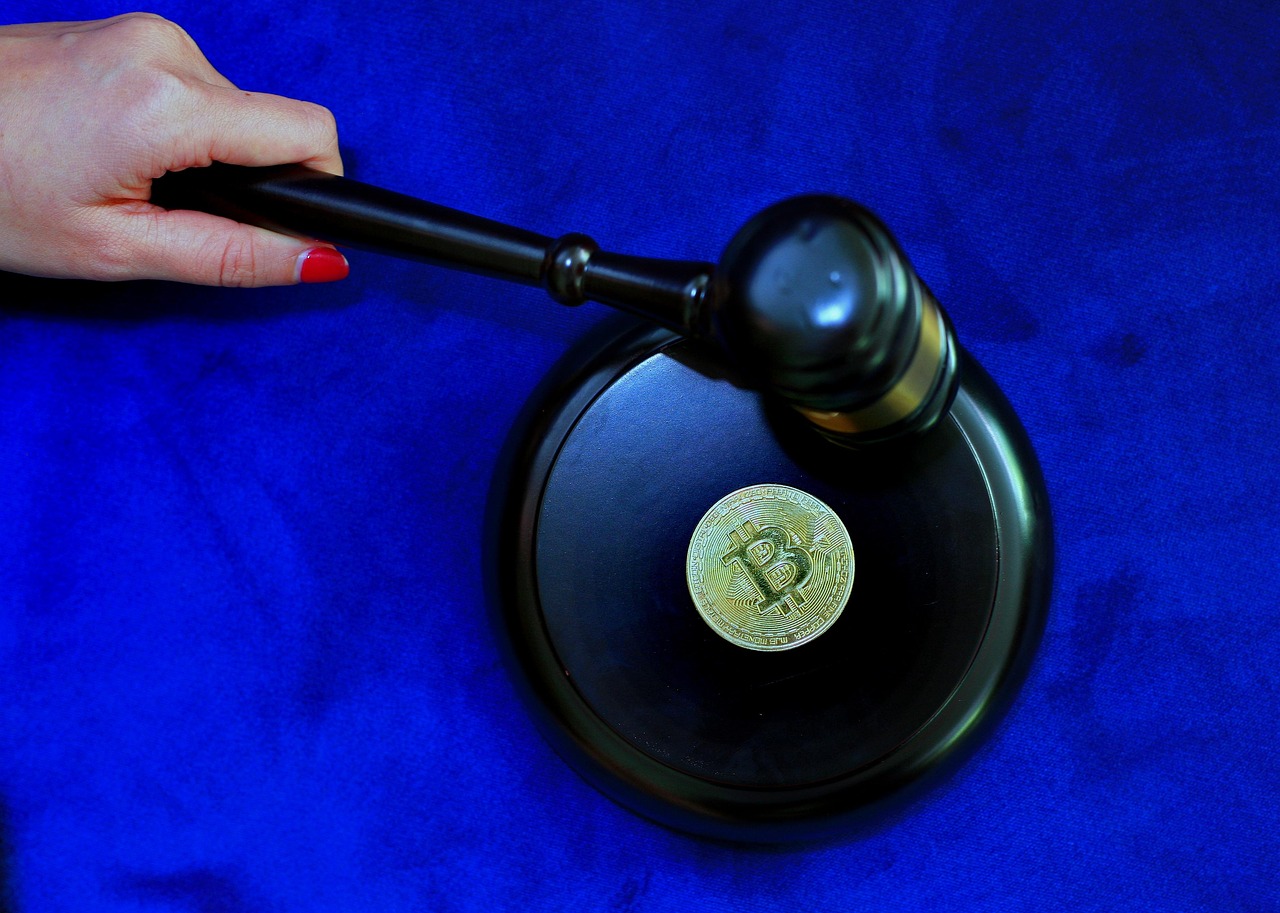
The intersection of decentralized finance (DeFi) and traditional regulatory frameworks has reached a volatile new chapter as the digital asset industry grapples with high-profile wallet freezes, aggressive legislative lobbying, and unprecedented legal challenges to the concept of self-custody. While stablecoin issuers like Circle and platforms like World Liberty Financial (WLFI) increasingly utilize centralized control mechanisms to manage security risks and compliance, these actions have sparked a fierce debate over the fundamental promise of blockchain technology: permissionless ownership. From the halls of the U.S. Senate to the technical backdoors of smart contracts, the struggle for control over digital liquidity is reshaping the future of the global financial system.
The Centralization Paradox: Wallet Freezes and the WLFI Controversy
The tension between decentralized ideals and centralized operational control was recently highlighted by the escalating legal battle between Tron founder Justin Sun and World Liberty Financial (WLFI). In September 2025, WLFI executed a freeze on 272 wallets, including those belonging to Sun, following a phishing incident crypto.news. The project justified the action as a defensive measure to protect user funds, alleging that Sun had moved approximately $9 million in tokens in a manner that potentially violated investment terms crypto.news.
This incident has exposed deep structural questions regarding the governance of DeFi protocols. Sun’s legal team argues that the WLFI smart contract contains a "secret backdoor" that allows the project to blacklist and freeze any holder’s tokens without prior notice crypto.news. By December 2025, Sun’s locked position had reportedly lost $60 million in value as the WLFI token price declined crypto.news. The dispute has now moved to federal courts in California and Florida, with Sun claiming losses exceeding $320 million and WLFI countersuing for defamation and breach of contract crypto.news.
The use of blacklisting functions is not unique to WLFI. Major stablecoin issuers like Circle and Tether have long maintained the ability to freeze assets at the request of law enforcement or in response to security breaches. However, the scale and political visibility of the WLFI-Sun feud have brought renewed scrutiny to whether a project can market itself as decentralized infrastructure while retaining absolute technical control over its governance tokens crypto.news.
Legislative Battlegrounds: The CLARITY Act and Banking Resistance
As the industry faces internal governance crises, external regulatory pressure is mounting through the proposed CLARITY Act. This legislation aims to establish a federal framework for stablecoins in the United States, but it has met fierce resistance from the traditional banking sector. JPMorgan Chase CEO Jamie Dimon has emerged as a leading critic, stating that the banking industry "will not accept" the bill in its current form decrypt.co ambcrypto.com.
A primary point of contention is the issue of stablecoin yield. Under the GENIUS Act signed by President Donald Trump in July 2025, stablecoin issuers like Circle are prohibited from offering yield directly to clients, but third-party platforms like Coinbase are permitted to do so decrypt.co. Dimon argues that this creates an uneven playing field, allowing crypto firms to function like banks without adhering to the same stringent capital and liquidity requirements ambcrypto.com. Dimon has specifically targeted Coinbase CEO Brian Armstrong, accusing him of spending hundreds of millions of dollars to lobby for favorable language in the bill decrypt.co.
The banking lobby is pushing for amendments that would close the yield loophole, while the crypto industry argues that these provisions are essential for the growth of the digital asset market in the U.S. decrypt.co. Despite this friction, the CLARITY Act passed a key Senate Banking Committee vote in May 2026 and currently has a 59% chance of being signed into law by the end of the year, according to Polymarket predictors decrypt.co.
The Threat to Self-Custody: Dormant Wallets and Legal Precedents
Perhaps the most existential threat to the crypto ethos is a new legal theory being tested in New York courts. A lawsuit filed by a plaintiff identified as Noah Doe seeks to claim ownership of 39,069 dormant Bitcoin wallets, arguing they qualify as abandoned property under New York Personal Property Law Article 7-B crypto.news. The wallets in question hold approximately 3.7 million BTC, valued at roughly $286 billion crypto.news.
The list of targeted addresses includes wallets linked to Bitcoin creator Satoshi Nakamoto and the "1Feex" wallet associated with the Mt. Gox hack crypto.news. Industry leaders have reacted with alarm. Cardano founder Charles Hoskinson described the legal theory as "absurd and dangerous," comparing it to someone claiming ownership of cash in a private safe simply because it hasn't been moved u.today crypto.news.
Ripple CTO Emeritus David Schwartz has also criticized the suit, questioning how a New York court can claim jurisdiction over decentralized wallets with unknown owners crypto.news. While a court order would not technically unlock the Bitcoin without private keys, Schwartz warned that such a ruling could allow plaintiffs to pressure exchanges and custodians to freeze funds if they ever move through U.S.-based platforms crypto.news.
Stablecoin Integration and the Rejection of CBDCs
While the legal and regulatory battles rage, the Trump administration has taken a firm stance on the future of digital currency in the U.S. Treasury Secretary Scott Bessent recently confirmed that the administration has ruled out the creation of a Federal Reserve-issued Central Bank Digital Currency (CBDC) ambcrypto.com. The Senate has already passed legislation banning a CBDC until at least 2030, citing concerns over state surveillance and the potential for tracking citizen transactions ambcrypto.com.
Instead, the administration is focusing on the CLARITY Act to promote private stablecoins as the primary digital dollar infrastructure ambcrypto.com. This shift is already being reflected in the private sector. Cash App, operated by Block, Inc., recently introduced support for Circle’s USDC across four blockchains: Solana, Ethereum, Polygon, and Arbitrum blockonomi.com. Cash App, which has 59 million monthly active accounts, automatically converts incoming USDC into U.S. dollar balances for its users blockonomi.com.
Furthermore, the Office of the Comptroller of the Currency (OCC) has granted national trust bank charters to approximately 10 crypto-related firms, including Ripple, Circle, and Coinbase ambcrypto.com. These charters allow firms to custody digital assets and operate nationwide without individual state licenses, a move that Senator Elizabeth Warren has criticized as allowing "crypto banks" to evade traditional safeguards ambcrypto.com.
Security Risks and the Rise of Smart Contract Exploits
The push for institutional adoption is occurring against a backdrop of persistent security vulnerabilities. In May 2026 alone, DeFi protocols lost approximately $52 million to exploits, following a staggering $634 million in losses recorded in April crypto.news. A notable incident involved DxSale, where an attacker utilized a hidden backdoor in a liquidity locker contract to drain $7.3 million in BNB crypto.news.
Security experts like OpenZeppelin co-founder Manuel Aráoz have warned that AI-assisted vulnerability discovery is making it easier for attackers to identify and exploit software weaknesses before developers can patch them crypto.news. Cumulative losses from crypto exploits have now surpassed $17 billion, with $7.8 billion stolen specifically from DeFi protocols crypto.news.
These security concerns are also influencing the European market. UniCredit director Elena Carletti has warned that the European Union may struggle to contain a crypto-linked banking crisis under the Markets in Crypto-Assets (MiCA) regulation crypto.news. MiCA requires stablecoin issuers to hold 60% of their reserves in bank deposits, a requirement that Tether CEO Paolo Ardoino argues could create systemic risk by tying stablecoin stability too closely to traditional bank balance sheets crypto.news.
Conclusion: A System in Transition
The current state of the digital asset market is defined by a fundamental tension between the desire for institutional legitimacy and the preservation of decentralized principles. The WLFI-Sun dispute and the New York dormant wallet lawsuit represent critical tests for the legal definition of digital ownership and the limits of smart contract governance. Meanwhile, the legislative battle over the CLARITY Act highlights the growing competition between traditional banks and crypto-native firms for control over the future of payments. As the U.S. government moves to codify a digital asset market structure while rejecting a CBDC, the industry must navigate a landscape where security exploits remain a constant threat and the very concept of self-custody is under legal siege. The resolution of these conflicts will determine whether the next generation of finance remains open and permissionless or becomes a more regulated extension of the existing banking system.