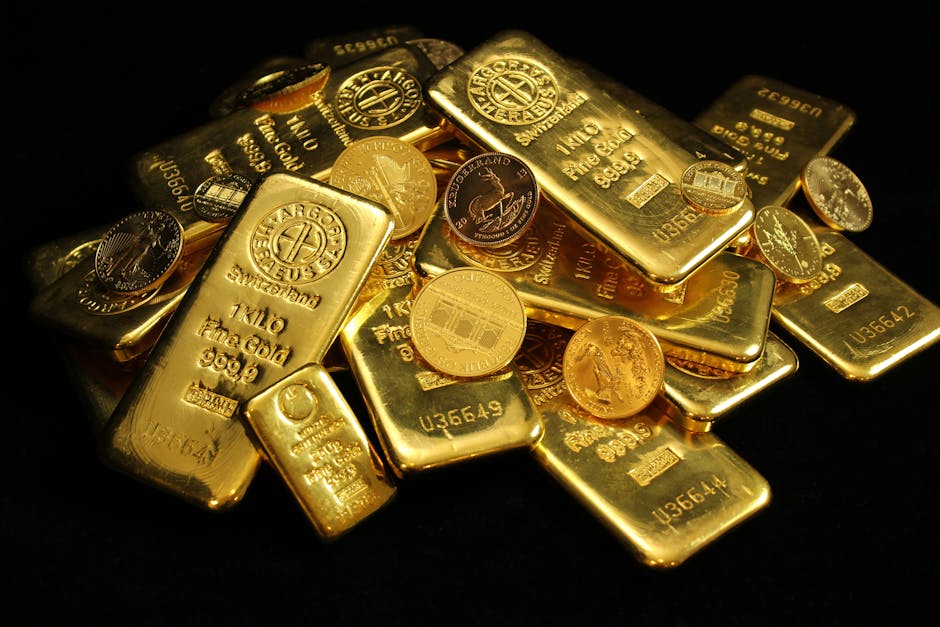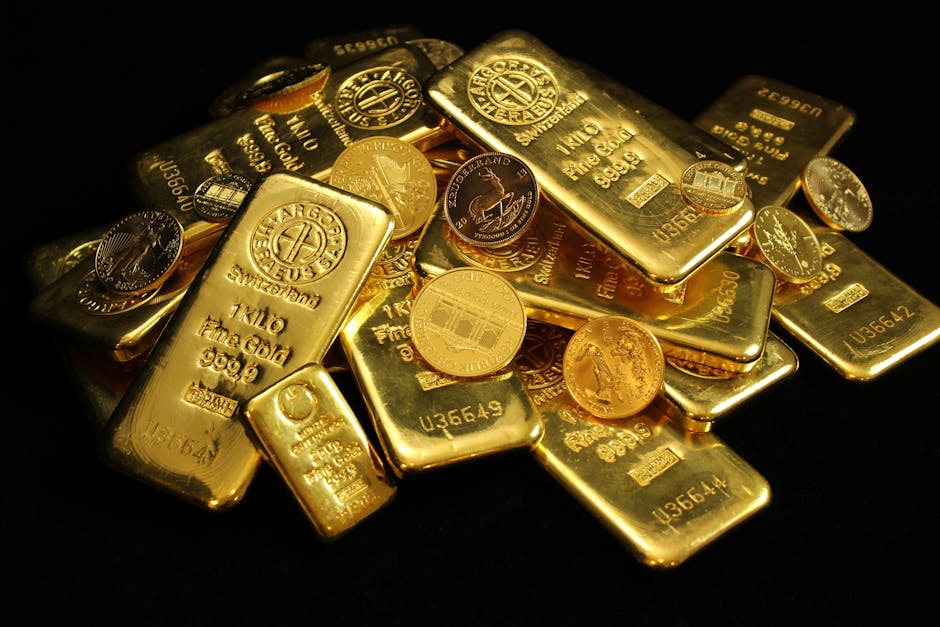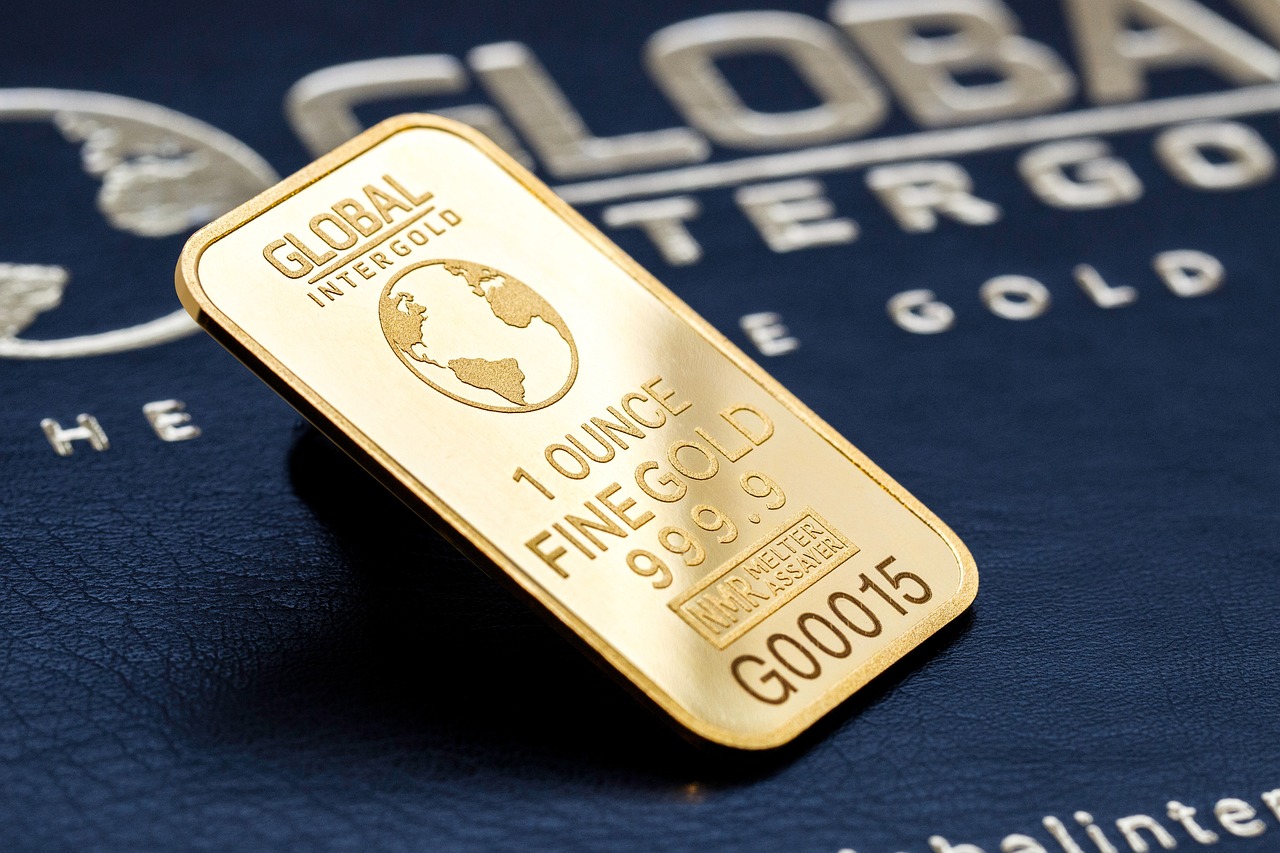
Gold (XAU/USD) continues to assert its dominance as the ultimate hedge against systemic instability, trading within a tight range of $4,490 to $4,510 as of late March 2026. While the broader market sentiment reflects a state of "Fear," with the Fear & Greed Index currently sitting at 27, the precious metal is benefiting from a profound structural shift in global finance. Investors are increasingly looking past short-term volatility toward a long-term thesis defined by the erosion of the U.S. dollar's hegemony and a relentless surge in producer-level inflation. As central banks accelerate the repatriation of their physical gold holdings, the metal is no longer just a speculative asset but a cornerstone of a re-emerging multipolar reserve system.
The Great Repatriation: Central Banks Abandon the Dollar Standard
A primary driver of the current bullish sentiment in the gold market is the accelerating trend of gold repatriation by global central banks seekingalpha.com. This movement signals a significant decline in trust regarding the dollar-based financial system that has dominated global trade since the mid-20th century. Analysts note that central banks are increasingly moving their physical gold back to domestic vaults, reinforcing gold’s role as a primary reserve asset seekingalpha.com.
In a historic milestone, the total value of gold holdings held by central banks has now surpassed the value of U.S. Treasury bonds in their reserves seekingalpha.com. This shift underscores a long-term strategic move away from dollar dependency. Despite short-term headwinds, such as record outflows from gold-backed ETFs, the underlying investment thesis remains robust, with some analysts maintaining a long-term price target of $6,000 per ounce seekingalpha.com.
Inflationary Pressures: PPI Data Signals Persistent Costs
The macroeconomic backdrop for gold remains supportive due to stubborn inflationary pressures at the producer level. In March 2026, the Producer Price Index (PPI) for final demand accelerated sharply to 4.0% on a year-over-year basis, marking the highest level since February 2023 wolfstreet.com. On a month-to-month basis, the overall PPI jumped by 0.51%, which translates to a 6.3% annualized rate wolfstreet.com. This follows annualized jumps of 6.1% in February and 6.8% in January wolfstreet.com.
The energy sector has been a significant contributor to these figures. Energy prices spiked by 8.5% in March alone, an astounding 165% on an annualized basis wolfstreet.com. This volatility pushed the year-over-year energy PPI increase to 11.2% wolfstreet.com. While food prices provided a slight reprieve, falling 0.27% month-to-month, they remain 33% higher than mid-2020 levels wolfstreet.com. For gold investors, this persistent "high-floor" inflation suggests that real interest rates may remain under pressure, enhancing the appeal of non-yielding assets.
The Services Sector and Core Inflation
While energy grabbed headlines, the services PPI—which accounts for 68% of the total index—remained nearly flat in March, ticking up only 0.05% wolfstreet.com. However, the long-term trend remains aggressive; since mid-2020, the services PPI has risen by 28% wolfstreet.com. Core PPI, which excludes volatile food and energy components, rose by 0.09% in March, bringing the year-over-year core rate to 3.75% wolfstreet.com. This data suggests that while the pace of inflation may fluctuate, the underlying cost structure of the economy is significantly higher than pre-pandemic levels, providing a fundamental floor for gold prices.
Energy Market Dynamics and Geopolitical Influence
The gold market is also reacting to shifts in the energy landscape and geopolitical developments. Gold futures recently saw gains as the U.S. dollar drifted lower and crude oil prices dropped below $100 per barrel seekingalpha.com. This movement was partly attributed to renewed hopes for dialogue between the U.S. and Iran, which eased some immediate inflation concerns and supported broader market stability seekingalpha.com.
However, the oil market remains volatile. The Energy Information Administration (EIA) recently reported a surprise decline in U.S. crude oil inventories of 0.913 million barrels, defying analyst expectations of a 2.100 million barrel increase investing.com. This followed a previous week where inventories had risen by 3.081 million barrels investing.com. Conversely, data from the American Petroleum Institute (API) showed a sharp rise of 6.100 million barrels in a separate reporting period, far exceeding the forecasted decline of 1.300 million barrels investing.com. These conflicting signals in the energy sector contribute to the "Fear" sentiment in the market, as investors struggle to gauge the trajectory of global demand.
The Silver Correlation and Historical Context
Gold's trajectory is often mirrored by silver, which is currently showing signs of a major bull market cycle similar to the 1970s seekingalpha.com. Silver is currently trading only about 58% higher than its 1980 peak seekingalpha.com. Historical analysis suggests that major bull markets typically do not conclude so close to their previous cycle highs, suggesting significant upside potential for the entire precious metals complex seekingalpha.com. Analysts compare the current market position to 2004, indicating that the bull run is still in its relatively early stages seekingalpha.com.
Consumer Impact and Economic Sentiment
The broader economic environment is weighing heavily on consumers. In the United States, the cost of vehicle ownership—including insurance, maintenance, and fuel—has soared by 36% since 2020 wolfstreet.com. Similar pressures are being felt globally; in Australia, consumer sentiment plunged in April following a spike in fuel prices seekingalpha.com. This widespread erosion of purchasing power reinforces the narrative that fiat currencies are losing value, driving retail and institutional interest back toward gold as a "historical point" of stability amid war and peace negotiations .
Conclusion: A Multipolar Future for Gold
The current market analysis for Gold (XAU/USD) suggests a metal caught between short-term technical fluctuations and a powerful long-term fundamental tailwind. With the Fear & Greed Index at 27, the immediate environment is cautious, yet the structural drivers—central bank repatriation seekingalpha.com, persistent PPI inflation at 4.0% wolfstreet.com, and the historical undervaluation of silver seekingalpha.com—point toward a sustained upward trajectory. As the global economy navigates the complexities of post-pandemic recovery and shifting geopolitical alliances, gold remains the primary beneficiary of a world seeking refuge from dollar volatility and systemic inflation.