Kraken and Federal Reserve Access: A Paradigm Shift for Crypto Integration

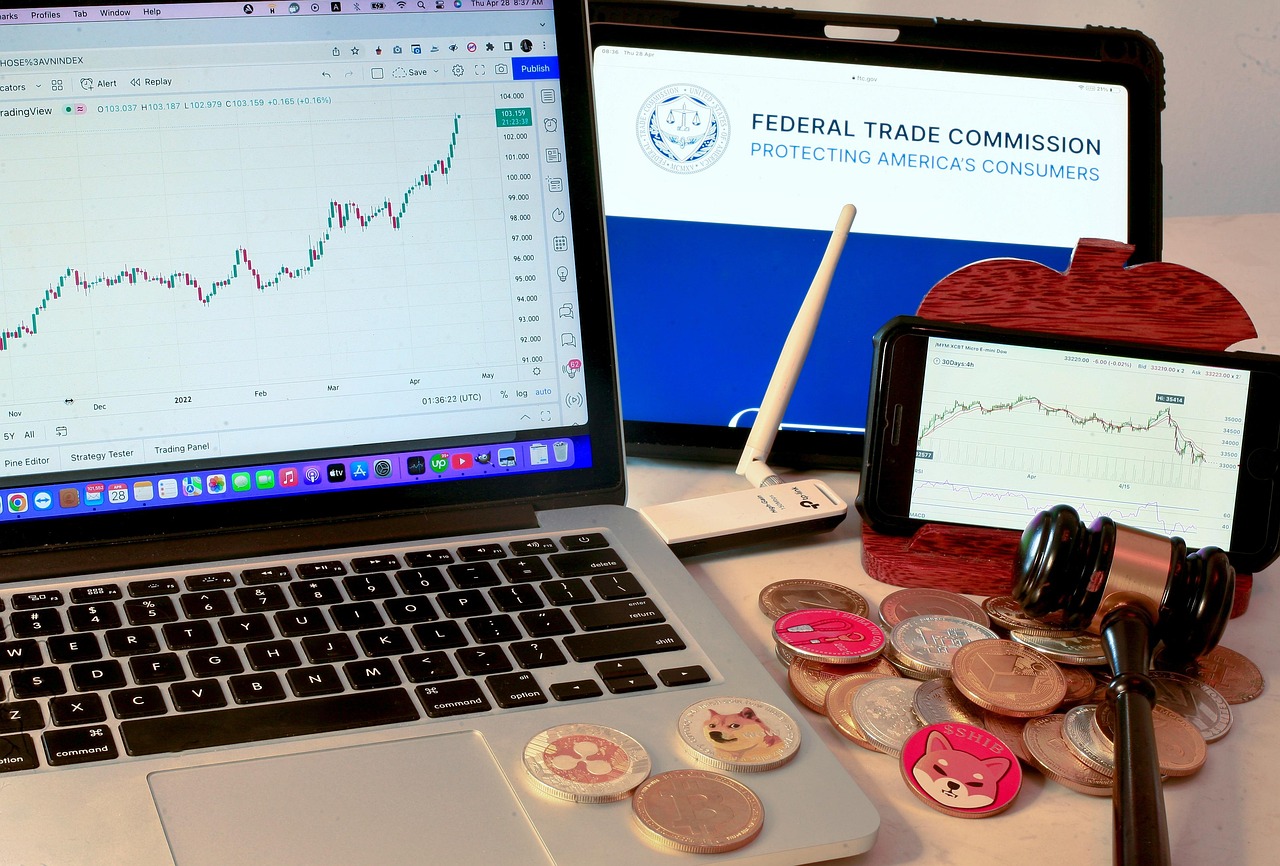
Photo: Pexels / Melvin Silva
Kraken Secures Federal Reserve Master Account: A Paradigm Shift for Crypto Integration
On March 4, 2026, Kraken made history by becoming the first cryptocurrency exchange to secure direct access to the Federal Reserve's payment infrastructure through its banking subsidiary, Kraken Financial. This groundbreaking approval grants the company a Federal Reserve master account, allowing it to settle US dollar payments directly over Fed rails without routing transfers through sponsor banks. The decision represents a fundamental shift in how traditional finance views and interacts with the cryptocurrency industry, potentially paving the way for broader institutional adoption and integration of digital assets into the mainstream financial system.
The Technical Architecture of Kraken's Fed Access
Kraken Financial's approval grants it direct access to Fedwire, the Federal Reserve's real-time gross settlement system that handles over $4 trillion in daily fund transfers cryptopolitan.com. This infrastructure enables Kraken to process fiat deposits and withdrawals tied to digital-asset markets without relying on intermediary banks, fundamentally changing how the exchange can operate within the US financial system.
The account operates under strict boundaries. Kraken cannot lend, access the Fed's discount window, or function as a traditional commercial bank blockonomi.com. The approval is specifically designed for a full-reserve model, where Kraken must maintain liquid assets equal to or exceeding 100% of client deposits . This structure aligns with Kraken's existing operational model and addresses regulatory concerns about systemic risk.
According to Kraken co-CEO Arjun Sethi, the approval represents a convergence of crypto infrastructure and sovereign financial rails. "With a Federal Reserve master account, we can operate not as a peripheral participant in the U.S. banking system, but as a directly connected financial institution," Sethi stated pymnts.com. This direct connectivity is expected to deliver accelerated transaction processing and reduced costs for Kraken's enterprise clientele while significantly decreasing the firm's reliance on external banking partnerships .
Regulatory Context and the "Skinny" Master Account Framework
The Kraken approval serves as a pilot for the Federal Reserve's proposed "skinny" master account framework, championed by Fed Governor Christopher Waller blockonomi.com. This model aims to finalize by year's end and represents a significant departure from traditional banking relationships with the central bank. The framework is designed to separate settlement access from the broader public backstops tied to the banking system.
Journalist Eleanor Terrett reported that the skinny master account model mirrors similar structures abroad. Central banks in the United Kingdom, the European Union, and Switzerland already offer payments-only accounts blockonomi.com. The US framework closely aligns with these existing models, positioning the country closer to global standards for institutional access to central bank payment systems.
The approval arrives at a moment when the Fed is trying to define a narrower form of central bank access. Kansas City Fed President Jeff Schmid noted, "As we know, the payments landscape is actively evolving. Throughout this transformation, the integrity and stability of the US payments system remain our priority" cryptoslate.com. This statement underscores the careful balance regulators are striking between innovation and systemic stability.
Political Support and Legislative Implications
Senator Cynthia Lummis of Wyoming, a prominent crypto advocate, hailed the approval as "a watershed milestone in the history of digital assets" blockonomi.com. Lummis emphasized that the Federal Reserve's recognition of digital assets within the United States represents a significant shift in regulatory posture. She explained that regulators can now apply safety and soundness standards to firms like Kraken, bringing them into the fold of traditional financial oversight.
Lummis predicted closer ties between banks and crypto companies, suggesting that banks may acquire digital asset firms while crypto companies may purchase banks. "In the future, you're going to see a convergence of traditional finance and digital assets," she stated blockonomi.com, highlighting the potential for hybrid financial institutions that combine the strengths of both sectors.
The senator also noted that partial access to the Fed allows integration of the US dollar with digital assets. This integration enables Kraken to begin linking dollar-based services with crypto operations, helping to align digital asset institutions with federal oversight. The approval could advance Bitcoin adoption within regulated financial institutions, as banks gain confidence in the regulatory framework surrounding digital assets.
Market Impact and Industry Implications
The approval has significant implications for the broader cryptocurrency industry. Kraken, as the second-largest crypto exchange in the United States blockonomi.com, serves as a bellwether for institutional acceptance of digital assets. Its success in securing Fed access could encourage other crypto firms to pursue similar regulatory pathways, potentially leading to a wave of applications for limited-purpose accounts.
Industry analysts suggest that this development could drive Bitcoin services in US banks. As traditional financial institutions observe Kraken's successful integration with Fed payment rails, they may become more comfortable offering cryptocurrency-related services to their clients. This could include custody solutions, trading services, and integration of digital assets into existing financial products.
The approval also has implications for stablecoin issuers and other crypto infrastructure providers. The skinny master account framework could benefit companies like Ripple and Circle, which operate in the digital asset space but require reliable fiat settlement capabilities . As the framework becomes more established, it could provide a regulatory pathway for these companies to achieve similar levels of integration with traditional finance.
Operational Benefits and Client Impact
For Kraken's clients, particularly institutional investors and professional traders, the Fed master account approval translates into tangible operational improvements. The direct access to Fedwire enables faster transfers for large clients and traders who move cash between bank accounts and digital-asset markets cryptopolitan.com. This improved reliability and efficiency for moving fiat deposits in and out of digital-asset markets addresses a longstanding pain point in the crypto industry.
The approval eliminates the need for intermediary banking relationships, which have historically been a source of friction and operational risk for crypto exchanges. By connecting directly to the Fed's payment infrastructure, Kraken can reduce dependency on correspondent banks and integrate regulated fiat liquidity directly into digital asset markets pymnts.com. This integration could enable atomic settlement between fiat and crypto, institutional-grade cash management integrated with digital asset custody, and programmable financial products built within a fully regulated framework pymnts.com.
Over time, this architecture could enable new financial products that seamlessly bridge digital assets and traditional finance. The ability to settle transactions in central bank money provides a level of finality and security that has been lacking in many crypto transactions, potentially attracting more conservative institutional investors to the space.
Comparative Analysis: Crypto vs. Traditional Banking Integration
The Kraken approval represents a significant departure from how crypto firms have traditionally operated. Historically, cryptocurrency exchanges have relied on a patchwork of banking relationships, often facing challenges with account closures, transaction delays, and limited access to traditional financial services cryptopolitan.com. The Fed master account provides a level of integration that brings crypto firms closer to the operational capabilities of traditional banks.
However, it's important to note that Kraken's access remains limited compared to full commercial banking privileges. The company cannot access the Fed's discount window, pay interest on reserves, or engage in lending activities blockonomi.com. This restricted access reflects the Federal Reserve's cautious approach to integrating crypto firms into the traditional financial system while maintaining appropriate risk controls.
The approval also highlights the unique position of Wyoming's regulatory framework in facilitating crypto innovation. Kraken Financial operates under a Wyoming Special Purpose Depository Institution (SPDI) charter coingape.com, a regulatory structure specifically designed for crypto companies. This charter allows the institution to offer both digital asset custody and fiat deposit accounts while operating on a full-reserve model. Wyoming's progressive approach to crypto regulation has positioned it as a leader in creating pathways for digital asset companies to achieve traditional banking integration.
Global Context and Competitive Landscape
Kraken's achievement comes amid increasing global competition in the cryptocurrency exchange market. The company, founded in 2011, has established itself as a major player in the US crypto market, competing with exchanges like Coinbase, Binance, and others blockonomi.com. The Fed master account approval provides Kraken with a significant competitive advantage, particularly in attracting institutional clients who require reliable fiat settlement capabilities.
The approval also positions the United States as a leader in crypto-financial integration, at least in terms of regulatory innovation. While other countries have offered payments-only accounts to non-bank institutions, the US Federal Reserve's willingness to pilot this approach with a crypto firm represents a notable development in the global regulatory landscape for digital assets.
Looking ahead, the success of this pilot program could influence how other countries approach crypto regulation and integration. If Kraken's implementation proves successful, it could serve as a model for other central banks considering how to provide limited access to their payment systems for crypto firms and other non-traditional financial institutions.
Technical and Security Considerations
The integration of crypto firms with central bank payment systems raises important technical and security considerations. Direct access to Fedwire means that Kraken must meet stringent operational and security standards to maintain its master account. This includes robust cybersecurity measures, reliable operational processes, and compliance with anti-money laundering and know-your-customer regulations thedefiant.io.
The approval also highlights the maturing infrastructure of the cryptocurrency industry. Five years ago, the idea of a crypto exchange having direct access to the Federal Reserve's payment system would have seemed improbable. The fact that Kraken has achieved this milestone reflects the industry's progress in developing compliant, secure, and reliable financial infrastructure.
For the Federal Reserve, this approval represents a careful experiment in expanding the boundaries of the US payment system. By granting limited access to a crypto firm under strict conditions, the central bank can observe how these institutions operate within the traditional financial framework while maintaining appropriate risk controls. This approach allows for innovation while preserving the integrity and stability of the US payments system.
Future Outlook and Industry Evolution
The Kraken approval opens up numerous possibilities for the future evolution of the cryptocurrency industry. As more firms potentially gain access to similar arrangements, we could see the emergence of a new category of financial institutions that blend characteristics of traditional banks and crypto exchanges. These hybrid entities could offer a full range of services, from traditional banking to cryptocurrency trading and custody.
The approval also has implications for the development of central bank digital currencies (CBDCs) and other innovations in the payments space. As crypto firms become more integrated with traditional financial infrastructure, the lines between different forms of digital money may blur, potentially accelerating the development and adoption of new payment technologies.
Looking further ahead, this development could influence how the cryptocurrency industry approaches regulation and compliance. The success of Kraken's integration with the Federal Reserve system may encourage other crypto firms to pursue similar regulatory pathways, potentially leading to a more mature and compliant industry overall.
Challenges and Potential Risks
While the approval represents a significant milestone, it also comes with challenges and potential risks. The crypto industry has faced numerous setbacks and controversies over the years, and any issues at Kraken could potentially impact the broader perception of crypto-financial integration. The company will need to maintain impeccable operational standards to preserve its privileged access to the Fed's payment system.
There are also broader systemic risks to consider. As crypto firms become more integrated with traditional financial infrastructure, the potential for contagion between the crypto and traditional financial sectors increases. Regulators will need to carefully monitor this integration to ensure that risks are appropriately managed and that the stability of the broader financial system is maintained.
Additionally, the success of this model could face political challenges. Some policymakers and traditional financial institutions may resist the integration of crypto firms into the core financial system, arguing that it could create new risks or undermine the traditional banking model. Navigating these political dynamics will be crucial for the continued expansion of crypto-financial integration.
Conclusion: A New Era for Crypto Integration
Kraken's approval for a Federal Reserve master account represents a watershed moment for the cryptocurrency industry. It demonstrates that crypto firms can achieve meaningful integration with traditional financial infrastructure while operating under appropriate regulatory oversight. This development could accelerate the maturation of the crypto industry, attract more institutional capital, and pave the way for new financial products that seamlessly combine traditional and digital assets.
The approval also reflects a broader shift in how regulators and policymakers view the cryptocurrency industry. Rather than treating crypto firms as outsiders to the traditional financial system, there is growing recognition that these companies can operate as legitimate financial institutions with appropriate oversight and risk controls. This more nuanced approach could lead to further innovations in how digital assets are integrated into the mainstream financial system.
As the industry watches how Kraken implements its new capabilities, the success or failure of this pilot program could have far-reaching implications for the future of cryptocurrency regulation and integration. If successful, it could mark the beginning of a new era where crypto firms operate as fully integrated participants in the global financial system, bringing the benefits of blockchain technology and digital assets to a much broader audience while maintaining the stability and security of traditional finance.
The approval of Kraken's Federal Reserve master account is more than just a regulatory milestone; it's a signal that the cryptocurrency industry has reached a level of maturity and stability that warrants serious consideration by traditional financial institutions and regulators. As this experiment unfolds, it will be fascinating to observe how it shapes the future of both crypto and traditional finance, potentially leading to a more integrated, efficient, and innovative global financial system.
Related

Kraken Gains Historic Fed Access, Boosting Crypto Integration
Mar 5, 2026

Kraken Secures Historic Fed Access, Crypto Integration Advances
Mar 6, 2026

Kraken Gains Fed Access, Crypto Integration Advances
Mar 6, 2026

Wall Street Giants Pursue Federal Charters for Crypto Custody
May 29, 2026

Morgan Stanley Advances Bitcoin ETF, Kraken Gains Fed Access
Mar 6, 2026
Coinbase and Circle Surge as Federal Banking Charters Reshape Crypto
Jul 13, 2026
Source Articles
This article is based on analysis of 10 source articles from our news database.
- 1CryptoSlate·Oluwapelumi Adejumo·cryptoslate.com·
- 2Blockonomi·Maxwell Mutuma·blockonomi.com·
- 3Cryptopolitan·Jai Hamid·cryptopolitan.com·
- 4PYMNTS·PYMNTS·pymnts.com·
- 5PYMNTS·PYMNTS·pymnts.com·
- 6Blockonomi·Brenda Mary·blockonomi.com·
- 7AMBCrypto·Adewale Olarinde·ambcrypto.com·
- 8The Defiant·DefAInt·thedefiant.io·
- 9CrowdFundInsider·Omar Faridi·crowdfundinsider.com·
- 10CoinGape·Boluwatife Adeyemi·coingape.com·