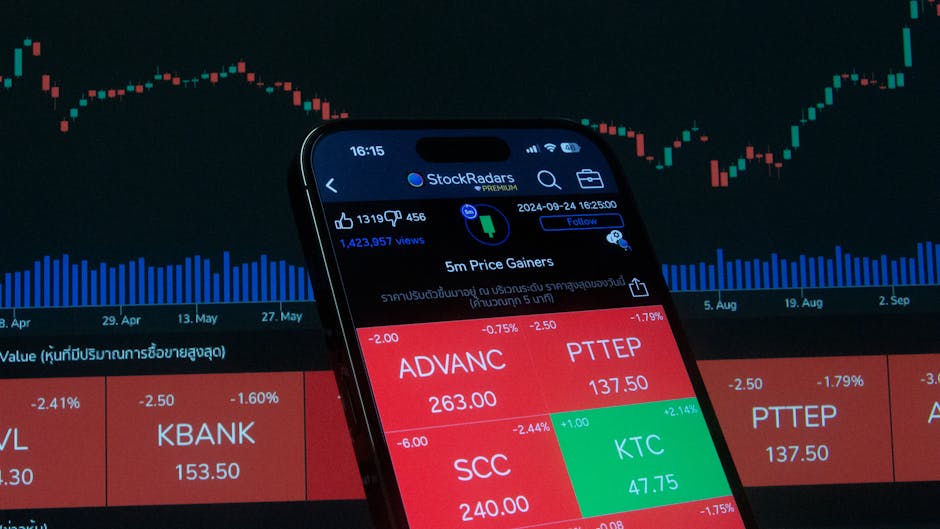
The Hang Seng Index (HK50) demonstrated remarkable resilience during Wednesday’s trading session, overcoming a weak start to finish in positive territory. Despite a global backdrop characterized by hotter-than-expected U.S. inflation data and a hawkish stance from the Federal Reserve, Hong Kong equities found support as investors looked toward regional catalysts and a temporary reprieve in U.S. equity futures [1][8]. The index rose 157 points, or 0.6%, to close at 26,025, marking a successful reversal of morning losses and extending gains from the previous session [8].
Regional Sentiment and Corporate Drivers
The recovery in the Hang Seng was driven by a broad-based advance across most sectors, even as geopolitical tensions in the Middle East continued to weigh on global risk appetite [8]. Sentiment in the Hong Kong and Mainland China markets was bolstered by specific corporate developments and anticipation of upcoming policy reviews. Notably, reports that Nvidia had secured approval to sell advanced AI chips in Mainland China provided a significant lift to risk appetite [8].
In the corporate sector, performance was mixed but leaned toward the upside for major heavyweights:
- Minimax Group led the gainers with a staggering 19.4% increase [8].
- Knowledge Atlas followed closely, surging 18.6% [8].
- Blue-chip staples such as CK Hutchison and Henderson Land Development rose 2.9% and 2.5%, respectively [8].
- AIA Group added 1.6% to the index's total [8].
- Conversely, Geely Auto bucked the trend, falling 3.2% after reporting flat annual profits despite improvements in sales and margins [8].
The aviation sector remained under pressure due to the ongoing conflict in the Middle East. Cathay Pacific announced it would extend its suspension of flights to the region until April 30, reflecting the persistent instability near the Strait of Hormuz [8].
The Shadow of the Federal Reserve and U.S. Inflation
While the Hang Seng managed a daily gain, the broader macro environment turned increasingly restrictive. The Federal Open Market Committee (FOMC) opted to hold interest rates steady at a range of 3.50-3.75% [2]. However, the decision was accompanied by a "hawkish hold" narrative. The Fed raised its inflation outlook, with PCE inflation for 2026 now projected at 2.7%, up from the 2.4% forecast in December [2].
Federal Reserve Chair Jerome Powell emphasized that progress in goods inflation is a prerequisite for any future rate cuts [1]. This stance was reinforced by a troubling U.S. Producer Price Index (PPI) report for February. Wholesale prices jumped 0.7% month-over-month, significantly exceeding the 0.3% forecast [1][4]. On a year-over-year basis, PPI accelerated to 3.4%, while Core PPI (excluding food and energy) hit a 13-month high of 3.9% [1][7].
Divergent Global Market Reactions
The combination of hot inflation data and the Fed's refusal to signal immediate easing triggered a sharp sell-off in Western assets, which stood in contrast to the Hang Seng's late-day rally:
- S&P 500: Declined 1.45% to close near 6,621 [1].
- Gold: Suffered one of its sharpest declines in weeks, falling 3.16% to close near $4,845, breaking the psychological support level of $5,000 [1][3].
- Bitcoin: Dropped 4.03% to approximately $70,951 as risk-off sentiment took hold [1].
- U.S. 10-Year Treasury Yield: Spiked 5.7 basis points to close near 4.264% [1].
Energy Markets and Geopolitical Risk
The dominant macro theme remains the conflict in the Middle East and the effective closure of the Strait of Hormuz [1]. WTI crude oil surged 2.72% to close near $97.57 per barrel, despite a massive and unexpected build in U.S. crude inventories [1]. The Energy Information Administration (EIA) reported a stockpile increase of 6.16 million barrels, far exceeding the forecasted decline of 1.5 million barrels [6]. Under normal circumstances, such a build would depress prices, but the geopolitical risk premium associated with the Middle East supply shock continues to keep energy prices elevated [1][6].
The Fed acknowledged this uncertainty, inserting a new sentence into its policy statement noting that the implications of Middle East developments for the U.S. economy remain "uncertain" [2]. Powell noted that the duration of the war and the speed at which the shock dissipates will be critical factors for future policy [2].
Currency Market Dynamics
The U.S. dollar emerged as the week's strongest performer against major currencies, fueled by the hawkish FOMC outcome and the PPI beat [1]. While the dollar traded sideways during the Asian session, it rallied sharply during the U.S. session [1].
Other regional data provided a mixed picture for the Asia-Pacific region:
- Japan: Reported a better-than-expected trade surplus of 57.3 billion yen, though export growth slowed to 4.2% [1][7].
- Australia: The Westpac Leading Index held flat at -0.1%, suggesting continued economic softening [1].
- Canada: Headline inflation dropped to 1.8%, but analysts warned this was distorted by base effects from previous tax breaks, with core measures still running at 2.3% [9].
Conclusion
The Hang Seng's ability to close higher at 26,025 suggests that regional investors are currently prioritizing local catalysts, such as AI-related trade approvals and Chinese central bank expectations, over the immediate hawkishness of the U.S. Federal Reserve [8]. However, the broader global landscape remains precarious. With U.S. producer prices accelerating and energy costs remaining high due to the Strait of Hormuz disruption, the "path of least resistance" for many risk assets appears to be downward [3]. Investors will now turn their attention to the People's Bank of China (PBoC) lending rate review on Friday and the ECB's upcoming policy meeting to determine if the Hang Seng can maintain its upward momentum in the face of tightening global liquidity [7][8].