Gold's Safe Haven Rally: A Deep Dive into Tariff Fears, Geopolitical Tensions, and Central Bank Responses
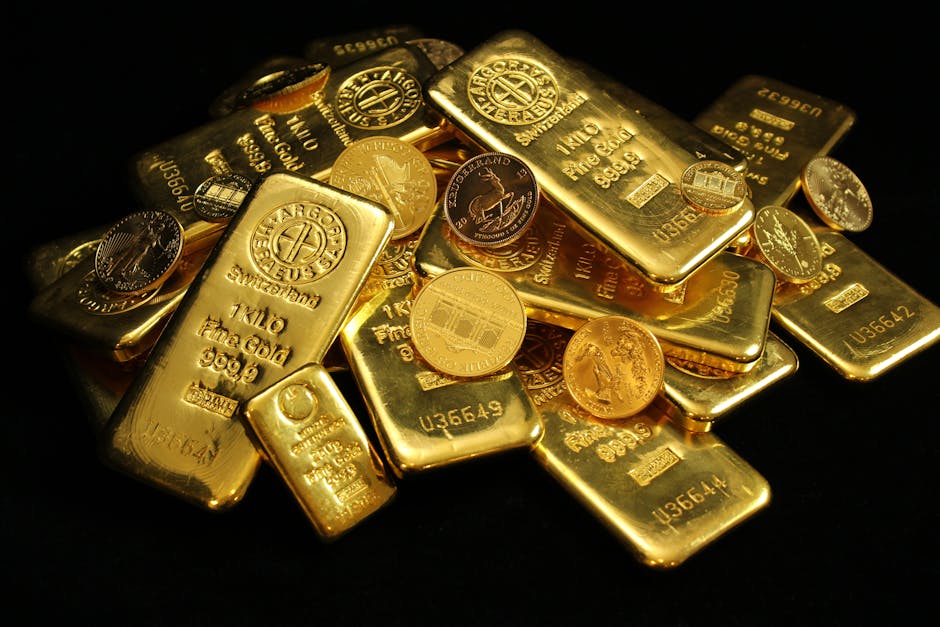
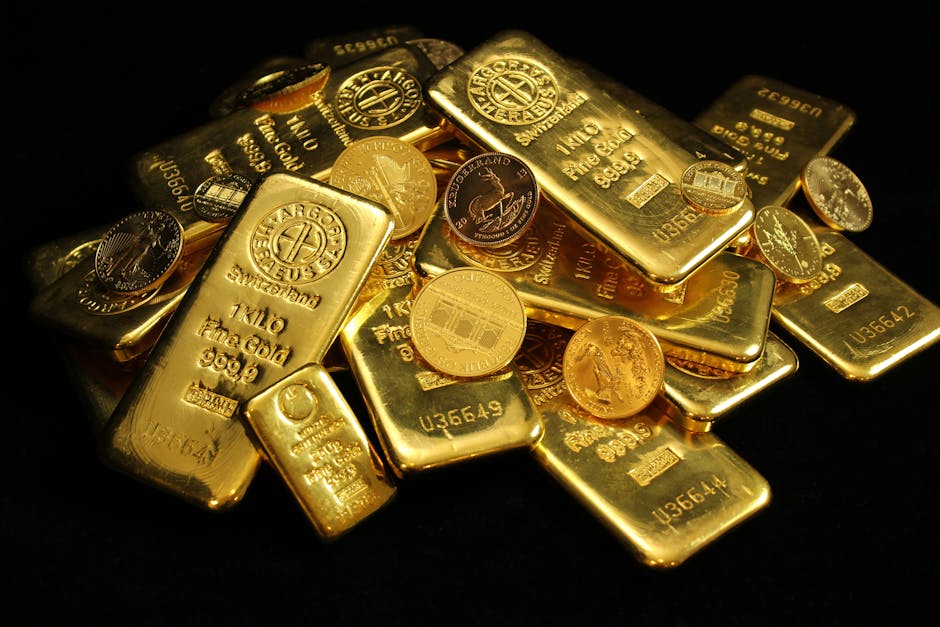
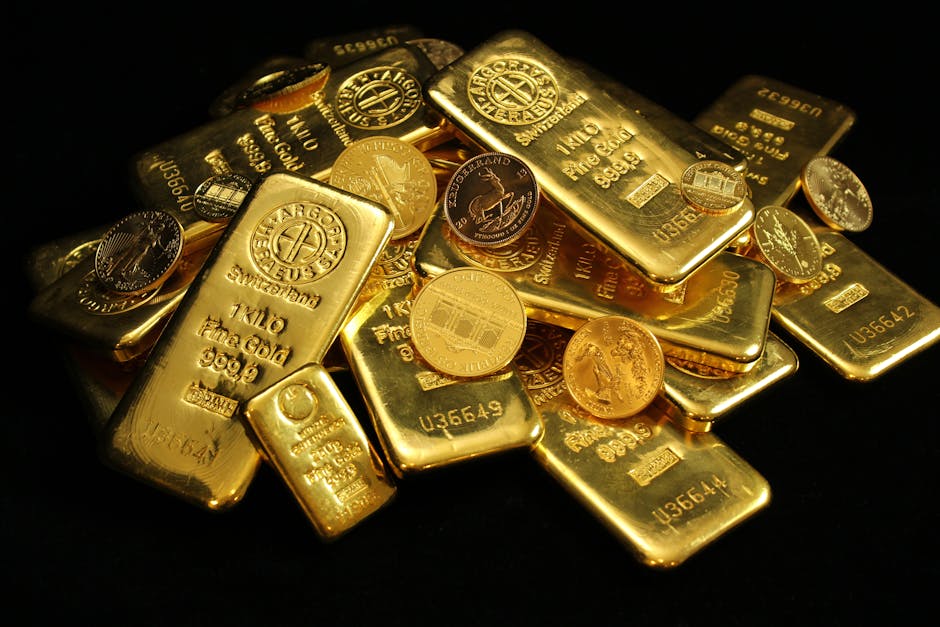
The gold market is experiencing a remarkable surge as investors seek refuge from escalating geopolitical tensions and economic uncertainty. With gold prices reaching new heights and sentiment remaining strongly positive, the precious metal is once again proving its worth as a safe-haven asset in times of crisis.
Recent developments have created a perfect storm for gold investors. The ongoing conflict in the Middle East, particularly the US-Israeli strikes on Iran, has sent shockwaves through global markets. As oil prices spike and stock markets tumble, gold has emerged as a beacon of stability, climbing to impressive levels and attracting significant investor attention.
The Middle East Conflict and Its Impact on Gold
The escalation of military operations in the Middle East has been a primary catalyst for gold's recent rally. According to reports from Gold Industry News gold.einnews.com, oil prices soared as much as 13% during early trading, with Brent crude hitting $82 per barrel—a 14-month high. This surge came as the effective closure of the Strait of Hormuz intensified concerns over oil supplies.
The Strait of Hormuz, one of the most important arteries for global trade, has become a focal point of the conflict. Tehran reportedly warned tankers in the strait that no ship would be allowed to pass through, effectively shutting down this critical shipping route. This development has not only affected oil markets but has also driven investors toward safe-haven assets like gold.
Gold's response to these geopolitical tensions has been swift and significant. The precious metal rose 2.8% to $5,397.10 per ounce gold.einnews.com, demonstrating its role as a hedge against uncertainty. This price movement reflects investors' flight to safety as they grapple with the potential economic fallout from the conflict.
Market Reactions Across the Globe
The impact of the Middle East conflict has been felt across global markets. In Tokyo, the Nikkei 225 fell by nearly 2.4% as traders in Asia responded to the weekend's developments gold.einnews.com. Pre-market trading also put Wall Street on course to open lower on Monday, with Australian equities opening sharply lower before recovering to trade about 0.4% lower.
Gold's performance stands in stark contrast to these market declines. As stock markets tumbled, gold climbed alongside oil as investors moved into perceived safe havens gold.einnews.com. The US dollar jumped, while the Swiss franc edged higher against other major currencies in early dealings. Australian and New Zealand government bonds also rose as each market opened.
This flight to safety is not limited to traditional markets. Even in the cryptocurrency space, gold has shown its resilience. While gold rose 1.6% gold.einnews.com, bitcoin fell amid the Iran shock, further highlighting gold's status as a preferred safe-haven asset during times of crisis.
Central Bank Responses and Long-term Trends
The current gold rally is not just a reaction to immediate geopolitical events but also reflects longer-term trends in central bank behavior and global economic policy. According to a comprehensive analysis , gold reached an intraday high of $5,299 per ounce on February 28, 2026, following US and Israeli airstrikes on Iranian targets.
This price movement is part of a broader trend that has seen gold gain more than 60 percent for the year 2025—its best annual performance since 1979. The analysis notes that 2025 was defined by geopolitical crisis and dollar credibility collapse, factors that continue to influence the gold market in 2026.
Central banks have been particularly active in the gold market. Global gold demand exceeded 5,000 tonnes for the first time in history in 2025, generating an unprecedented $555 billion in value. Central bank purchases remained near multi-decade highs at 863 tonnes .
Notably, central banks, particularly in China, India, Turkey, and Poland, have been systematically moving reserves out of US dollar assets into physical gold since Western governments froze Russian reserves in 2022. This shift has been so significant that gold's share of central bank reserves surpassed US Treasuries for the first time since 1996 .
The implications of this central bank behavior are profound. With 76 percent of central bank officials expecting gold to make up a higher share of reserves over the next five years, the current rally may be part of a longer-term structural shift in the global financial system.
Tariff Fears and Economic Uncertainty
Beyond geopolitical tensions, economic policy uncertainty is also driving demand for gold. Tariff uncertainty under the Trump administration—including a new 10 percent global import tariff and proposed increases to 15 percent—has consistently driven safe-haven demand for gold .
These tariff policies create economic uncertainty that benefits gold as investors seek protection against potential inflation and currency devaluation. The analysis suggests that J.P. Morgan's upside scenario modeling indicates that if household gold allocations were to increase, it could drive prices even higher.
The combination of geopolitical risk and economic policy uncertainty has created a powerful tailwind for gold. As investors grapple with these multiple sources of uncertainty, gold's role as a store of value becomes increasingly important.
Regional Market Impacts
The impact of these global developments is being felt across different regions, with varying effects on local markets. In Egypt, for example, the financial markets opened their first trading session following the escalation of war involving Iran under palpable strain gold.einnews.com.
Although Egypt is not a direct party to the conflict, its strategic position at the crossroads of global trade and energy routes leaves it exposed to indirect spillovers. The Egyptian pound weakened at the start of Sunday's session, with the US dollar climbing to 48.94 pounds for sale in several local banks gold.einnews.com.
In the gold market, retail buyers in Egypt moved quickly to hedge against currency depreciation and purchasing power erosion. The price of Egypt's gold pound coin jumped by more than 5,000 pounds in a single day, underscoring heightened anxiety among households gold.einnews.com.
Similarly, in India, share market analysts predict that gold and silver prices are set to remain highly volatile with a gap-up on the opening session seekingalpha.com. The trajectory for both assets in early March will depend heavily on whether diplomatic channels reopen and calm markets, or whether further escalation adds fresh fuel to an already volatile landscape.
Supply Chain Disruptions and Physical Market Impacts
The conflict is not only affecting paper gold prices but also causing disruptions in the physical gold market. According to reports, physical gold shipments through Dubai are expected to slow sharply after airlines suspended flights in the wake of US and Israeli strikes on Iran and Tehran's retaliation .
Dubai is a key transit hub for gold, and any disruption to its operations could have ripple effects throughout the global gold supply chain. This physical market disruption adds another layer of complexity to the current gold market dynamics.
Additionally, the conflict has raised concerns about potential disruptions to the Suez Canal, another critical artery for global trade. Any prolonged disruption to this waterway could further complicate the movement of physical gold and other commodities, potentially supporting higher prices.
Oil Market Dynamics and Their Influence on Gold
The oil market's reaction to the Middle East conflict has been dramatic and has significant implications for gold. Brent crude surged 13% to around $82 a barrel in early trading gold.einnews.com, while US crude oil could rise to more than $74 (£55) a barrel when trading resumes .
These oil price spikes create a complex dynamic for gold. On one hand, higher oil prices can contribute to inflation fears, which typically support gold as an inflation hedge. On the other hand, if oil prices rise too high, they could potentially slow economic growth, which might reduce demand for gold in industrial and jewelry applications.
Moreover, the conflict has raised the specter of potential supply disruptions. About $500bn (£372bn) of energy trade and 20% of global oil supplies pass through the Strait of Hormuz each year . Any prolonged disruption to this flow could have far-reaching economic consequences, further supporting safe-haven demand for gold.
Technical Analysis and Price Targets
From a technical perspective, gold's recent price action has been impressive. The precious metal reached an intraday high of $5,299 per ounce on February 28, 2026 , and has continued to trade at elevated levels.
Financial institutions have responded to these price movements by revising their forecasts upward. J.P. Morgan raised its end-of-2026 gold price target to $6,300 per ounce , while Bank of America projects $6,000 within twelve months. Goldman Sachs has also revised its forecasts upward, reflecting growing institutional confidence in gold's continued strength.
These price targets suggest that many market participants believe the current rally has further to run. The combination of strong technical momentum, supportive fundamental factors, and positive institutional sentiment creates a bullish backdrop for gold.
Investor Sentiment and Market Psychology
Investor sentiment toward gold remains strongly positive, with an average sentiment score of 0.436 and a median of 0.600 [MARKET DATA]. This positive sentiment is reflected in the VADER sentiment score of 0.186, indicating a generally bullish outlook among market participants.
The psychology of gold investing during times of crisis is particularly interesting. As traditional assets like stocks and bonds come under pressure, investors often turn to gold as a perceived safe haven. This flight to safety can create a self-reinforcing cycle, where rising gold prices attract more investors, further driving up prices.
However, it's worth noting that gold's role as a safe haven can sometimes lead to increased volatility. As investors react to news and events, gold prices can experience sharp movements in both directions. This volatility can create both opportunities and risks for investors.
Comparative Performance: Gold vs. Other Assets
Gold's performance during this period of market stress has been notable when compared to other assets. While stock markets have tumbled and oil prices have spiked, gold has maintained its value and even appreciated.
In the cryptocurrency market, gold has shown its resilience. While gold rose 1.6% gold.einnews.com, bitcoin fell amid the Iran shock, further highlighting gold's status as a preferred safe-haven asset during times of crisis. This comparative performance reinforces gold's unique position in the investment universe as a non-correlated asset that can provide portfolio protection during market stress.
Even within the precious metals complex, gold has outperformed. While silver has also seen gains, gold's larger market and deeper liquidity have made it the preferred choice for many institutional investors seeking safe-haven exposure.
Future Outlook and Potential Scenarios
Looking ahead, the future trajectory of gold prices will depend on several key factors. The resolution (or lack thereof) of the Middle East conflict will be crucial. If tensions escalate further, it could drive gold prices even higher. Conversely, if a diplomatic solution is reached, some of the safe-haven premium in gold prices might dissipate.
Economic policy decisions, particularly regarding tariffs and trade relations, will also play a significant role. Continued uncertainty in this area could support ongoing safe-haven demand for gold. Additionally, central bank policies, especially regarding interest rates and quantitative easing, could influence gold's attractiveness relative to other assets.
Technical factors will also be important. If gold can maintain its momentum and break through key resistance levels, it could trigger additional buying from momentum-focused investors. However, any significant technical breakdowns could lead to profit-taking and price corrections.
Given the multiple supportive factors currently in play, many analysts remain bullish on gold's prospects. However, as with any investment, there are risks to consider, and investors should carefully evaluate their own circumstances and risk tolerance.
Conclusion
Gold's current rally is a testament to its enduring role as a safe-haven asset in times of crisis. Driven by a combination of geopolitical tensions, economic uncertainty, and supportive central bank policies, gold has demonstrated its value as a portfolio diversifier and store of value.
The ongoing conflict in the Middle East, particularly the US-Israeli strikes on Iran, has been a primary catalyst for gold's recent strength. However, the rally is also supported by longer-term trends, including central bank gold purchases and concerns about economic policy uncertainty.
As investors navigate an increasingly complex and uncertain global environment, gold's unique properties make it an attractive option for those seeking to protect their wealth. While the future trajectory of gold prices remains uncertain, the current market dynamics suggest that gold's safe-haven status is likely to remain relevant for the foreseeable future.
For investors, the key takeaway is that gold can play a valuable role in a diversified portfolio, particularly during times of market stress. However, like any investment, it's important to understand the risks and to make decisions based on individual financial goals and circumstances.
As we move forward, all eyes will be on how the current geopolitical situation develops and how it continues to influence global financial markets. In this context, gold will likely remain a key asset to watch, serving as both a barometer of market anxiety and a potential safe haven for investors seeking stability in uncertain times.