[crypto] UK Adds HTX to Russia Sanctions List Over A7, Garantex Ties₿ Crypto

UK Sanctions HTX Over Alleged Russian Shadow Finance Ties

British authorities target the crypto exchange in a landmark enforcement action to block Kremlin-linked capital flows.

May 27, 2026, 03:03 PM926 words10 sourcesAI-Generated · Reviewed by editorial team
UK Sanctions HTX Over Alleged Russian Shadow Finance Ties

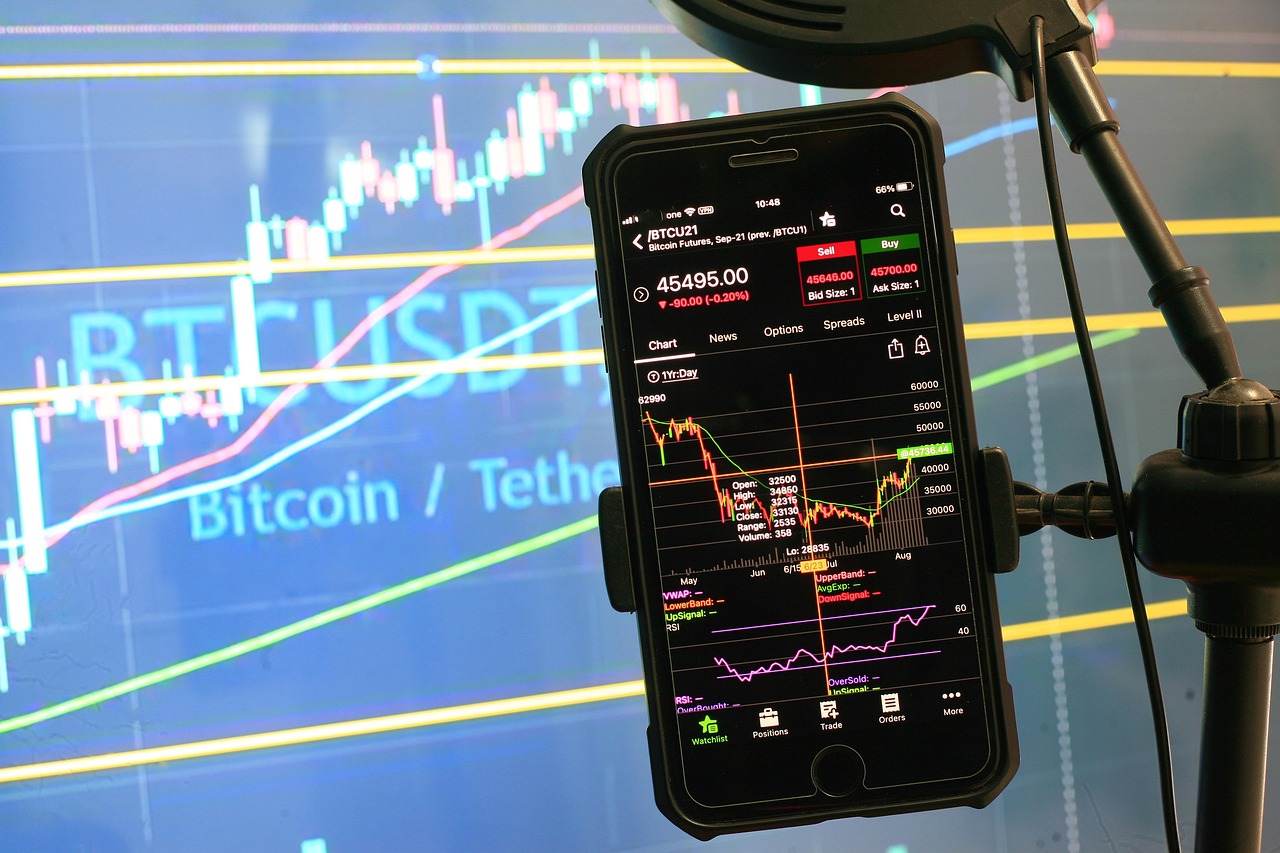
Photo: Pixabay / sergeitokmakov

The United Kingdom has significantly escalated its financial pressure on the Kremlin by adding the major cryptocurrency exchange HTX, formerly known as Huobi Global, to its Russia sanctions list [6] [7]. This move represents a historic shift in British regulatory strategy, as it marks the first time the UK government has applied its traditional banking sanctions framework specifically against cryptocurrency trading platforms [5] [8]. Authorities allege that the exchange has been instrumental in facilitating the flow of funds for sanctioned Russian entities, effectively acting as a bridge for the Kremlin to bypass international financial restrictions [4] [9]. ### The Scope of British Enforcement Measures On May 26, 2026, the UK’s Foreign, Commonwealth & Development Office (FCDO) designated Huobi Global S.A., which operates under the HTX brand, under the Russia Sanctions EU Exit Regulations 2019 [6] [9]. The British government stated it has "reasonable grounds to suspect" that the Panama-registered entity provided financial services or economic resources to A7 Limited Liability Company and Garantex Europe OU [6]. These entities are central to what UK officials describe as "shadow financial systems" used by Russia to acquire goods and finance military operations in Ukraine [5] [10]. The penalties imposed are comprehensive, including a total asset freeze and the disqualification of directors [2] [6]. Furthermore, the UK has implemented internet services sanctions, which mandate that UK-based internet service providers, social media platforms, and app stores take reasonable steps to block user access to HTX-related applications and websites [6] [9]. This multi-layered approach aims to isolate the exchange from the British financial ecosystem entirely [7]. ### Allegations of Sanction Evasion and Risky Capital Flows Central to the UK's case is the exchange's alleged relationship with the A7 network. British authorities claim this infrastructure has processed revenue from Russian petroleum transactions and supported the procurement of military equipment, facilitating transfers exceeding $90 billion over the past year [5]. HTX is specifically accused of providing financial services to A7, which operates a ruble-pegged stablecoin known as A7A5 [7] [9]. Analysts observe that such stablecoins are frequently utilized to move capital across borders while avoiding the traditional banking oversight that would typically flag such transactions [7]. Blockchain intelligence reports suggest that the volume of risky funds moving through the exchange is substantial. Data indicates that HTX has moved over $21 billion in risky funds, with at least $7.64 billion of these asset flows linked directly to Russian capital [1]. Despite these figures, HTX has publicly disputed the scope of the sanctions, arguing that the sanctioned Panama-based entity, Huobi Global S.A., is legally distinct from its operational online exchange [2] [3]. The platform maintained in a statement that its global operations remain unaffected and that all user funds are secure [2]. ### Impact on Global Crypto Infrastructure and Compliance The UK's decision to deploy Regulation 17A—a provision previously reserved for sanctioned banks—against a crypto exchange has sent ripples through the digital asset industry [5] [9]. This regulation prohibits UK financial institutions and virtual asset service providers (VASPs) from maintaining correspondent banking relationships with the designated entity [5] [6]. Consequently, any on-chain transaction that has passed through HTX at any point in its history may now be subject to enhanced scrutiny or categorized as a prohibited transaction [7]. Other major exchanges have already begun adjusting their risk protocols in response to the UK's move. Bybit, for instance, issued a warning to its users that deposits or withdrawals connected to HTX-linked addresses may trigger additional anti-money laundering (AML) and risk-control reviews [2]. This suggests that the sanctions are creating a "contagion" effect in compliance requirements, where counterparties must now treat HTX-related liquidity with extreme caution to avoid secondary sanction risks [2] [5]. ### Regulatory Pressure and the Role of Justin Sun This sanctions designation adds to a growing list of legal challenges for HTX in the United Kingdom. In 2025, the Financial Conduct Authority (FCA) initiated legal proceedings against the platform for allegedly conducting unauthorized cryptocurrency promotions on social media platforms such as TikTok, X, and YouTube [5] [6]. The FCA argued that these marketing efforts breached local rules designed to protect consumers from high-risk financial products [6]. Justin Sun, a prominent figure in the crypto industry and a global advisory board member for HTX, has addressed the situation by expressing support for legal compliance [2] [9]. Sun stated that the exchange would work with UK authorities to resolve the concerns [2]. However, his involvement continues to draw market attention, particularly given his history of legal battles in other jurisdictions, including a recently settled fraud lawsuit in the United States [7]. ### Broader Implications for the Crypto Market The UK's aggressive stance is part of a coordinated effort with international allies to dismantle the financial networks supporting Russia's war economy [10]. The sanctions package also targeted 17 other organizations and individuals, including the Kyrgyzstan-based "Virtual Asset Issuer" and various entities registered in the UAE and Georgia [5] [10]. This suggests that regulators are increasingly focusing on the geographical nodes where crypto and traditional finance intersect to bypass sanctions [10]. As the UK pioneers this framework for extending conventional financial sanctions to the crypto market, international regulators are expected to monitor the outcomes closely [5]. The move signals a transition from treating crypto exchanges as peripheral financial actors to viewing them as critical infrastructure that must adhere to the same rigorous standards as global banking institutions [5] [8]. For the broader market, this likely heralds a period of intensified compliance requirements and a shrinking operational space for platforms that fail to distance themselves from sanctioned jurisdictions [5] [10].

Related

Source Articles

This article is based on analysis of 10 source articles from our news database.

  1. 1
    Cryptopolitan··cryptopolitan.com·
  2. 2
    AMBCrypto··ambcrypto.com·
  3. 3
    Blockonomi··blockonomi.com·
  4. 4
    Bitcoinist··bitcoinist.com·
  5. 5
    Blockonomi··blockonomi.com·
  6. 6
    Blockonomi··blockonomi.com·
  7. 8
    Cryptopolitan··cryptopolitan.com·
  8. 9
    Crypto··crypto.news·
  9. 10