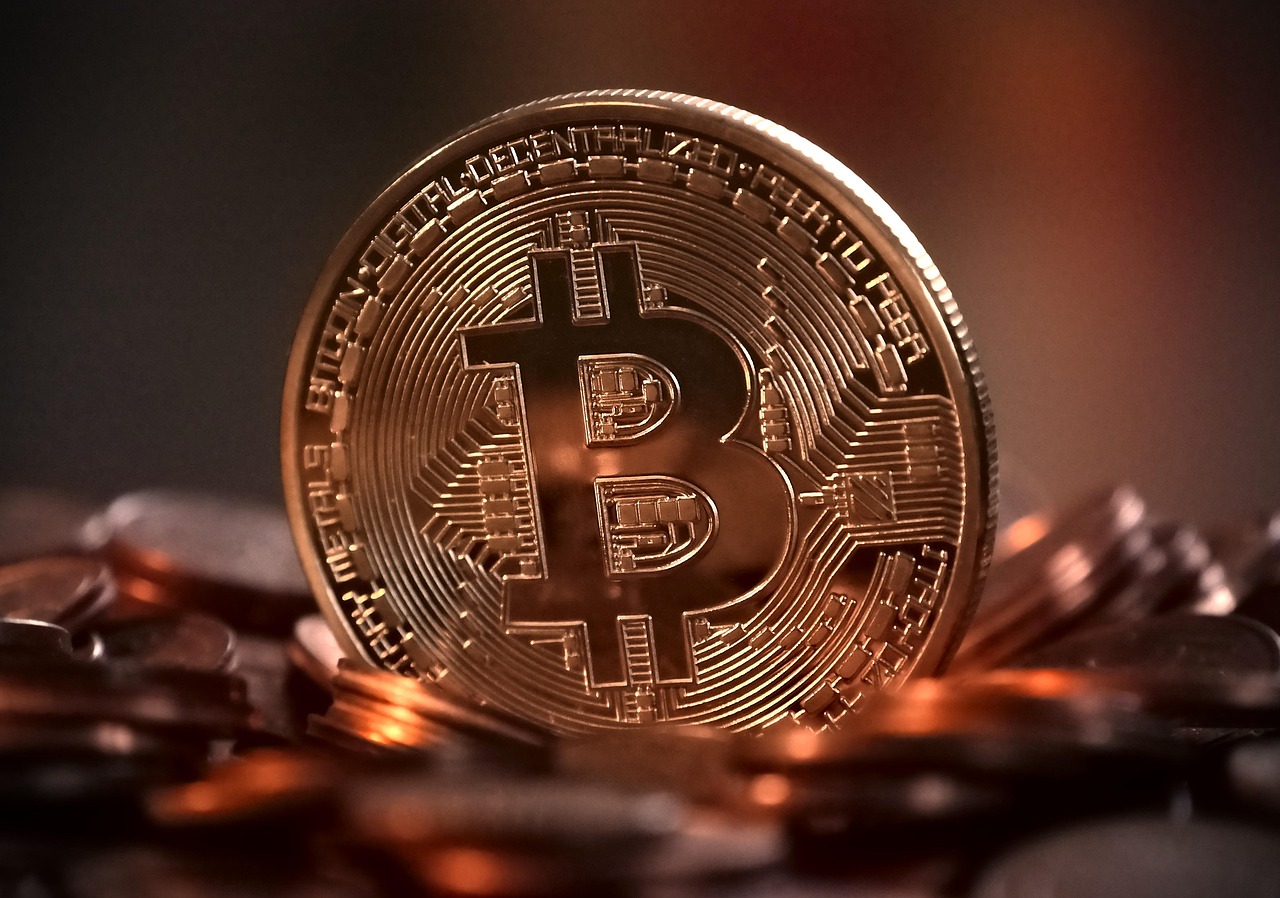
Michael Saylor, the Executive Chairman of Strategy, recently sparked considerable market speculation with a cryptic social media post, stating that "Orange dots tell only part of the story" [9] [33] [51]. This message arrived days after Strategy executed its most substantial Bitcoin divestment to date, selling 3,588 BTC for approximately $216 million [33] [51]. The move signals a notable shift in the company’s capital management framework, moving beyond its long-standing Bitcoin accumulation strategy to actively utilize its digital asset holdings for financial obligations and cash reserve fortification [9] [33]. This strategic evolution unfolds amidst a complex macroeconomic backdrop characterized by escalating geopolitical tensions, fluctuating institutional investment flows, and a rapidly evolving global regulatory landscape, all of which are collectively shaping the trajectory of the broader cryptocurrency market.
Strategy’s Evolving Bitcoin Capital Management
Strategy’s recent Bitcoin sales represent a significant departure from its historical "buy-and-never-sell" mantra, formalizing a new capital management framework that allows for the strategic divestment of its digital assets [9] [33]. The company sold 3,588 BTC for approximately $216 million, with the transaction occurring in two distinct tranches: an initial sale of 1,363 BTC generating $80.8 million at the end of June, followed by an additional 2,225 BTC sold for $135.2 million during the July 1-5 period [33]. These proceeds were primarily allocated to satisfy preferred stock dividend obligations and to strengthen the company’s cash position, which subsequently increased to $3 billion [9] or $2.55 billion as of July 5 [33] [51]. This substantial cash cushion now provides more than 20 months’ worth of coverage for its annual dividend and interest obligations of $1.76 billion, according to Benchmark-StoneX Managing Director Mark Palmer [9].
The company’s current Bitcoin treasury stands at 843,775 BTC [9] [33], accumulated at an average purchase price of $75,476 per token [9] [33]. With Bitcoin trading around $62,600 [9] or $63,775 [51], Strategy is currently carrying unrealized losses approaching $9.7 billion, representing approximately 15% of its aggregate investment [33], or $9.9 billion [51]. Michael Saylor’s recent cryptic post, "Orange dots tell only part of the story," has been interpreted as a hint at the company’s broader financial strategy, which now encompasses more than just Bitcoin acquisitions [9] [33] [51]. Historically, Saylor’s "orange dot" posts often preceded SEC filings disclosing Bitcoin purchases, but this pattern has become less reliable, with a June 28 message preceding a revised capital allocation framework rather than a purchase [33].
The market reaction to Strategy’s evolving strategy has been notable. Shares of Strategy (MSTR) were down 4% following the opening bell [9] and have experienced a significant decline of over 70% from their 52-week peak of $457.22 [33]. Standard Chartered’s global digital assets research chief, Geoff Kendrick, cautioned that Strategy’s recent transactions and Saylor’s communication style "are muddying the waters for BTC near-term" [33]. Kendrick emphasized the importance of transparent communication regarding Strategy’s revised approach, particularly its use of Bitcoin as collateral for its STRC preferred shares, to alleviate market concerns about potential large-scale liquidations [33]. Strategy’s STRC preferred stock, designed to maintain a $100 par value, reached its lowest trading level since inception last month, despite the firm increasing its annual dividend rate to 12% [33]. The company is scheduled to release its Q2 financial results on July 30 [33].
Beyond its corporate treasury strategy, Michael Saylor has also weighed in on broader Bitcoin ecosystem debates. He echoed Blockstream CEO Adam Back’s sentiments regarding Bitcoin Improvement Proposal (BIP-110), a contentious soft fork aimed at limiting arbitrary data stored in Bitcoin transactions, such as Ordinals inscriptions [67]. Back argued that BIP-110 clashes with Bitcoin’s permissionless ethos and that market-driven mechanisms already address network spam [67]. Saylor’s alignment with this view underscores a commitment to Bitcoin’s fundamental principles, even as his company navigates a more flexible capital allocation strategy for its own holdings [67].
Bitcoin’s Macro Headwinds and Institutional Flows
The Bitcoin market has been navigating a complex interplay of macroeconomic factors and shifting institutional sentiment. Bitcoin’s price has recently hovered around the $62,600 [9] to $64,100 [17] range, experiencing fluctuations influenced by global events. A significant driver of recent market weakness has been escalating geopolitical tensions between the United States and Iran, particularly concerning oil tanker navigation rights in the Strait of Hormuz [1] [13] [34] [37] [51]. President Donald Trump’s declaration of the ceasefire’s end and a proposed blockade on Iranian ports led to a surge in crude oil prices, with West Texas Intermediate crude advancing roughly 4% to exceed $74 per barrel [3] [34] [56]. Such elevated energy costs amplify inflation concerns, potentially influencing central bank monetary policy and diminishing investor interest in risk-oriented assets like cryptocurrencies [34] [37]. This broader risk aversion has impacted not only Bitcoin but also traditional equity markets, with the S&P 500 and Dow Jones Index experiencing declines [3] [34].
Despite these macro headwinds, the U.S. spot Bitcoin exchange-traded funds (ETFs) recently concluded an eight-week outflow streak, recording $197 million in net inflows during the week ending July 10 [15] [27] [29] [37] [46]. This reversal, the first positive weekly signal since early May, was primarily led by BlackRock’s iShares Bitcoin Trust (IBIT), which attracted $291.9 million in weekly inflows [37] [46]. However, these gains were partially offset by withdrawals from other products, including Grayscale’s GBTC ($108.2 million), Fidelity’s FBTC ($93.4 million), and ARK 21Shares’ ARKB ($15.3 million) [27] [46]. The $197.4 million weekly accumulation appears modest when compared against the $8.26 billion withdrawn from Bitcoin ETFs since May 11 [37] [46], suggesting that while the outflow trend has halted, a broad institutional comeback is not yet definitively established [46]. Trading activity in Bitcoin ETFs also remained weak, with weekly volume reaching about $84.1 billion, the lowest normal five-day total since October 2025 [46].
On-chain data reveals mixed signals from large Bitcoin holders. A long-dormant address, inactive for over seven years and nine months, transferred 2,931 BTC, valued at approximately $188 million, to a new wallet on July 12 [12] [40]. While such movements often precede liquidation decisions, no subsequent activity from the destination address had been recorded at the time of reporting [40]. Conversely, long-term holders (LTH) flipped back to net accumulation in early July, with Glassnode data indicating a 30-day change of 74,053.9 BTC as of July 12 [12]. This suggests a tug-of-war between potential selling pressure from awakened whales and broader accumulation by long-term investors [12]. However, mid-sized holders (wallets holding 100-1,000 BTC) shifted from accumulation to distribution, selling roughly 67,000 BTC on July 13, marking their largest distribution since February [24]. In contrast, Bitcoin miners have maintained their positions, holding approximately 1.19 million BTC and accumulating despite recent losses in mining stocks [47].
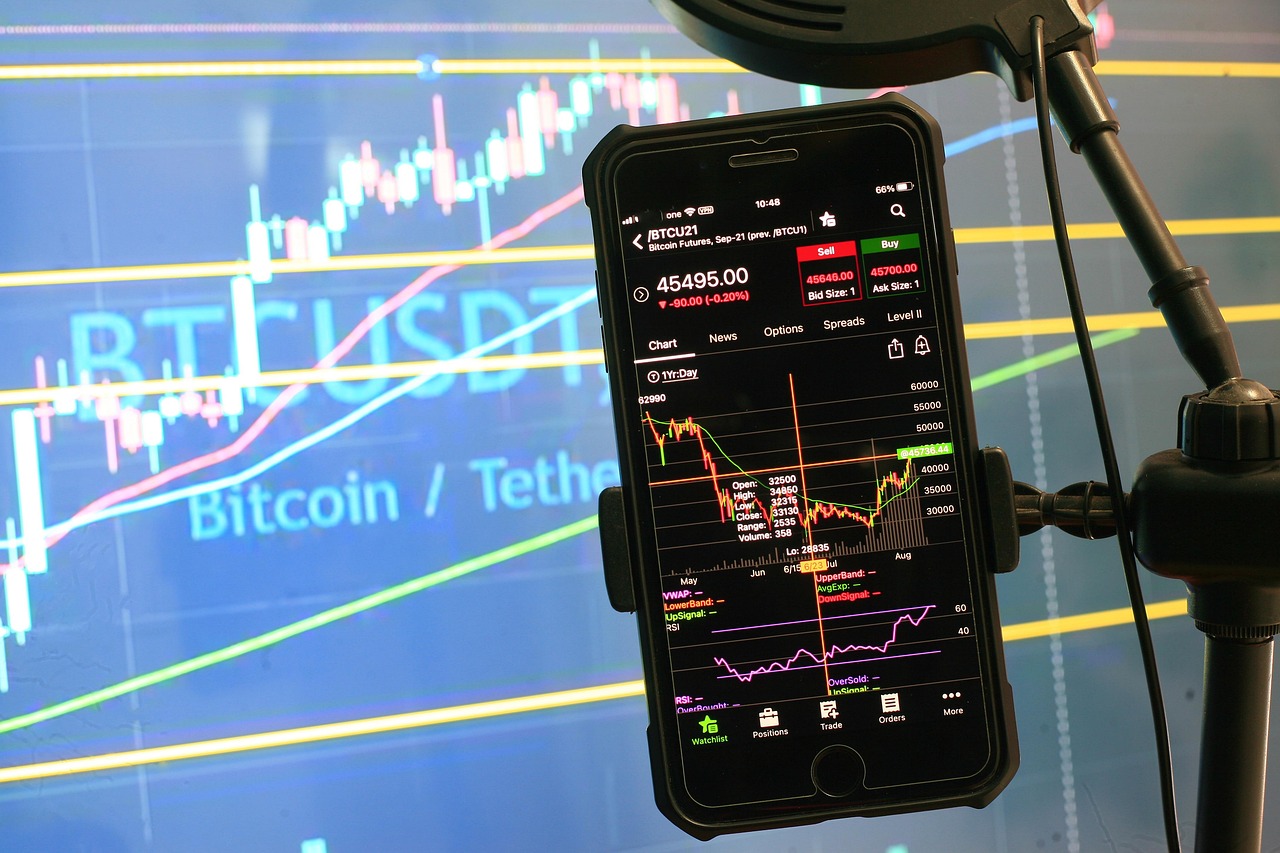
Looking ahead, the market awaits crucial macroeconomic data and policy signals. The June U.S. Consumer Price Index (CPI) report, scheduled for July 14, is a key data point, along with Federal Reserve Chair Kevin Warsh’s congressional testimony on July 14-15 [15] [34] [46] [51]. These events could significantly influence market sentiment and the trajectory of risk assets. Technically, Bitcoin has struggled to break and hold above the $64,000 horizontal resistance level [13] [28] [47], with the falling 50-day simple moving average near $64,950 also acting as resistance [51]. Support levels around $60,000 to $62,000 are being closely watched [13] [17] [24] [56]. The debate around BIP-110, a proposal to limit arbitrary data on the Bitcoin blockchain, continues to draw attention from industry figures like Adam Back and Michael Saylor, reflecting ongoing discussions about Bitcoin’s core functionality and community consensus [29] [67].
Ethereum’s Ecosystem Expansion and Layer-2 Innovation
Ethereum has demonstrated notable resilience and ecosystem expansion, with its price maintaining position near the $1,800 threshold [39] [62] despite broader market volatility. ETH was trading around $1,780 [7] [19] or $1,807 [39] [62] on July 13. A significant development for Ethereum has been its successful penetration of a critical resistance threshold versus Bitcoin, with the ETH/BTC valuation reaching 0.02858 [31]. This breakout has captured market observers’ attention, prompting evaluation of whether it signifies a sustainable trend reversal [31]. Tom Lee, Chairman of Bitmine, characterized this breakthrough as evidence of an inflection point for the cryptocurrency sector, citing expanding stablecoin adoption, accelerating tokenization initiatives, and emerging Ethereum-centric platforms as fundamental support structures [31]. Lee’s firm, BitMine Immersion Technologies, has been systematically accumulating Ether, now holding 5.77 million ETH, representing nearly 4.8% of the token’s circulating supply, valued around $10.1 billion [7] [29]. Lee consistently monitors the ETH/BTC valuation ratio as a barometer for overall market health, anticipating accelerated recognition of "ETH as money" in late 2026 [31].
Institutional capital flows have also shown a favorable shift towards Ethereum. U.S. spot Ethereum exchange-traded funds (ETFs) recorded $84 million in net inflows last week, ending their own eight-week outflow streak [15] [27] [37] [46]. This pattern, predominantly driven by BlackRock’s ETHA and Fidelity offerings [27] [37], indicates that institutional allocators are expanding their Ethereum positions [31]. Furthermore, significant whale accumulation has been observed, with two substantial wallets, potentially controlled by a single entity, accumulating 6,358 ETH worth approximately $11.59 million [39] [62]. Another large holder extracted 4,948 ETH valued at $9.01 million from a centralized exchange, bringing the total accumulation by these major players to 11,306 ETH worth $20.59 million during a concentrated buying period [39] [62].
On-chain data further supports a bullish outlook for Ethereum. CryptoQuant’s Exchange Netflow indicator has remained in negative territory for eight consecutive days, marking the longest sustained withdrawal pattern recorded this year [39] [62]. This suggests investors are moving assets to self-custody rather than preparing to sell, thereby constraining the immediately available supply for market transactions [39] [62]. The Exchange Supply Ratio has declined to a three-week low of 0.13, a configuration that historically has often preceded upward price movements for Ethereum [39] [62]. The Relative Strength Index (RSI) has also remained above the 50 threshold for eight consecutive days, aligning with withdrawal trends to indicate sustained buying pressure [39] [62].
A significant catalyst for Ethereum’s recent momentum is the freshly launched Robinhood Chain, a Layer-2 scaling solution built on Arbitrum Orbit technology [7] [16]. This network designates ETH as its primary token for transaction fees and anchors transaction finality to Ethereum’s foundational layer [7] [31] [39]. Robinhood Chain has demonstrated explosive adoption, processing 7.6 million daily transactions on July 10, just 11 days after its July 1 mainnet launch, rapidly closing the gap on Coinbase’s Base [16]. It has already processed transaction volumes exceeding numerous established decentralized trading platforms, with DEX volumes surpassing $3 billion in the last week [7] [39]. Robinhood is currently subsidizing gas fees for users until the end of September 2026, which has significantly contributed to its transaction volume [16]. The platform also launched alongside Robinhood’s tokenized equities platform, offering 95 tokenized assets in over 120 countries, leveraging its 23 million pre-existing brokerage users [16] [39].
The Ethereum ecosystem is also undergoing foundational upgrades. The Pectra upgrade introduced EIP-7251, lifting the maximum effective balance per validator from 32 ETH to 2,048 ETH, and the 0x02 validator accounting model, which enables native, protocol-level compounding of rewards [43]. While these changes aim to reduce validator sprawl and improve efficiency, validator consolidation is moving slower than expected [43]. This is attributed to the modest economic boost for large operators (under 1% relative APR gain) compared to the non-trivial operational and risk costs of merging keys, such as concentrated slashing risk and complex accounting adjustments [43]. Major operators like Coinbase Prime are targeting around 1,800 ETH per validator, leaving headroom for auto-compounding and risk buffers rather than maximizing the new limit [43]. Leon Waidmann, Research Director at Lisk, highlighted that Ethereum’s Total Value Locked (TVL) of $260 billion currently surpasses its market capitalization of $210 billion, characterizing this disparity as evidence that "ETH is underpriced" [39].
Stablecoin Dynamics and Real-World Asset Integration
The stablecoin market has experienced a notable contraction, with its aggregate market capitalization falling by approximately $10 billion from its all-time high in May 2026 [10] [29] [35] [60]. June 2026 marked the most significant monthly contraction for stablecoins in absolute dollars since the TerraUSD collapse in 2022, shedding $7.7 billion, or about 2.4% of total supply [10] [35] [60]. The two dominant stablecoins, Tether’s USDT and Circle’s USDC, accounted for the majority of this decline, with USDT’s circulating supply decreasing from approximately $190 billion to $184 billion, and USDC declining from a March 2026 high of nearly $80 billion to approximately $73 billion [35] [60]. USDT currently maintains nearly 59% of the total stablecoin supply, while USDC holds about 23.5% [10] [35].
Despite this supply contraction, on-chain transaction activity remained robust. Centralized exchange stablecoin trading volume actually rose 10.8% in June to approximately $981 billion, marking the first monthly increase in five months [10] [35] [60]. Industry analysts interpret this divergence as a sign of redemptions, incentive cooldowns, and rotation into other assets, particularly tokenized real-world assets (RWAs), rather than a widespread panic or flight from crypto [10] [35] [60]. Paul Howard, senior director at trading firm Wincent, characterized the decline as "a relatively small pullback in what we believe is a long-term growth market," noting that the current 3% contraction pales in comparison to the 26% supply collapse during the 2022 bear market [35].
The tokenized real-world assets sector has demonstrated inverse performance, with its aggregate on-chain valuation surpassing $30 billion in 2026 [35] [60]. Tokenized equity transaction volume surged 145% in June to reach a record $3.86 billion [35] [60]. Solana, in particular, dominates on-chain tokenized equity trading with approximately 97% market share, hosting $318.7 million worth of tokenized stocks [41]. This trend suggests a growing institutional interest in blockchain-based financial infrastructure, even as short-term stablecoin liquidity has weakened [60]. Furthermore, USDT usage reached 35.1% by July 2026, outperforming previous years, driven by its increasing utility in cross-border payments and enterprise treasury operations, with major payment firms like Visa, Mastercard, PayPal, and Stripe integrating stablecoins into their infrastructure [45].
Regulatory scrutiny on stablecoins is also intensifying globally. Thailand’s central bank and SEC are tightening oversight of high-value USDT transactions amid concerns that digital assets could be used to conceal ownership or bypass domestic remittance channels [61]. In Japan, the convenience store chain Lawson is piloting JPYC, a yen-denominated stablecoin, for in-store payments in collaboration with HashPort and KDDI [44]. This initiative aims to explore faster settlement and programmable rewards, though it faces the challenge of integrating with Japan’s already efficient payment infrastructure [44]. SBI Holdings is further advancing Japan’s crypto financial market by partnering with the Solana Foundation to form SBI Solana Global, focusing on moving Japanese stablecoins, digital assets, and cross-border payments onto the Solana blockchain [14]. Metaplanet Inc. in Japan is also leveraging its Type I Financial Instruments Business Operator license to develop Bitcoin-collateralized credit instruments as part of its Project Nova, collaborating with JPYC and Progmat to create blockchain-powered financial instruments [20]. A new consortium-led stablecoin, Open USD (OUSD), supported by over 140 financial institutions including BlackRock and Visa, is scheduled for native deployment on Solana before year-end, potentially channeling billions in fresh liquidity to the ecosystem [41] [42].
Evolving Global Regulatory Landscape
The global cryptocurrency regulatory landscape continues to evolve, with significant legislative efforts and policy debates shaping market participants’ operational environments. In the United States, the Digital Asset Market Clarity (CLARITY) Act remains a focal point, with a revised draft expected [11]. However, this draft notably omits an ethics provision that Senate Democrats have made a precondition for their votes, which would bar senior government officials and their families from holding financial interests in crypto assets [11]. Without this language, securing the necessary seven or more Democratic votes to clear the 60-vote threshold in the Senate appears challenging before the August recess [11]. Galaxy Research has consequently revised its 2026 passage odds down from 75% to roughly 50-50 [11]. Coinbase has intensified its defense of the CLARITY Act, arguing that clear digital asset regulations would strengthen U.S. national security by improving enforcement and requiring crypto companies to comply with robust federal compliance requirements [57]. Conversely, Senator Elizabeth Warren has criticized the proposal, warning that it could create new avenues for sanctions evasion and weaken oversight [57]. This debate is further complicated by senior Senate Democrats publicly criticizing President Donald Trump’s growing ties to the crypto industry, raising conflict of interest concerns given his reported crypto-related financial interests [58].
In Europe, the Markets in Crypto-Assets (MiCA) regulatory framework has fundamentally transformed the sector. Webull EU successfully obtained authorization under MiCA from Dutch financial authorities, enabling it to offer regulated cryptocurrency services across EU member states [23]. This achievement came immediately after the July 1 expiration of the grandfathering transition period, requiring companies to operate under the comprehensive MiCA framework [23]. Similarly, Ripple secured MiCA authorization in Luxembourg, which is expected to provide the company with a cleaner institutional narrative and a stronger foundation for regulated growth in the European market [5]. However, not all entities have navigated this transition smoothly; Binance was unable to secure clearance from Greek authorities before the grandfathering period concluded, failing to transition into the updated licensing structure [23].
Beyond the U.S. and Europe, other nations are also grappling with crypto regulation. China’s top prosecutors’ office has laid out a framework for prosecuting crypto money laundering, proposing that courts presume criminal intent when suspects use coin mixers and privacy coins [21]. The article also calls for a national platform to custody and dispose of seized cryptocurrency through "compliant channels" [21]. In Pakistan, a leading religious authority, Darul Ifta, Jamia Darul Uloom Karachi, issued a fatwa stating that purchases made with cryptocurrency are impermissible, referring to them as "fictitious numerical entries" [26] [50]. This ruling directly conflicts with Pakistan’s Virtual Assets Act, which requires licensed digital asset firms to be Sharia compliant [50]. The Pakistan Virtual Assets Regulatory Authority (PVARA) is engaging with scholars, advocating for a separate review of stablecoins, tokenized assets, and raw crypto tokens, arguing that a blockchain, a fiat-backed stablecoin, and a tokenized real-world asset are distinct and deserve careful technical and Sharia examination [26] [50].
Japan continues to position itself as a hub for Web3 innovation. Prime Minister Sanae Takaichi reaffirmed the government’s commitment to nurturing startups and Web3 enterprises, outlining a vision for approximately 10 trillion yen in annual startup investment by fiscal 2027 [38]. Legislative bodies are also progressing legislation to implement a uniform 20% taxation rate on cryptocurrency profits, aligning digital asset tax treatment more closely with traditional securities [38]. Meanwhile, Binance.US, after enduring a challenging two-year period of regulatory scrutiny, is mounting an aggressive campaign to recapture market territory in the American cryptocurrency landscape [2]. CEO Stephen Gregory aims for 20% market dominance and intends to pursue regulatory licenses for derivative instruments, perpetual futures contracts, and prediction market platforms, which are currently unavailable on the platform [2]. This ambition highlights the ongoing push for product diversification within regulated frameworks.
Key Altcoin Performance and Ecosystem Innovations
Beyond Bitcoin and Ethereum, various altcoins and platform innovations are shaping the broader crypto market, each navigating unique technical, market, and regulatory dynamics.
Solana’s Network Growth and Price Stagnation
Solana (SOL) has demonstrated remarkable network usage growth, processing over 1 billion non-vote transactions in a seven-day span ending July 6, an unprecedented achievement [41]. Weekly active wallet addresses surged from 16.8 million to 29.7 million in just 14 days, with an average of 8.4 million new addresses joining each week [41]. The value of tokenized assets on Solana totals $3.3 billion, an increase of $1.1 billion since May 9 [41]. The platform also dominates on-chain tokenized equity trading with approximately 97% market share, hosting $318.7 million worth of tokenized stocks [41]. A significant development for Solana is the scheduled native deployment of Open USD (OUSD), a forthcoming stablecoin supported by over 140 financial institutions including BlackRock, before year-end, potentially channeling billions in fresh liquidity [41]. SBI Holdings in Japan has also partnered with the Solana Foundation to establish SBI Solana Global, aiming to move Japanese stablecoins, digital assets, and cross-border payments onto the Solana blockchain [14].
Despite this robust network activity, SOL’s market value has remained stagnant below $80 [41]. Technically, SOL faces downward pressure around the $75 level, having dropped below an ascending channel pattern [41]. Resistance sits between $76 and $85, a historical supply zone where approximately 125 million SOL previously changed hands [64]. However, some analysts maintain an optimistic outlook; Google Gemini AI predicts SOL could reach $100 to $115 within 90 days, citing the divergence between network activity and price as unsustainable [52]. The three-day SuperTrend indicator for Solana has turned bullish for the first time since October, and approximately 100 million SOL reportedly left exchange reserves over the past week, suggesting reduced selling pressure [64]. This indicates a potential transition from a prolonged accumulation phase towards a markup phase, provided key resistance levels are overcome [64]. However, the Solana ecosystem also faced a security incident, with a whale wallet compromised, resulting in the theft of 180,900 SOL, valued at $14.2 million [55].
Hyperliquid’s Institutional Inflows and Growth
Hyperliquid (HYPE) is currently trading near $65, reflecting a decline exceeding 2% amidst widespread risk aversion [1]. Despite this near-term price weakness, HYPE exchange-traded funds (ETFs) attracted $10.36 million in net inflows throughout the past week, marking the ninth consecutive week of positive capital flows for institutional investment vehicles focused on HYPE [1] [27]. Cryptocurrency analyst Michaël van de Poppe shared an optimistic assessment, forecasting a price objective of $100 for HYPE, based on consistent revenue expansion and the asset maintaining position above its 21-day and 50-day moving average indicators [1]. The protocol’s HIP-3 infrastructure, which enables developers to launch permissionless perpetual futures markets directly on-chain, has demonstrated explosive adoption, with its contribution to aggregate Hyperliquid perpetual futures volume surging from roughly 2% at the start of 2026 to approaching 50% presently [1].
Uniswap’s Fee Switch and Token Value Accrual
Uniswap’s fee switch is now live, with founder Hayden Adams confirming that the protocol is generating approximately $5.2 million in daily fees, positioning it behind only Tether and Circle in fee generation [25]. These fees now accumulate on-chain and can only be claimed by burning UNI, directly tying protocol revenue to token burns rather than requiring further governance votes [25]. This mechanism, introduced alongside a one-time burn of 100 million UNI from the crypto treasury, is expected to lead to a shrinking UNI supply over time if trading activity remains healthy [25]. UNI traded near $3.5 as market participants began to assess the implications of this change for the token’s value [25].
Zcash’s Recovery Amidst Security Concerns
Zcash (ZEC) experienced a price rally, trading near $531 and gaining approximately 5% in 24 hours and 15% over seven days [48]. This surge followed its inclusion in Forbes’ July 10 ranking of leading cryptocurrencies, which listed ZEC among ten selected assets [48]. However, this recovery comes after a significant security concern: a four-year-long Orchard vulnerability was revealed in June, which could have enabled unlimited counterfeit ZEC until an emergency patch was issued [48] [49]. Allium Labs identified unusual trading activity, with ZEC’s trading volume surging 12-13 times above its average on May 26, three days before researchers privately uncovered the defect [49]. This pre-disclosure trading activity, including profitable short positions, raised questions about early positioning, though data does not definitively prove insider trading [48] [49]. Despite these concerns, Zcash’s price recovered, supported by supply tightening and the Securities and Exchange Commission (SEC) ending its investigation into the Zcash Foundation in January 2025 without recommending enforcement action [48]. However, EU anti-money-laundering rules are set to restrict service providers from offering accounts that increase transaction obfuscation through anonymity-enhancing coins from July 2027 [48].
Ripple’s Legal Journey and Strategic Moves
Ripple (XRP) recently secured MiCA authorization in Luxembourg, a significant regional compliance milestone that provides the company with a cleaner institutional story for its European clients [5]. CEO Brad Garlinghouse revealed that he and co-founder Chris Larsen seriously discussed shutting down Ripple after the SEC sued in 2020, considering handing its XRP holdings to shareholders on a pro rata basis [22]. Ripple ultimately decided to fight the lawsuit, spending approximately $150 million on legal fees during the four-year battle [22]. The case turned in Ripple’s favor when a judge ruled that XRP itself is not a security, though some institutional sales broke securities laws [22]. XRP price currently trades around $1.07, down about 2% over the past 24 hours, with its consolidation at a $68-69 billion market cap suggesting a structural ceiling problem rather than a catalyst problem [22].
Other Notable Altcoin and Platform Developments
Audiera (BEAT) was up 0.74% in the past 24 hours, but its daily trading volume nearly halved [3]. The altcoin had previously rallied 18% on high trading volume, even after a release of 21.25 million BEAT tokens [3]. However, allegations of on-chain similarities to LAB and RIVER, coupled with an 87% correction from $11.57 to $1.459 in June, have warranted investor caution [3]. Metal DAO (MTL) is heading into a hard fork, with some exchanges like Bitget, INDODAX, and Phemex delisting MTL pairs, while Binance plans to suspend deposits and withdrawals to support the upgrade [30]. There is speculation about Metal aligning with Optimism’s Superchain, which could offer shared tooling and liquidity routes [30]. Yield Guild Games (YGG) launched VibeBlitz, an AI game jam, as part of its strategic shift towards the AI data economy and creator tools, moving away from token-heavy campaigns [18]. American Bitcoin (ABTC), a mining operation, experienced a devastating share price collapse exceeding 95% from its highest point, reporting a $118.2 million operational deficit for Q1 [36]. Coinbase was ordered by a São Paulo court to repay approximately $100,000 to a customer whose crypto disappeared from a Coinbase Wallet, with the court rejecting the exchange’s argument that self-custody shields it from liability [63]. Michael Burry, known from "The Big Short," criticized prediction markets like Kalshi, calling them "gambling" and raising concerns about regulatory loopholes and the potential for cheating [8]. RE Protocol launched its RE token, aiming to turn insurance risk into an on-chain asset, packaging regulated insurance risk for funding, slicing, and settlement using crypto rails [66]. Webull EU obtained MiCA authorization, enhancing its competitive standing in Europe’s digital asset ecosystem and planning to introduce crypto trading platforms and digital asset custody solutions in late 2026 [23]. Kraken has begun supporting Arbitrum-based stablecoins, signaling that exchanges are increasingly treating Layer-2 networks as real infrastructure rather than experimental add-ons [4]. Non-custodial crypto betting platforms, such as Dexsport, are highlighted for protecting users against counterparty risks like operator insolvency or hacks, by ensuring funds remain in user-controlled wallets [59] [65].
Conclusion
The cryptocurrency market is currently navigating a period of profound transformation, marked by strategic shifts from major players like Strategy, evolving institutional engagement, and a complex global regulatory environment. Michael Saylor’s cryptic message and Strategy’s recent Bitcoin divestment underscore a move towards more dynamic capital management, reflecting a pragmatic adaptation to market realities and financial obligations [9] [33] [51]. This shift occurs as Bitcoin grapples with geopolitical tensions and awaits crucial macroeconomic data, even as its ETFs show nascent signs of recovery from prolonged outflows [15] [34] [37]. Meanwhile, Ethereum is demonstrating robust ecosystem expansion, driven by significant whale accumulation and the explosive growth of Layer-2 solutions like Robinhood Chain, positioning it as a foundational layer for emerging digital economies [7] [16] [31] [39].
The stablecoin market’s recent contraction, while notable, appears to be more a reflection of strategic redemptions and rotation into tokenized real-world assets rather than widespread panic, signaling a maturing market where capital is seeking diversified opportunities [10] [35] [60]. Concurrently, regulatory frameworks are advancing globally, with the CLARITY Act in the U.S., MiCA in Europe, and diverse approaches in Asia, all striving to establish clearer guidelines for digital assets, albeit with ongoing debates and challenges [5] [11] [23] [26] [38] [50] [57]. The broader altcoin landscape showcases a mix of innovation and volatility, from Solana’s surging network activity despite price stagnation to Uniswap’s value accrual through its fee switch, and Zcash’s recovery amidst security concerns [1] [25] [41] [48] [52]. These interconnected developments highlight a market in constant flux, where technological advancements, institutional strategies, and regulatory clarity will continue to shape the future of digital assets.