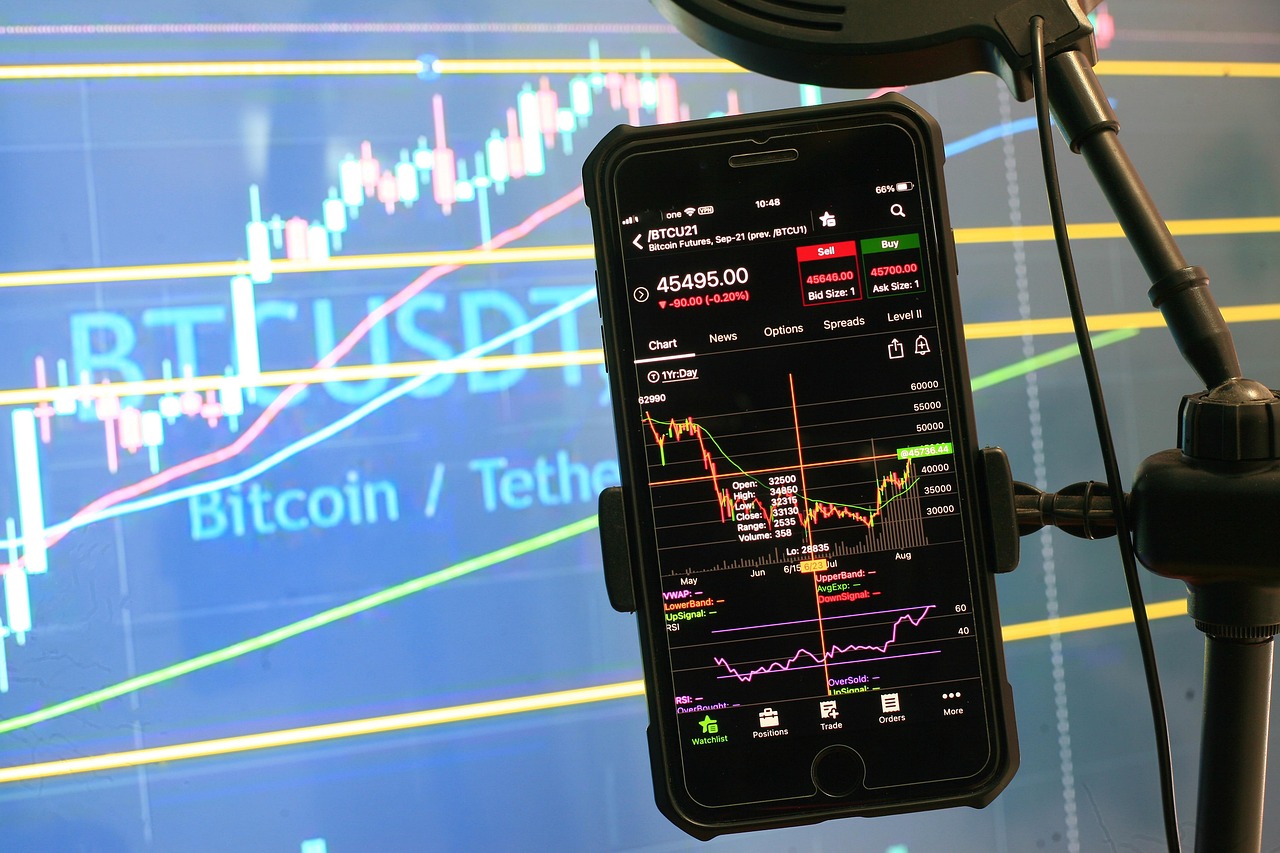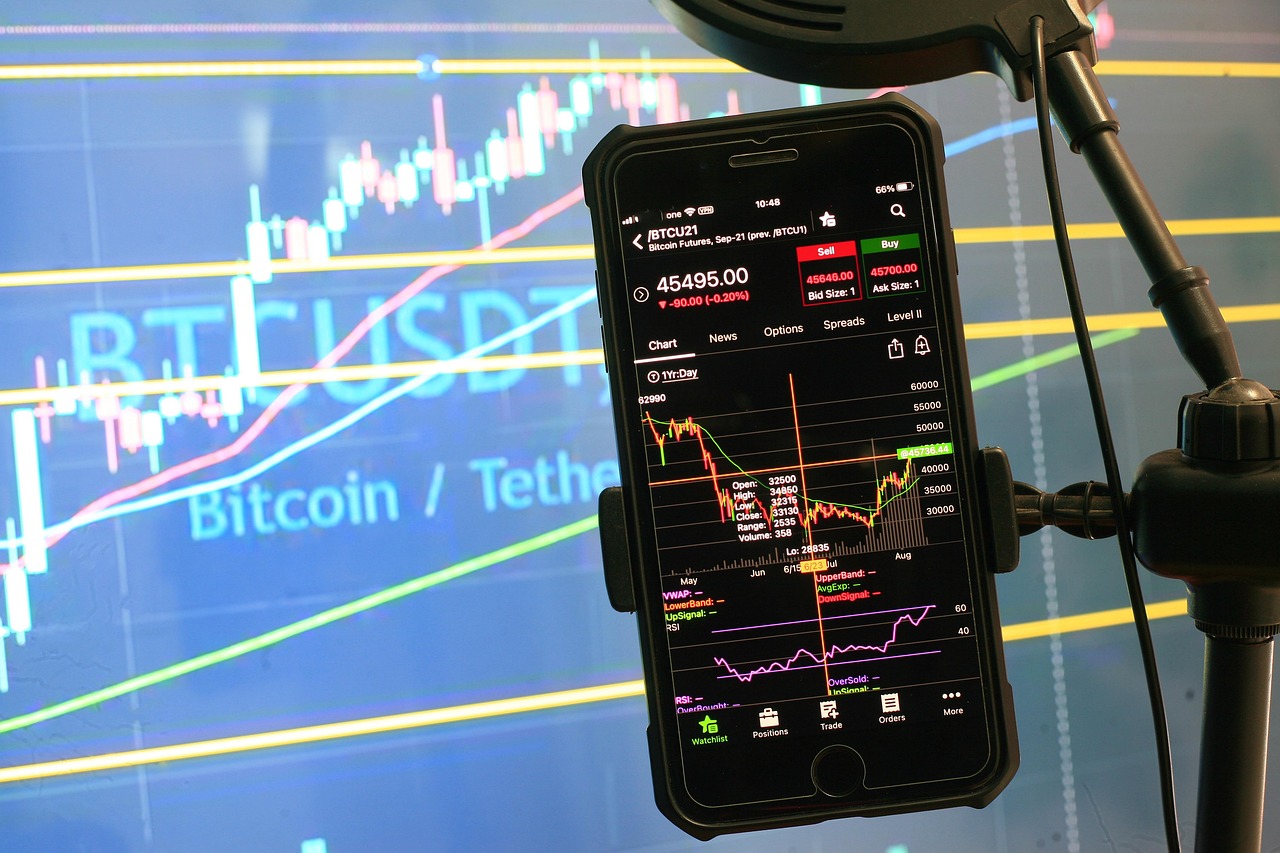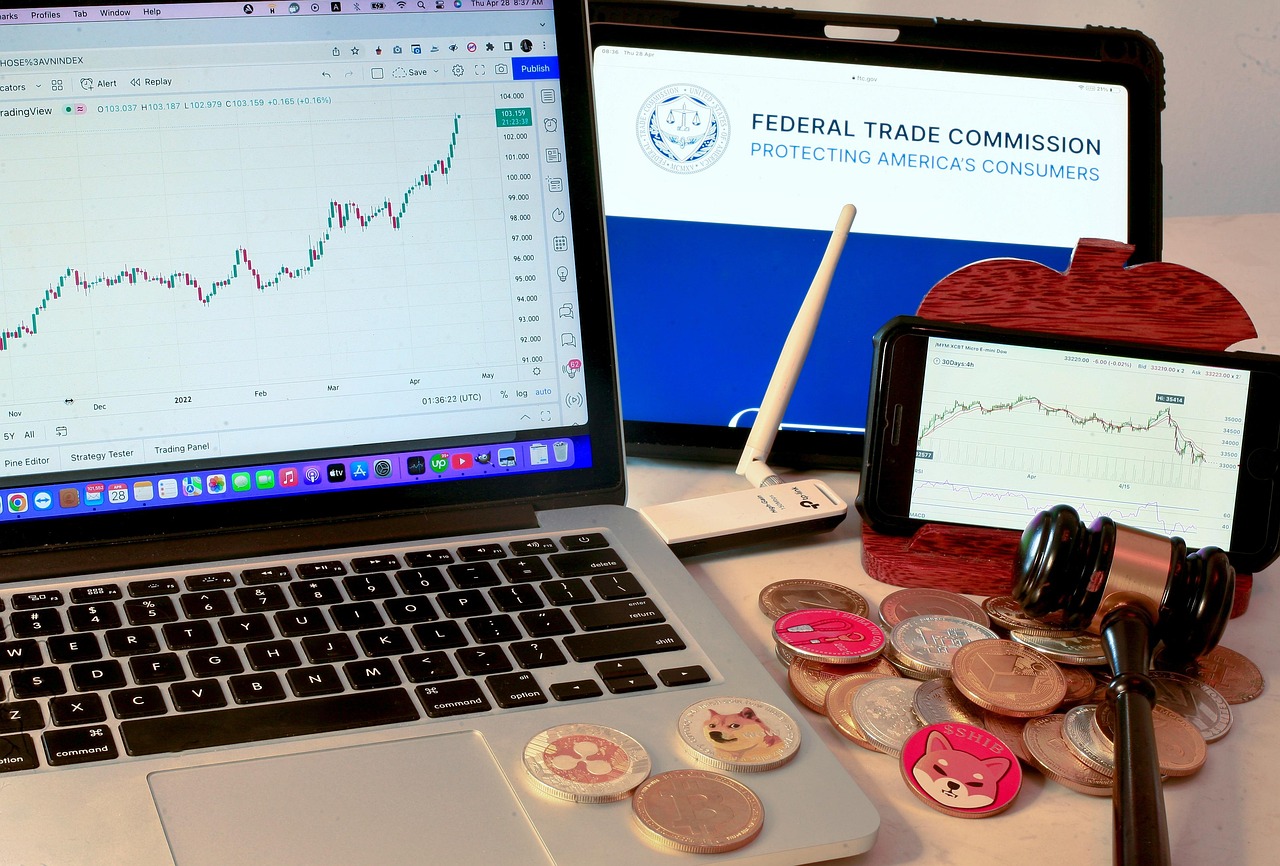
The landscape of decentralized finance (DeFi) and regulated cryptocurrency derivatives is undergoing a structural transformation as institutional infrastructure converges with on-chain liquidity. A pivotal shift occurred recently as Coinbase formally assumed responsibility as the USDC deployer for Hyperliquid, a prominent decentralized perpetual futures trading platform blockonomi.com. This integration, which utilizes the AQAv2 framework to manage Hyperliquid’s USDC treasury infrastructure, triggered a notable 10% rally in the platform's native token, HYPE, which recovered from approximately $60 to reach the $64 level blockonomi.com. As major exchanges like Coinbase and Kraken deepen their ties with decentralized protocols, the market is witnessing a migration of high-volume trading instruments—specifically perpetual futures—into the regulated U.S. financial perimeter.
The Strategic Alliance: Coinbase and Hyperliquid Treasury Operations
The collaboration between Coinbase and Hyperliquid represents more than a simple service agreement; it is a fundamental integration of centralized exchange (CEX) reliability with decentralized exchange (DEX) efficiency. Coinbase confirmed its management of Hyperliquid’s USDC treasury through two separate wallet addresses blockonomi.com. This architecture is designed to channel the majority of yields generated from the platform's USDC holdings directly back into the Hyperliquid ecosystem blockonomi.com. Analysts suggest this arrangement could potentially boost Hyperliquid’s yearly revenue by approximately $200 million blockonomi.com.
Blockchain data from HypurrScan reveals that the primary wallet involved in this operation currently holds approximately $32 million in staked HYPE tokens blockonomi.com. This move follows a series of strategic steps by Coinbase, including becoming the official treasury deployer of USDC on the network and acquiring the USDH brand assets ambcrypto.com. By securing the treasury infrastructure, Coinbase provides a layer of institutional-grade security to a protocol that has already produced roughly $1.06 billion in annualized trading fees blockonomi.com.
HYPE Token Economics and Buyback Mechanisms
The market's bullish sentiment toward HYPE is largely driven by its unique value capture model. Unlike many digital assets that rely on speculative demand, HYPE is backed by a robust buyback program. Hyperliquid maintains a policy of allocating up to 99% of its earnings toward HYPE token repurchases via its Assistance Fund program blockonomi.com. Citrini Research recently highlighted that since January 2025, cumulative buybacks have surpassed $2 billion, accounting for nearly half of all token-buyback activity across the crypto sector since the start of 2025 blockonomi.com.
This verifiable cash flow has attracted significant institutional attention. Citrini Research identified HYPE as a "compelling" investment, noting that it generates legitimate revenue in a market often dominated by "memetic" assets blockonomi.com crypto.news. During a recent seven-day period, the platform generated $29.5 million in total fees and $24.07 million in net revenue, marking its strongest weekly performance since early February blockonomi.com.
The Rise of Regulated Perpetual Futures in the U.S.
While Hyperliquid dominates the on-chain perpetual futures market with a 30-day volume of approximately $220 billion blockonomi.com, a parallel expansion is occurring in the regulated U.S. derivatives space. Kalshi, a CFTC-regulated prediction market, has aggressively expanded its "American Perpetuals" suite. Following the rollout of Bitcoin and Ethereum contracts, Kalshi recently introduced Solana (SOL) perpetual futures blockonomi.com.
The significance of these regulated products cannot be overstated for American investors. Historically, U.S. traders were forced to use offshore exchanges with limited oversight to access leveraged perpetual instruments blockonomi.com. Kalshi’s entry into this market has seen immediate success, with total notional volume surpassing $1 billion within the first week of its perpetuals launch blockonomi.com ambcrypto.com.
Expanding the Altcoin Derivatives Menu
Kalshi's strategy involves a sequential rollout of high-liquidity assets. After Bitcoin and Ethereum, the platform added XRP and Solana crypto.news. The XRP perpetual futures, trading under the ticker XRPPERP, are cash-settled and reference the CME CF XRP-Dollar Real Time Index blockonomi.com crypto.news. Each contract represents 10,000 XRP crypto.news.
Furthermore, Kalshi has filed for several additional tokens, including:
- Dogecoin (DOGE) and Shiba Inu (SHIB) blockonomi.com.
- Stellar (XLM) and Hedera (HBAR) crypto.news.
- Hyperliquid (HYPE) crypto.news.
The filing for HYPE perpetuals on Kalshi places the token in direct competition with its own native decentralized market, though Kalshi targets a more compliant, institutional demographic crypto.news.
Institutional Adoption and the CME Index Launch
As retail-focused platforms like Kalshi and Hyperliquid grow, CME Group is catering to the institutional tier. On June 8, CME launched the Nasdaq CME Crypto Index futures, a market-cap-weighted product tracking eight digital assets: Bitcoin, Ethereum, Solana, XRP, Cardano, Chainlink, Stellar, and Bitcoin Cash crypto.news crypto.news.
This index allows portfolio managers to gain exposure to the broader crypto sector through a single regulated instrument without the operational burden of managing private keys or individual token custody crypto.news. As of June 9, Bitcoin accounted for approximately 80% of the index weighting crypto.news. The standard contract (NCI) is valued at $10 times the index, while a micro version (MCI) is available at $1 times the index crypto.news.
The Debate Over Perpetual Risks
Despite the rapid growth of perpetual futures, some industry veterans remain cautious. CME Group CEO Terry Duffy has described regulated crypto perpetuals as a "disaster waiting to happen," citing concerns over high leverage and automatic liquidation models that retail traders may not fully comprehend crypto.news blockonomi.com. In contrast, the CME index futures utilize a more traditional structure that settles financially at expiration rather than relying on the continuous funding mechanisms of perpetuals crypto.news.
ETF Dynamics and Institutional Capital Flows
The institutionalization of the market is further evidenced by the success of crypto-linked ETFs. Bitwise’s BHYP ETF, which tracks Hyperliquid, has seen cumulative inflows reach $91.2 million ambcrypto.com. Although the fund recorded its first meaningful outflow of $2.9 million on June 5, it quickly returned to positive territory with $1.8 million in new inflows ambcrypto.com. Bitwise remains heavily committed to the asset, holding 1.55 million HYPE valued at approximately $99 million ambcrypto.com.
Similarly, Chainlink (LINK) has seen significant institutional interest. Net assets in LINK ETFs crossed $101.21 million, with zero outflow days recorded since its inception on December 2 cryptonews.com. This institutional backing coincided with Kalshi launching LINKPERP, the first CFTC-regulated Chainlink perpetual contract in the U.S. cryptonews.com.
Regulatory Shifts and the Future of U.S. Exchanges
The regulatory environment in the U.S. is shifting toward a more structured framework for digital assets. Backpack US, a crypto exchange that evolved from a Solana-based wallet, recently appointed former SEC Acting Chairman Michael S. Piwowar to its board crypto.news. This move signals a push for greater regulatory alignment as the company plans to expand its own perpetual futures offerings in the United States crypto.news.
However, this expansion occurs against a backdrop of political and institutional scrutiny. Recent allegations suggest potential conflicts of interest within the CFTC regarding the approval of certain prediction markets cryptonews.com. Reports indicate that enforcement staff may have been sidelined after raising compliance concerns about firms with political ties cryptonews.com. Despite these controversies, the momentum for regulated derivatives appears resilient, with platforms like Kalshi and Coinbase continuing to launch new products under existing CFTC guidelines crypto.news ambcrypto.com.
Conclusion: A New Era for Crypto Derivatives
The convergence of Coinbase’s treasury management with Hyperliquid’s high-performance trading engine, alongside the rapid expansion of Kalshi’s regulated perpetuals, marks a new era for the cryptocurrency market. The 10% rally in HYPE following the Coinbase announcement underscores the value the market places on institutional infrastructure blockonomi.com. As perpetual futures move from offshore, unregulated venues into the CFTC-supervised domain, the distinction between decentralized innovation and traditional financial oversight is blurring. With billions in trading volume now flowing through these new channels, the focus has shifted from mere speculation to sustainable, revenue-generating ecosystems backed by transparent regulatory frameworks.