The global economic landscape in May 2026 has entered a precarious phase, characterized by a sharp divergence between cooling consumer demand and accelerating price pressures. Latest Flash Purchasing Managers’ Index (PMI) reports indicate that the private sector is grappling with a renewed supply shock, primarily driven by escalating tensions in the Middle East and significant disruptions to international shipping lanes babypips.com. While a reading above 50 typically signals expansion, the recent data reveals that many of the world's largest economies are slipping into contractionary territory, even as input costs for raw materials and energy surge at their fastest rates in years babypips.com. This "stagflationary" environment—defined by stagnant growth and persistent inflation—presents a formidable challenge for central banks, which must now weigh the risks of deepening a recession against the danger of letting inflation expectations become unanchored investing.com.
The Global PMI Snapshot: A Tale of Two Sectors
The common thread weaving through the May PMI reports is the impact of the Middle East conflict, which has acted as a catalyst for supply chain uncertainty and rising energy expenses babypips.com. However, the manifestation of this shock varies significantly by region. In the United States, the composite PMI held steady at 51.7, suggesting a level of resilience not seen in other major economies investing.com. This stability was largely supported by a 49-month high in manufacturing output, which reached a reading of 56.2 investing.com. Analysts observe that this manufacturing strength may be partially artificial, as firms rush to stockpile inventory before further supply disruptions occur babypips.com.
Conversely, the U.S. services sector—the primary engine of domestic economic activity—slipped to a two-month low of 50.9 investing.com. This softening in services, combined with manufacturing input prices rising at their quickest pace since June 2022, suggests that the U.S. is not immune to the broader global trend of rising costs squeezing demand babypips.com. Employment data further complicates the picture; while initial jobless claims remained relatively low at 209,000, firms are increasingly reporting job cuts due to concerns over rising costs and a darkening economic outlook investing.com currencythoughts.com.
European Contraction and the UK Services Slump
The Euro Area is currently facing a much more severe downturn. The composite PMI for the bloc fell to 47.5 in May, down from 48.8 in April, marking the sharpest decline in private sector activity since late 2023 babypips.com. Germany and France, the region's two largest economies, both saw their manufacturing and services sectors fall into contraction currencythoughts.com. Germany’s manufacturing PMI slipped to 49.9, while services fell to 47.8 babypips.com. France reported even more concerning figures, with services dropping to a 66-month low of 42.7 currencythoughts.com. Economists now estimate that the Eurozone economy could contract by 0.2% in the current quarter currencythoughts.com.
The United Kingdom provided one of the most significant negative surprises of the month. The UK services PMI plummeted from 52.7 in April to 47.9 in May, its first contraction in over a year babypips.com. This sharp downturn in services, which accounts for approximately 80% of the UK economy, was attributed to cautious client behavior and domestic political uncertainty babypips.com. While UK manufacturing held steady at 53.7, the overall composite reading of 48.5 indicates a broader economic retreat currencythoughts.com. Despite this weak data, the British pound has remained surprisingly resilient, performing as one of the strongest major currencies of the week as markets weigh the impact of sticky inflation on future Bank of England decisions babypips.com.
Asia-Pacific: Fading Momentum and Labor Market Stress
In Asia, the expansionary momentum observed earlier in the year appears to be waning. Japan’s flash composite PMI slipped to 51.1, a five-month low, as services activity stalled for the first time in over a year babypips.com currencythoughts.com. While Japan recorded a surprise trade surplus of 302 billion yen, this was largely influenced by a 64% collapse in crude oil import volumes, suggesting supply-side constraints rather than a surge in organic demand babypips.com.
Australia’s economic data was particularly stark. The composite PMI fell to 47.8, and business sentiment matched pandemic-era lows last seen in March 2020 babypips.com. The labor market showed signs of significant stress, with the economy losing 18,600 jobs in April, pushing the unemployment rate to 4.5%—its highest level since late 2021 babypips.com. This data has led to a rapid repricing of interest rate expectations for the Reserve Bank of Australia (RBA), with the probability of an August rate hike falling from 81% to 42% babypips.com.
The Central Bank Dilemma: No Easy Path
The current "stagflationary" setup leaves central banks with limited room to maneuver. Traditionally, a slowdown in growth would be met with interest rate cuts to stimulate activity. However, with input prices surging due to the closure of the Strait of Hormuz—a vital waterway for 20% of the world's oil—cutting rates could further fuel inflationary pressures investing.com babypips.com.
- Federal Reserve: With the U.S. economy still showing modest growth, the Fed is under less immediate pressure to cut rates than its peers, though it faces rising manufacturing costs babypips.com.
- European Central Bank (ECB): The ECB faces a difficult decision on June 11. While activity is contracting sharply, price pressures remain elevated, leaving the bank stuck between supporting growth and fighting inflation babypips.com.
- Bank of England (BOE): The BOE maintains rates at 3.75%, but the five-point plunge in services PMI may force a shift in its neutral-to-hawkish stance babypips.com.
Market Reactions and Geopolitical Volatility
Financial markets have been highly sensitive to headlines regarding potential peace talks between the U.S. and Iran. Reports of a possible draft agreement mediated by Pakistan briefly triggered a sharp sell-off in oil prices and a spike in equities babypips.com. WTI crude oil, which had reached highs above $101.50 per barrel, reversed to close near $96.70 as traders speculated on the reopening of the Strait of Hormuz babypips.com. Despite this intraday volatility, the S&P 500 managed to close at a historic high of 7,516.14, driven by strong corporate earnings from tech and retail giants like Nvidia and Walmart theconcepttrading.com.
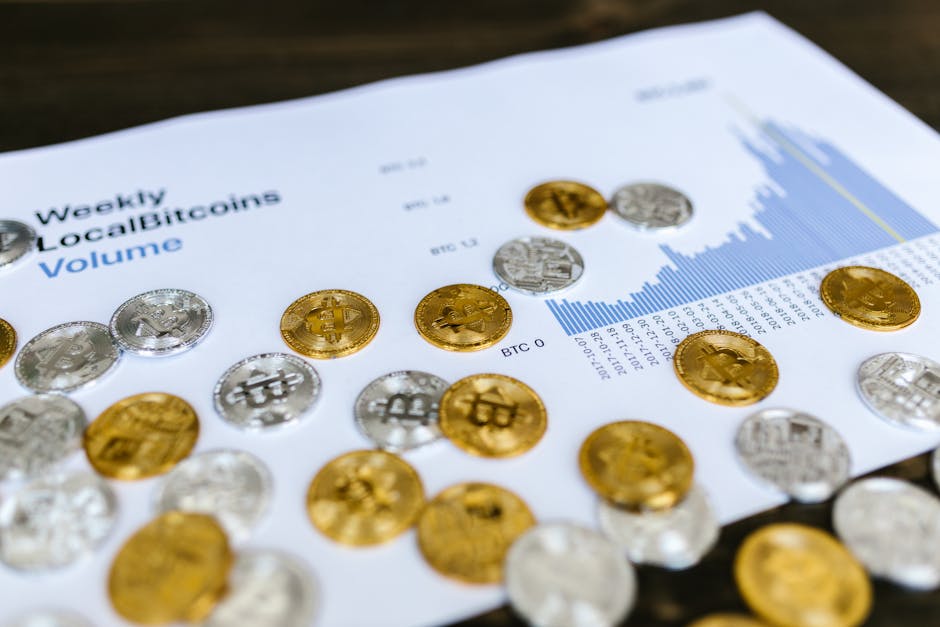
In the cryptocurrency sector, the market has shown a decoupling between "classic" assets and newer utility-focused platforms. While Bitcoin edged modestly higher to $77,590, XRP faced bearish pressure as whale activity—transactions worth over $1 million—dropped by 57% over a nine-day period babypips.com finbold.com. Conversely, the decentralized exchange token Hyperliquid (HYPE) surged nearly 50% in a week, reaching a market capitalization of $14.6 billion, fueled by the launch of pre-IPO perpetual futures for companies like SpaceX and OpenAI finbold.com.
Conclusion
The May 2026 Flash PMI data paints a picture of a global economy at a crossroads. The resilience of the U.S. manufacturing sector and the record-breaking performance of major equity indices contrast sharply with the deepening contractions in Europe and the sudden slump in UK services. As geopolitical tensions continue to drive energy costs higher and disrupt supply chains, the risk of a prolonged period of stagflation has moved to the forefront of the macro narrative. Central banks now face the unenviable task of navigating this volatility without a clear policy playbook, as the traditional tools for managing growth and inflation appear increasingly at odds with the current reality of the private sector.


![[crypto] Labor Market Tightens despite Tepid Job Growth as Labor Force Declines further amid Crackdown on Illegal Immigration](/uploads/thumbnails/crypto-labor-market-tightens-despite-tepid-job-growth-as-labor-force-declines-further-amid-crackdown.jpg)