Crypto Crime's Escalation: A Global Regulatory Response and the Future of Decentralized Finance

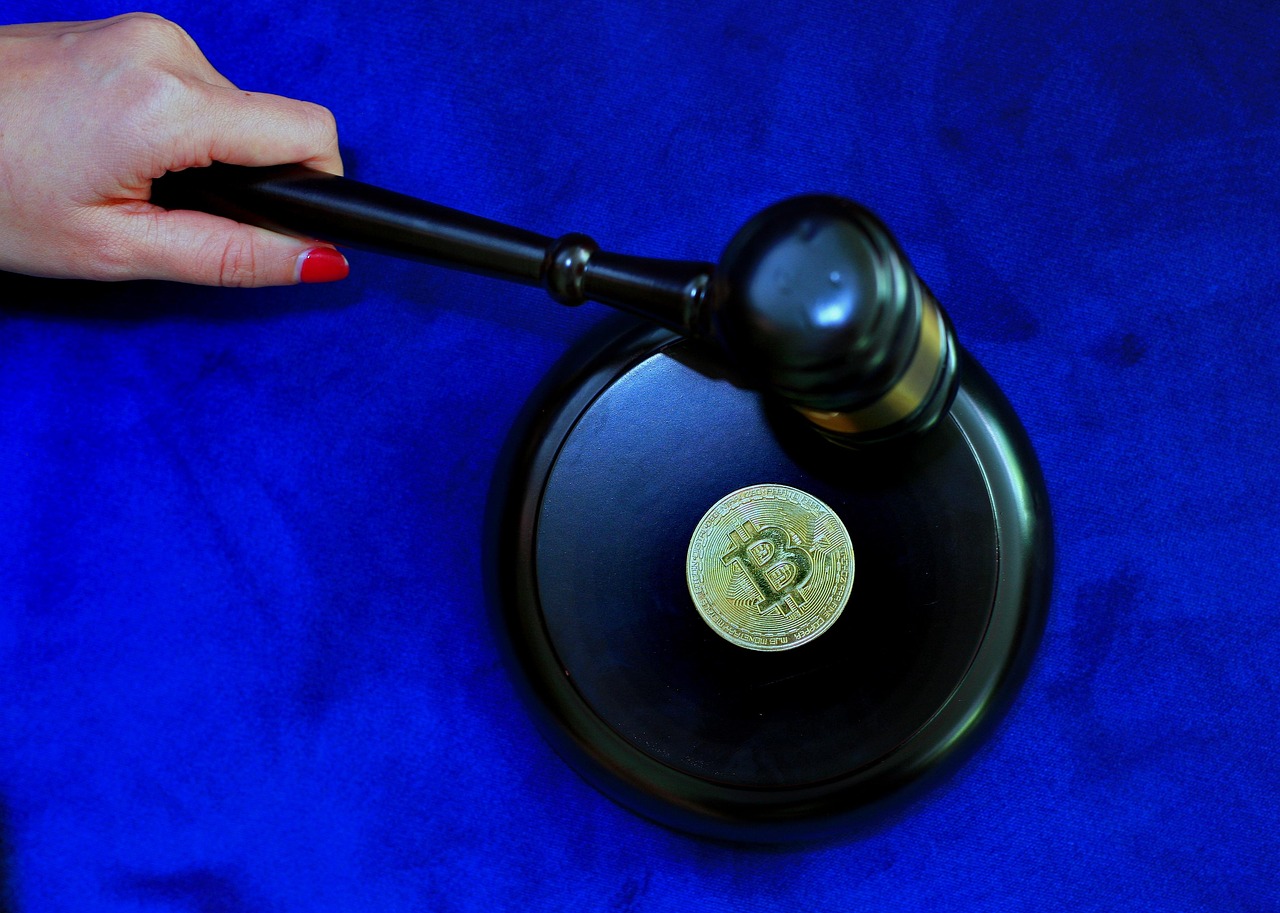
Photo: Pexels / RDNE Stock project
Crypto Crime Hits Record $154 Billion as Sanctioned States Turn to Blockchain
The cryptocurrency industry has reached a sobering milestone in 2025, with illicit activity on blockchain networks surging to an unprecedented $154 billion, according to a comprehensive report from blockchain analytics firm Chainalysis ambcrypto.com. This represents the highest level of crypto crime ever recorded, yet paradoxically accounts for less than 1% of total on-chain transaction volume news.bitcoin.com. The findings reveal a complex landscape where criminal activity is both escalating in absolute terms and becoming proportionally smaller within the rapidly expanding crypto ecosystem.
The surge in illicit crypto flows is being driven primarily by a dramatic increase in sanctions evasion, which has become the fastest-growing category of cryptocurrency crime. Funds flowing to sanctioned entities jumped an astonishing 694% year over year, with these actors now accounting for roughly two-thirds of all illicit crypto transactions ambcrypto.com. This shift marks a significant evolution in how criminal organizations and state actors are leveraging blockchain technology to circumvent traditional financial controls.
The New Face of Crypto Crime: State Actors and Sanctions Evasion
Traditional perceptions of cryptocurrency crime have long centered on hacks, scams, and ransomware attacks. However, the 2025 data reveals a fundamental shift in the nature of illicit crypto activity. Sanctioned entities, including governments, financial institutions, and organizations restricted from accessing traditional financial systems under international sanctions regimes, have emerged as the dominant force in crypto crime ambcrypto.com.
The report identifies several geopolitical drivers behind this trend, particularly networks tied to Russia, Iran, and North Korea, which have increasingly turned to digital assets to move funds across borders ambcrypto.com. These state-aligned actors are exploiting the borderless nature of blockchain technology to bypass financial restrictions and maintain economic activity despite international sanctions.
Russia's involvement has been particularly notable, with the launch of a ruble-backed token called A7A5 that transacted over $93 billion in less than a year ambcrypto.com. This token was specifically designed to facilitate sanctions evasion, demonstrating how nation-states are now creating sophisticated crypto infrastructure to support their economic objectives. The scale of this activity underscores how cryptocurrency has evolved from a tool for individual criminals to a strategic asset for state-level financial operations.
North Korea remains the most prolific state-linked hacking group, continuing its pattern of targeting cryptocurrency exchanges and DeFi protocols to fund its regime ambcrypto.com. The country's cyber units have become increasingly sophisticated, employing advanced techniques to compromise crypto platforms and convert stolen assets into usable funds. This represents a concerning trend where nation-states are not just using crypto for sanctions evasion but actively participating in cybercrime as a revenue generation strategy.
Beyond Sanctions: The Broader Crypto Crime Landscape
While sanctions evasion dominates the headlines, the Chainalysis report reveals that criminal activity rose across most categories in 2025 ambcrypto.com. Even excluding sanctioned activity, the year would still mark a record for illicit on-chain transactions. This suggests that the overall crypto ecosystem continues to attract various forms of criminal enterprise, from traditional scams to sophisticated financial fraud.
One notable incident involved the Solv Protocol, a DeFi platform that allows users to stake Bitcoin through its Staking Abstraction Layer crypto.news. In March 2026, the protocol suffered a $2.7 million exploit when attackers abused a double-minting flaw in a BitcoinReserveOffering contract crypto.news. The incident impacted fewer than 10 users, but it highlights the ongoing vulnerabilities in DeFi protocols that criminals continue to exploit.
The attack on Solv Protocol demonstrates the technical sophistication of modern crypto criminals. According to security firm Decurity's automated bot, the exploiter was able to trigger the vulnerability 22 times, inflating 135 BRO tokens into roughly 567 million BRO tokens before converting the funds into SolvBTC crypto.news. This level of technical expertise and persistence indicates that criminal actors are investing significant resources in developing specialized capabilities for crypto exploitation.
Another concerning trend is the rise of address poisoning attacks, where criminals manipulate transaction patterns to trick victims into interacting with malicious wallet addresses themerkle.com. A recent case involved a wallet linked to the user known as Sillytuna, which was drained of approximately $24 million in digital assets through this sophisticated technique themerkle.com. These attacks exploit the complexity of crypto transactions and the difficulty users face in verifying wallet addresses, representing a new frontier in crypto crime methodology.
The Stablecoin Factor: Cross-Border Payments and Criminal Enterprise
Stablecoins have emerged as a double-edged sword in the cryptocurrency ecosystem. While they offer legitimate benefits for cross-border payments, their characteristics make them particularly attractive to criminals pymnts.com. The same attributes that make stablecoins appealing for legitimate commerce—price stability, global reach, and 24-hour liquidity—enable large sums to move across borders almost instantly, creating new opportunities for money laundering and sanctions evasion.
A new report from the Financial Action Task Force (FATF) titled "Targeted Report on Stablecoins and Unhosted Wallets" highlighted the growing tension between the technology's promise of frictionless global payments and the risks posed by an ecosystem that remains only partially regulated pymnts.com. The report identifies peer-to-peer stablecoin transfers as a "key vulnerability" contributing to money laundering, terrorist financing, and sanctions evasion decrypt.co.
The FATF specifically warns that stablecoins are increasingly being used in illicit finance schemes when transactions occur directly between unhosted wallets, where users control their own private keys decrypt.co. This poses heightened financial crime risks because such transactions occur outside regulated intermediaries, making them difficult for authorities to monitor and control. The agency recommends that stablecoin issuers implement technical measures to block, freeze, and withdraw stablecoins at any time if there are intended transactions to or from non-allow-listed or deny-listed wallets decrypt.co.
The scale of stablecoin use in illicit activity is staggering. According to Chainalysis, stablecoins accounted for about 84% of the $154 billion in illicit cryptocurrency transactions recorded in 2025 decrypt.co. This dominance reflects both the growing adoption of stablecoins in the broader crypto ecosystem and their particular utility for criminal purposes. The combination of price stability and ease of transfer makes them ideal for moving large sums of money without the volatility risks associated with other cryptocurrencies.
Physical Threats and Personal Security in the Crypto Space
The crypto crime landscape has expanded beyond digital attacks to include physical threats against cryptocurrency holders. A particularly alarming case involved crypto holder Sillytuna, who reported a large-scale theft of crypto from his personal wallets following a physical attack cryptopolitan.com. The incident did not use the usual digital exploits but revealed the growing danger for known crypto owners who have significant digital assets.
Sillytuna lost over $24 million in stablecoins following a physical attack and threats, with funds diverted from personal wallets cryptopolitan.com. The attack is part of an emerging trend where crypto holders are directly targeted, either for their public identities as influencers or through other means of gathering information about their holdings. This represents a concerning escalation where the anonymity and security traditionally associated with cryptocurrency ownership are being compromised by physical threats.
The incident highlights the unique vulnerabilities faced by high-profile crypto users. Unlike traditional financial assets, cryptocurrency holdings can be accessed through digital wallets that may be compromised through various means, including physical coercion. The combination of public visibility in the crypto community and the ability to transfer large sums quickly makes certain individuals particularly attractive targets for criminal organizations.
Regulatory Response and the Future of Decentralized Finance
The surge in crypto crime has prompted an aggressive regulatory response globally. The US Internal Revenue Service (IRS) is seeking to require electronic delivery of tax forms to crypto exchange users, removing the current requirement for paper copies and allowing brokers to terminate relationships with clients who refuse electronic delivery cointelegraph.com. This move represents part of a broader effort to increase transparency and oversight in the crypto industry.
The regulatory landscape is evolving rapidly, with institutions now prioritizing compliance over the innovation that characterized the early crypto era cryptonews.com. According to Yuliya Barabash, founder of SBSB Fintech Lawyers, "The game completely changed after FTX and Celsius collapsed, exposing just how badly customer funds were being mismanaged" cryptonews.com. Since those high-profile failures, regulators across the world have started moving much faster, with new rules appearing and oversight tightening.
This regulatory shift raises important questions about the future of decentralized finance. Is regulation helping the industry grow up, or could it end up slowing the innovation that made crypto possible in the first place? The tension between decentralization and regulation represents one of the most significant challenges facing the crypto industry as it matures.
Traditional banking groups are actively opposing the expansion of crypto institutions, as evidenced by their efforts to block Kraken's Federal Reserve approval bitcoinist.com. Despite Kraken becoming the first digital asset bank in American history to gain direct access to the central bank's payment infrastructure, the move has drawn sharp criticism from the traditional banking industry bitcoinist.com. This resistance reflects the broader conflict between established financial institutions and the emerging crypto sector.
Technological Arms Race: Security vs. Exploitation
The crypto crime landscape represents a continuous technological arms race between security professionals and criminal actors. As security measures improve, criminals develop increasingly sophisticated techniques to circumvent them. The Solv Protocol exploit, which involved a double-minting flaw in a smart contract, demonstrates the level of technical expertise now required to compromise crypto platforms crypto.news.
Security firms are constantly developing new tools to detect and prevent crypto crime. However, the decentralized and pseudonymous nature of blockchain technology creates inherent challenges for security efforts. Once a transaction is confirmed on a blockchain, it cannot be reversed, making recovery of stolen funds extremely difficult. This characteristic, while fundamental to the philosophy of decentralization, also creates significant challenges for law enforcement and security professionals.
The rise of sophisticated attack vectors like address poisoning and reentrancy attacks indicates that criminal organizations are investing heavily in specialized expertise themerkle.com. These techniques require deep understanding of smart contract architecture and blockchain mechanics, suggesting that crypto crime has evolved into a professionalized industry with its own research and development capabilities.
The Path Forward: Balancing Innovation and Security
As the crypto industry continues to mature, finding the right balance between innovation and security becomes increasingly critical. The record $154 billion in illicit activity represents both a challenge and an opportunity for the industry to demonstrate its resilience and adaptability. While the absolute volume of crypto crime is concerning, the fact that it represents less than 1% of total transaction volume suggests that the vast majority of crypto activity remains legitimate news.bitcoin.com.
The future of cryptocurrency will likely be shaped by how effectively the industry can address these security challenges while maintaining the innovative spirit that drove its initial growth. This may require new approaches to security, enhanced regulatory frameworks, and continued technological advancement in areas like fraud detection and prevention.
The involvement of state actors in crypto crime adds another layer of complexity to the security landscape. Unlike individual criminals or organized crime groups, nation-states have significant resources and may be willing to accept higher levels of risk in pursuit of their objectives. This creates a fundamentally different security challenge that may require new approaches to defense and deterrence.
As cryptocurrency becomes increasingly integrated into the global financial system, the stakes for effective security and regulation continue to rise. The industry must evolve to address these challenges while preserving the core principles of decentralization and financial sovereignty that attracted many users to cryptocurrency in the first place. The path forward will require collaboration between developers, regulators, security professionals, and the broader crypto community to create a sustainable ecosystem that can resist criminal exploitation while fostering innovation.
Conclusion: The Maturing Crypto Ecosystem
The record $154 billion in crypto crime in 2025 represents a watershed moment for the cryptocurrency industry. It demonstrates both the growing scale of the ecosystem and the evolving nature of criminal activity within it. While the absolute volume of illicit transactions is concerning, the fact that crypto crime still represents less than 1% of total on-chain activity suggests that the vast majority of cryptocurrency use remains legitimate and beneficial news.bitcoin.com.
The shift toward sanctions evasion as the dominant form of crypto crime reflects the maturation of the industry and its increasing importance in global finance. State actors are now leveraging cryptocurrency not just as a tool for individual criminal activity but as a strategic asset for geopolitical objectives. This evolution requires a corresponding evolution in how the industry approaches security, regulation, and international cooperation.
Looking ahead, the crypto industry faces a critical juncture. The regulatory response to the surge in crime will shape the future development of the technology and its integration into the broader financial system. Success will require balancing the need for security and oversight with the preservation of the innovation and decentralization that make cryptocurrency valuable. As the industry continues to mature, its ability to address these challenges while maintaining its core principles will determine whether it fulfills its promise as a transformative financial technology or succumbs to the criminal exploitation that has characterized its recent history.
Related

Crypto Crime Surges, Regulation Expands Globally
Mar 6, 2026

Crypto Crime Surges: State Actors & Advanced Exploits Threaten Security
Mar 6, 2026

Crypto & National Security: Sanctions, Regulation, and Risk
Feb 25, 2026

Record $20.8B Cybercrime Surge: Crypto Fraud Hits $11.4B in 2025
Apr 8, 2026
Crypto Regulation: Global Enforcement & Innovation in 2026
Mar 1, 2026

The Human & Technical Risks of Crypto: Wrench Attacks and Exploits
May 4, 2026
Source Articles
This article is based on analysis of 15 source articles from our news database.
- 1Bitcoin.com·Kevin Helms·news.bitcoin.com·
- 2Crypto news·Rony Roy·crypto.news·
- 3AMBCrypto·Adewale Olarinde·ambcrypto.com·
- 4Cointelegraph·Cointelegraph by Vince Quill·cointelegraph.com·
- 5The Merkle·Will Izuchukwu·themerkle.com·
- 6The Defiant·The Defiant Team·thedefiant.io·
- 7UToday·Alex Dovbnya·u.today·
- 8PYMNTS·PYMNTS·pymnts.com·
- 9Cointelegraph·Cointelegraph by Dilip Kumar Patairya·cointelegraph.com·
- 10Decrypt·Vismaya V·decrypt.co·
- 11Bitcoin.com·Terence Zimwara·news.bitcoin.com·
- 12Bitcoinist·Ronaldo Marquez·bitcoinist.com·
- 13CryptoNews·Ahmed Balaha·cryptonews.com·
- 14Cryptopolitan·Hristina Vasileva·cryptopolitan.com·
- 15Crypto Daily·Laurie Dunn·cryptodaily.co.uk·