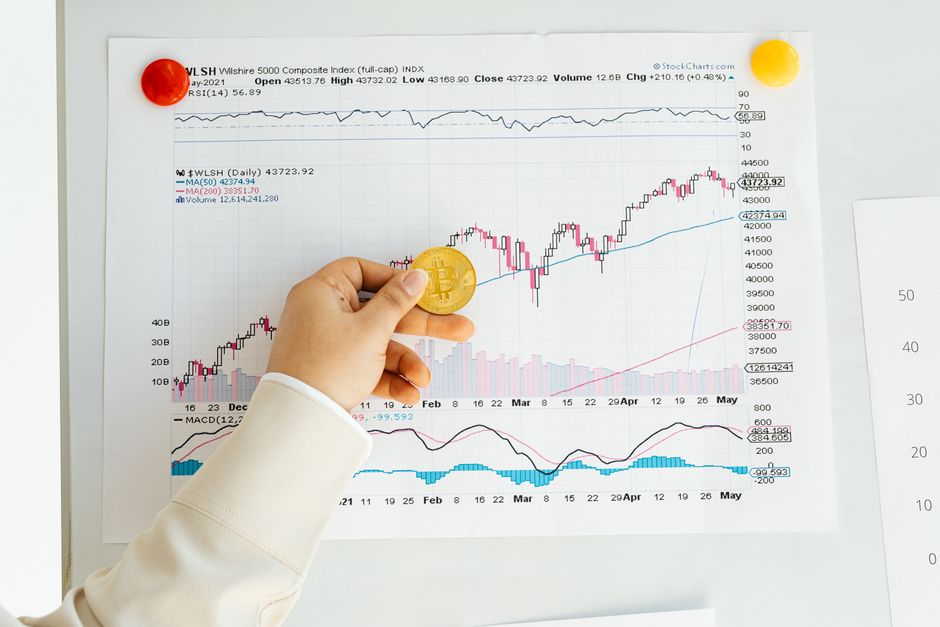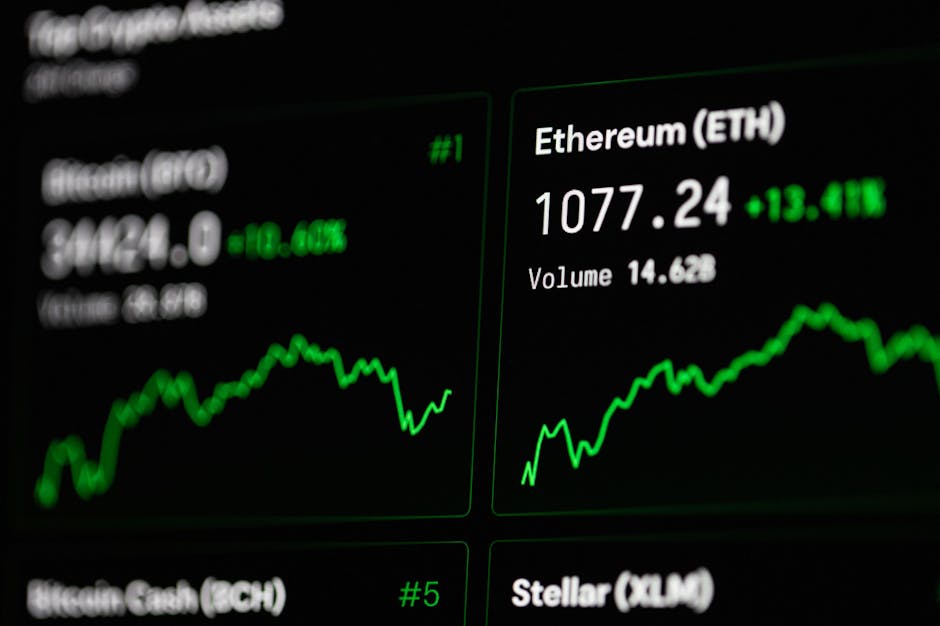
The digital asset market underwent a dramatic transformation in mid-April 2026, as a convergence of geopolitical de-escalation and unprecedented institutional accumulation propelled Bitcoin (BTC) back toward the $80,000 threshold. After months of grinding descent from its October 2025 peak of $126,000, the market found a decisive catalyst in the Middle East blockonomi.com. The reopening of the Strait of Hormuz triggered a massive relief rally across risk assets, sending oil prices tumbling and liquidating hundreds of millions of dollars in bearish bets . As the Fear & Greed Index sits at 27, indicating a state of "Fear," the underlying data suggests a sophisticated divergence between retail sentiment and institutional action [Market Data].
Geopolitical Catalysts: The Hormuz Breakthrough
On April 17, 2026, the primary macro overhang on the cryptocurrency market was lifted when Iranian Foreign Minister Abbas Araghchi announced that the Strait of Hormuz would remain "completely open" for commercial shipping during an ongoing ceasefire . This announcement followed the confirmation of a 10-day ceasefire between Israel and Lebanon .
The impact on global markets was immediate and profound:
- Oil Prices: Brent crude prices plummeted by approximately 12%, easing global inflation fears .
- Bitcoin Price Action: BTC surged 5.48% within 24 hours, reaching an intraday high of $78,384 blockonomi.com.
- Short Squeeze: The rally triggered $805 million in total futures liquidations, with short positions accounting for $643 million of that total . On Binance alone, $17.81 million in shorts were wiped out in a single day .
This geopolitical shift effectively compressed the risk premium that had been suffocating Bitcoin for much of 2026 cryptonews.com. Analysts note that while the US naval blockade of Iranian ports remains in force, the reopening of the strait—which carries a fifth of the world's oil and LNG supply—has removed the single largest barrier to risk-on sentiment .
Institutional Resurgence: Morgan Stanley and the ETF Boom
While macro events provided the spark, institutional demand provided the fuel. Morgan Stanley has emerged as a primary driver of this new accumulation phase. On April 18, 2026, data revealed that the bank purchased 177.76 BTC worth $13.75 million, bringing its total holdings to 1,347.54 BTC, valued at approximately $103.94 million ambcrypto.com.
The bank's newly launched spot ETF, the Morgan Stanley Bitcoin Trust (MSBT), has seen massive success, recording $102 million in inflows during its first week of trading ambcrypto.com. Total assets for MSBT have already exceeded $140 million, marking the most successful ETF launch in the firm's history ambcrypto.com.
Record-Breaking ETF Inflows
The broader spot Bitcoin ETF ecosystem is witnessing a significant rebound. Total net inflows for the week ending April 18 reached $996 million, the strongest performance since early January u.today. Key data points include:
- Single-Day Peak: Friday, April 18, saw inflows surge to a three-month high of $663.9 million ambcrypto.com u.today.
- Total Assets: Cumulative net assets across all spot Bitcoin ETFs have now surpassed $101 billion u.today.
- Trading Volume: Daily activity neared $4.8 billion, reflecting heightened participation from both retail and institutional sectors u.today.
- Coinbase Premium: The Coinbase Premium Index has remained positive for ten consecutive days, the longest streak of 2026, signaling sustained demand from US-based institutions ambcrypto.com.
Goldman Sachs and the Evolution of Crypto Products
Not to be outdone, Goldman Sachs filed a registration statement with the SEC on April 14 for the Goldman Sachs Bitcoin Premium Income ETF crypto.news. Unlike traditional spot ETFs like BlackRock’s IBIT—which has accumulated $63.8 billion in net inflows—the Goldman product is a "covered-call" fund crypto.news.
This fund will not hold Bitcoin directly. Instead, it will route exposure through existing spot Bitcoin ETPs and generate monthly income by selling call options against those positions crypto.news. Industry experts, including Eric Balchunas, have described this as "boomer candy," targeting conservative investors who want exposure to Bitcoin's price movements but prefer regular yield and reduced volatility over pure price appreciation u.today crypto.news.
Technical Analysis: Breaking the Seven-Month Ceiling
From a technical perspective, Bitcoin's move above $78,000 is significant because it invalidated a descending resistance trendline that had capped every rally attempt since October 2025 blockonomi.com. For seven months, this line acted as a "gravity" well, threatening to pull prices down to the $50,000–$55,000 support zone blockonomi.com.
Key Technical Indicators:
- Moving Averages: Bitcoin has successfully flipped the 20, 50, and 100-day Exponential Moving Averages (EMAs) ambcrypto.com. However, a "death cross" remains on the daily chart, with the 50-day EMA still below the 200-day EMA, though the gap is beginning to compress blockonomi.com.
- Relative Strength Index (RSI): The weekly RSI has printed a bullish break after falling below 30 in Q1 2026 bitcoinist.com. On the daily chart, the RSI sits at 67.7, nearing the overbought threshold of 70 but still allowing room for further upside blockonomi.com.
- Momentum: The Stochastic Momentum Index (SMI) has risen to 70, and the Price Momentum indicator stands at 62.19, signaling an "Acceleration Trend" ambcrypto.com.
- Exchange Netflow: A net outflow of -2,275.894 BTC was recorded across exchanges, suggesting that whales are moving assets into cold storage rather than preparing to sell .
Analysts suggest that if Bitcoin can hold the $74,000–$75,000 level as support, the next major resistance sits at $80,000, with a potential ceiling near $82,938 ambcrypto.com blockonomi.com.
The Mining Pivot and Ethereum's Q2 Divergence
While Bitcoin captures the headlines, the underlying infrastructure is shifting. Bitcoin miners are increasingly pivoting toward Artificial Intelligence (AI) compute business. Capriole Investments founder Charles Edwards warned that this shift could see traditional mining revenue plunge to just 30% of current levels within 2-3 years as firms reallocate resources to AI bitcoinist.com.
Simultaneously, Ethereum (ETH) is showing signs of a Q2 recovery. Despite a weak Q1 where ETH dropped 29.26%, the network processed a record 200 million transactions in the first quarter of 2026 ambcrypto.com. Ethereum's staking dynamics remain strong, with 2.8 million ETH in the entry queue and virtually zero in the exit queue ambcrypto.com. In the early stages of Q2, ETH has outperformed BTC with a 14% gain, supported by $54.55 million in daily ETF inflows compared to a brief period of BTC outflows earlier in the week ambcrypto.com.
Conclusion: A Decisive Stage for Digital Assets
The cryptocurrency market has entered what analysts describe as a "decisive stage" thedefiant.io. The combination of a geopolitical breakthrough in the Strait of Hormuz and the aggressive entry of Wall Street giants like Morgan Stanley and Goldman Sachs has fundamentally altered the supply-demand dynamic. While the "Fear" reading on the Fear & Greed Index suggests retail caution, the record-breaking ETF inflows and massive short liquidations indicate that the path of least resistance may now be higher. Investors must now watch the $80,000 resistance level; a successful breach could signal the end of the post-2025 correction and the start of a new discovery phase ambcrypto.com cryptonews.com blockonomi.com.