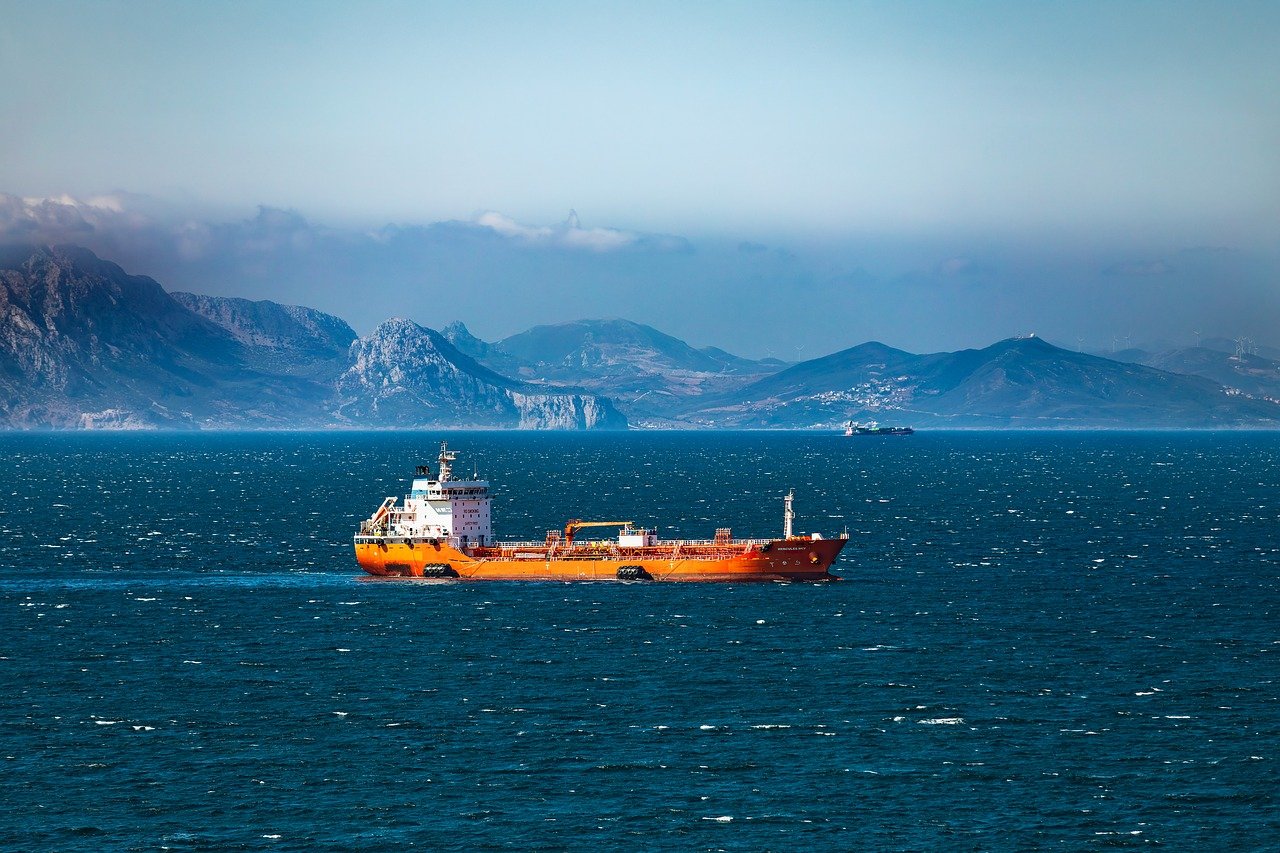
The Asian Development Bank (ADB) has issued a stark warning regarding the economic trajectory of the Asia Pacific region, cautioning that a prolonged conflict in the Middle East is poised to trigger a period of weaker growth and significantly higher inflation investing.com. As the crisis disrupts vital trade routes and energy markets, ADB President Masato Kanda described the situation as a "formidable test" for the region’s economic ascent, injecting fresh uncertainty into an already fragile global landscape investing.com. With the Strait of Hormuz—a waterway that typically handles approximately one-fifth of global oil trade—facing ongoing disruptions, the regional economy is bracing for a sustained impact on input costs and consumer prices investing.com investing.com.
ADB Economic Forecasts: A Region Under Pressure
According to the latest Asia Development Outlook, the ADB has significantly revised its projections for developing Asia and the Pacific, a region comprising 43 economies including China and India investing.com. If hostilities in the Middle East persist through the third quarter of 2026, regional growth is expected to ease to 4.7%, down from 5.4% in the previous year investing.com. Simultaneously, inflation is projected to surge to 5.6%, nearly doubling the 3.0% rate recorded in 2025 investing.com.
The ADB’s analysis highlights the severe consequences of a long-term conflict. If the crisis drags on for a full year, the region could lose an estimated 1.3 percentage points of growth over the 2026-2027 period investing.com. These figures stand in sharp contrast to the ADB's baseline assumptions from March 10, which anticipated a modest slowdown to 5.1% growth and inflation of only 3.6% based on a shorter conflict duration investing.com.
Sub-Regional Growth Projections (2026-2027)
- China: Growth is expected to slow to 4.6% in 2026 and 4.5% in 2027 investing.com.
- India: GDP growth is projected at 6.9% for 2026, rebounding to 7.3% in 2027 investing.com.
- Southeast Asia: The sub-region is forecast to grow by 4.7% in 2026, with Thailand seeing a particularly low growth rate of 1.8% investing.com.
- The Pacific: Growth is expected to decelerate to 3.4% in 2026 and 3.2% in 2027 investing.com.
- Caucasus and Central Asia: Growth is projected at 4.2% for 2026 investing.com.
The Energy Catalyst: Global Price Spikes and Local Impacts
The primary transmission mechanism for this economic distress is the volatile energy market. In the United States, the Consumer Price Index (CPI) for March already reflected a massive 0.87% monthly spike, equivalent to a 10.9% annualized increase wolfstreet.com. Gasoline prices, which account for roughly half of the energy CPI, jumped by 21% seasonally adjusted in March alone wolfstreet.com. Year-over-year, the CPI for gasoline has spiked by 18.9% wolfstreet.com.
These energy shocks are not confined to the West. In China, while consumer inflation rose less than expected at 1.0% year-on-year in March, the Producer Price Index (PPI) returned to growth for the first time since September 2022, rising 0.5% investing.com. This rebound in PPI is directly attributed to surging global oil prices and disruptions in the Strait of Hormuz, which have increased input costs for Chinese manufacturers investing.com.
The ADB warns that the current ceasefire, brokered after U.S. and Israeli strikes on Iran, remains "fairly fragile" investing.com. ADB Chief Economist Albert Park noted that prediction markets do not assign a high probability to the ceasefire lasting, making it difficult to forecast any material improvement in the growth outlook investing.com.
Market Sentiment and Geopolitical Volatility
Financial markets are currently caught in a "fragile equilibrium" mql5.com. While some investors have cheered potential de-escalation, such as the 32-hour Easter ceasefire between Russia and Ukraine and peace talks in Islamabad, the underlying reality of "sticky" inflation remains a heavy anchor currencythoughts.com theconcepttrading.com. The U.S. 10-year Treasury yield has rebounded toward 4.30%, signaling that the "higher-for-longer" interest rate narrative is regaining traction theconcepttrading.com.
Consumer confidence has taken a significant hit. The University of Michigan’s Consumer Sentiment Index plunged to a record low of 47.6 in early April, down from 53.3 in March investing.com. Consumers are increasingly blaming the Middle East conflict for unfavorable economic changes, with year-ahead inflation expectations jumping to 4.8% investing.com.
Asset Class Performance and Signals
- Gold: Currently trading near $4,765, gold is being viewed as a macro-root play, sensitive to both geopolitical risk and potential Fed pivots mql5.com. Institutional "Dark Pool" activity suggests big banks are loading up on defensive positions mql5.com.
- Oil: West Texas Intermediate (WTI) has rebounded to approximately $98 per barrel, supported by supply-side tightness and the geopolitical risk premium currencythoughts.com theconcepttrading.com.
- Equities: While U.S. markets have shown resilience led by Mega-cap Tech, Asian markets have seen mixed results. Share prices in Indonesia and Japan rose 2.1% and 1.8% respectively on recent peace hopes, but the ADB warns that these gains may be temporary if hostilities resume currencythoughts.com investing.com.
- USD/JPY: Sentiment remains slightly bearish at -0.200, as the market weighs yield differentials against safe-haven flows.
Trade Policy and Global Headwinds
Adding to the regional uncertainty is the shifting landscape of U.S. trade policy. A U.S. trade court is currently weighing the legality of a 10% global import tax imposed by the Trump administration under Section 122 of the Trade Act of 1974 investing.com. This tariff, which went into effect on February 24, is being challenged by 24 states and several small businesses who argue it sidesteps previous Supreme Court rulings investing.com. The administration defends the move as a necessary response to persistent trade deficits investing.com. For Asia Pacific exporters, these tariffs represent an additional layer of cost and complexity on top of rising shipping and energy expenses.
Conclusion: A Quality and Selection Regime
The Asia Pacific region stands at a critical juncture. The ADB’s projections suggest that the "last mile" of inflation control will be particularly difficult as energy costs filter into non-energy goods and services wolfstreet.com theconcepttrading.com. Policy priorities, as suggested by ADB’s Albert Park, must focus on containing financial stress and accelerating energy diversification to reduce future vulnerability investing.com. For investors, the market has transitioned into a "Quality and Selection" regime, where strong corporate balance sheets—particularly in the technology sector—are being utilized as safe havens against the dual threats of geopolitical instability and persistent inflation theconcepttrading.com.